Why consent is more than permission to press the shutter
Documentary photographs can give viewers insight into other people’s lives, but the person pictured may have little control over the story an image tells. Consent is a way to share some of that control. It begins with an understandable choice about being photographed and extends to what the photographer plans to do with the image.
Permission to take a photograph is not necessarily permission to publish it, identify the subject, or use it in a different context later. Nor does a smile toward the camera always mean someone understands where the picture might appear. Legal requirements vary by place and use; an action that is permitted under local rules may still cause avoidable harm. Treat ethical consent as a conversation rather than a box to check.
Decide when to approach
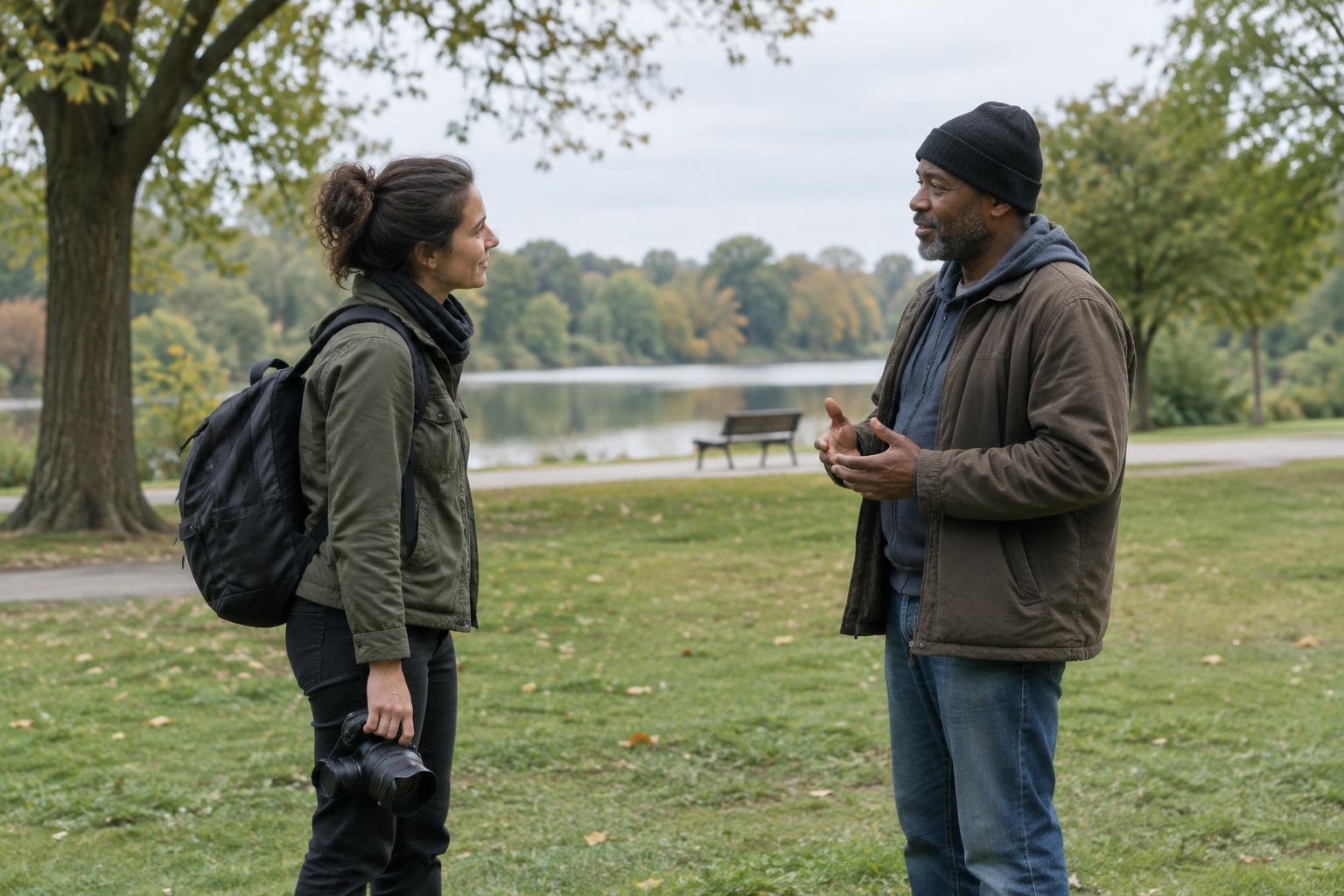
If a person is the clear subject of a photograph, especially in a private or sensitive moment, ask before making the image when you can. This gives them a genuine chance to decline. Introduce yourself, say what you are photographing, and leave room for an answer without raising the camera. In a home, workplace, shelter, or other space where access depends on trust, permission to enter should not be mistaken for each person’s agreement to be photographed.
Some documentary scenes unfold too quickly for an advance conversation. In a public setting, you may decide to photograph first and approach afterward, if doing so is safe and practical. Be prepared not to use the frame if the person objects or if publication would expose them to a risk they could not reasonably anticipate. A distant crowd scene may call for a different approach from an identifiable portrait, but visibility in public does not erase someone’s vulnerability.
Pause before photographing people in distress, receiving care, grieving, or dealing with a potential threat. An immediate image is not always worth taking. With children, seek appropriate permission from a parent or guardian and pay attention to the child’s own willingness to participate. If either signals discomfort, step back.
Make the request specific and understandable
A useful request answers four questions in ordinary language: Who are you? Why are you making these photographs? Where might they appear? What identifying details might accompany them? For example, explain whether the picture is for a small community project, a publication, an exhibition, or an online portfolio. Do not promise a limited audience if you cannot control how an image may be shared once published.
Ask in a language the person understands, and avoid treating silence, confusion, or pressure from others as agreement. A subject may feel obliged to say yes because you have been invited into their space or appear to hold authority. Give them time, make declining easy, and do not bargain for access to a difficult moment. If the intended use changes substantially, seek a new conversation when possible rather than assuming the first agreement covers everything.
Written permission can clarify an agreement for some projects, but a signature alone does not show that the person understood the request. Keep a simple record of what you explained and what they agreed to, using a method appropriate to the project and the sensitivity of the information. Avoid collecting more personal details than you need.
Respect boundaries during and after the shoot
Consent can have limits. Someone may agree to a portrait but not to photographs of their family, home, documents, or a particular event. Confirm those boundaries and watch for changes in comfort as you work. If a person asks you to stop, lower the camera. Do not turn a refusal into a candid picture of their refusal.
Before publishing, consider the image alongside its caption and surrounding story. A name, location, or small background detail may identify someone who expected privacy. Cropping or removing a name may reduce exposure, but it does not guarantee anonymity. Describe the scene accurately and avoid captions that assign feelings, motives, or circumstances you have not established.
Be clear about whether you can accommodate later requests to remove an image. You may be able to change a personal portfolio or an unpublished edit; you may not be able to retrieve copies already distributed. Explain those limits honestly rather than promising permanent control you cannot provide.
Build consent into the storytelling workflow
Plan time for conversations before, during, and after photographing. When reviewing an edit, ask whether each identifiable image serves the story and whether its use matches what the subject understood. Keep consent notes with the project materials so that a later editor does not have to guess which images carry restrictions.
Sometimes the responsible choice is to tell the story another way: photograph a place or object instead, wait for a less intrusive moment, or leave a scene undocumented. Consent is not an obstacle to documentary storytelling. It helps the photographer make deliberate images while taking seriously the lives that continue beyond the frame.