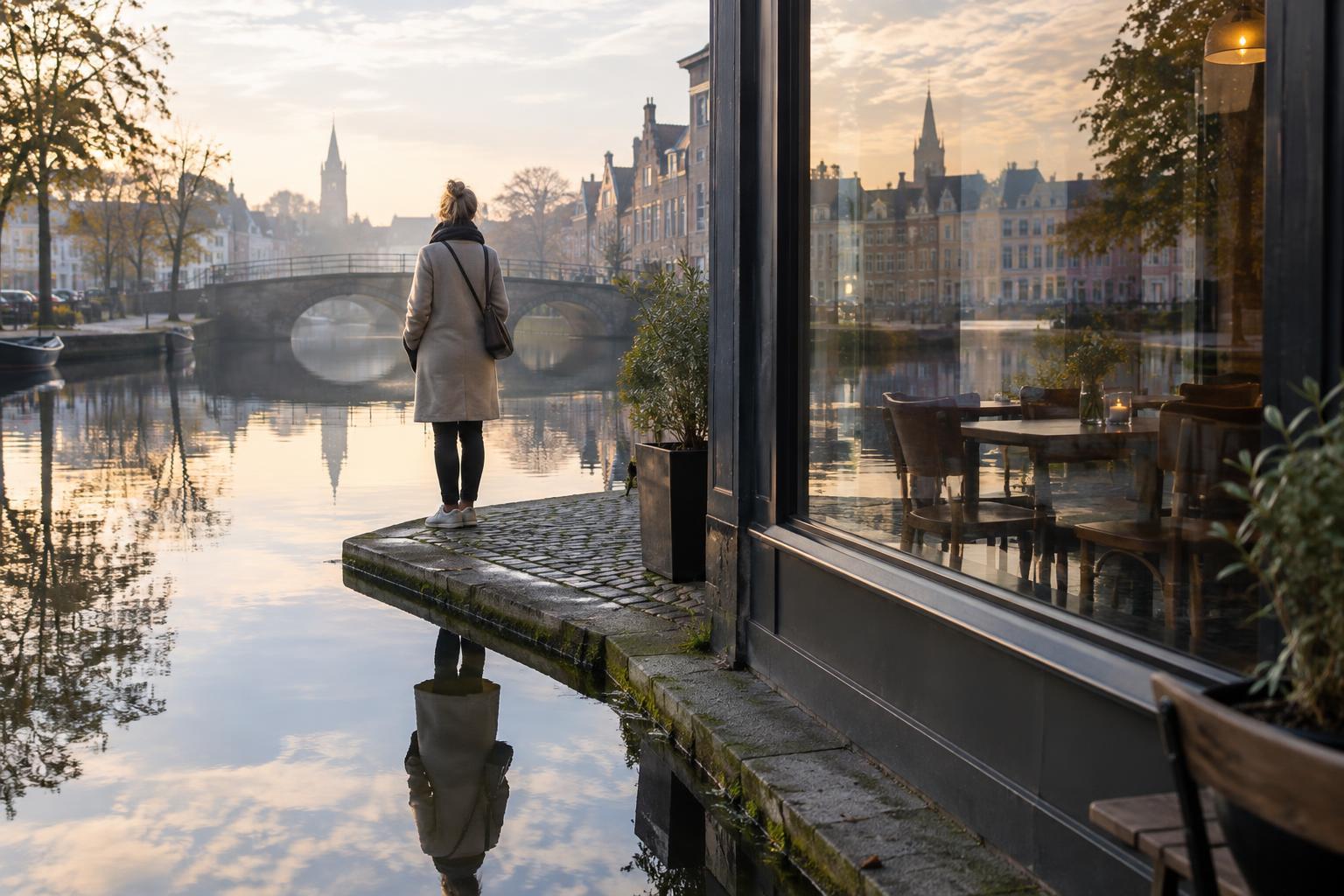
Composition and LightReflections can reveal a second view of a scene, but they can also make a photograph difficult to read. Learn how to choose a clear subject, control competing layers and use reflections with purpose.
Read article · 4 min↗
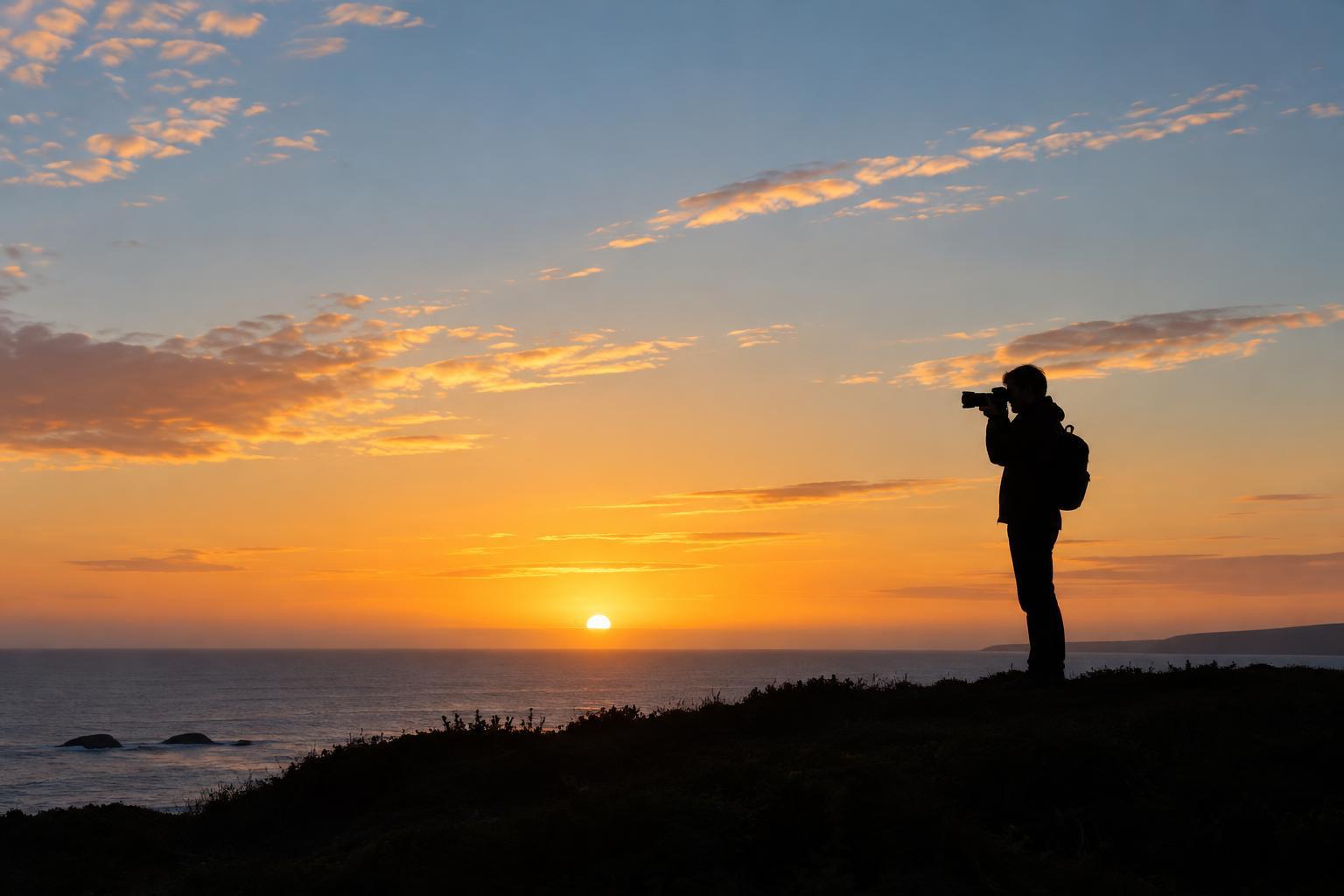
Composition and LightA strong silhouette depends on more than a bright sky. Learn how to choose a background, arrange recognizable shapes, expose for the light behind your subject, and edit without losing the image’s intent.
Read article · 4 min↗
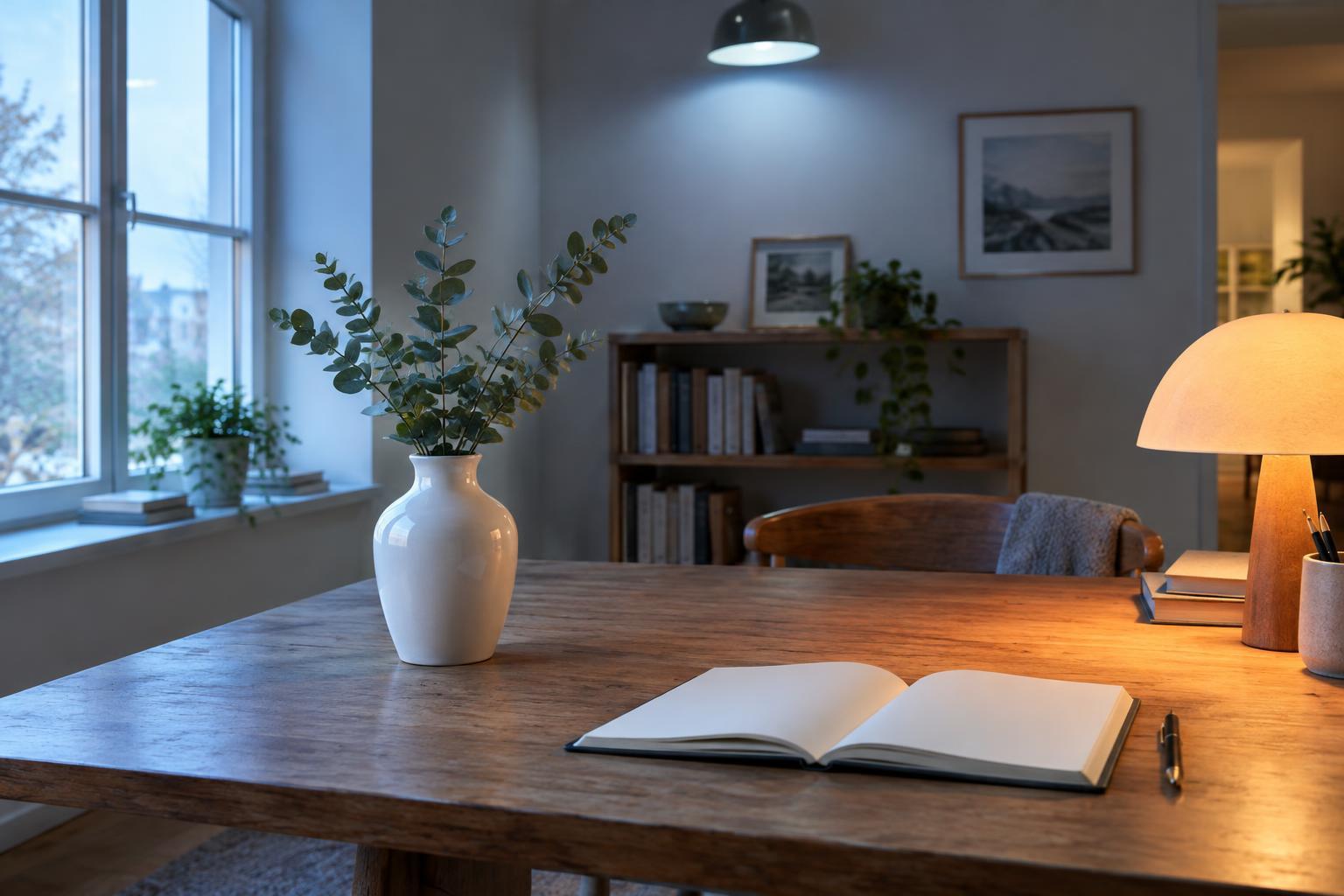
Composition and LightA room can contain daylight, warm lamps, and cool overhead lights at the same time. Learn how to recognize mixed lighting, choose a useful white balance, simplify competing light sources, and correct color casts without erasing the atmosphere of a scene.
Read article · 4 min↗
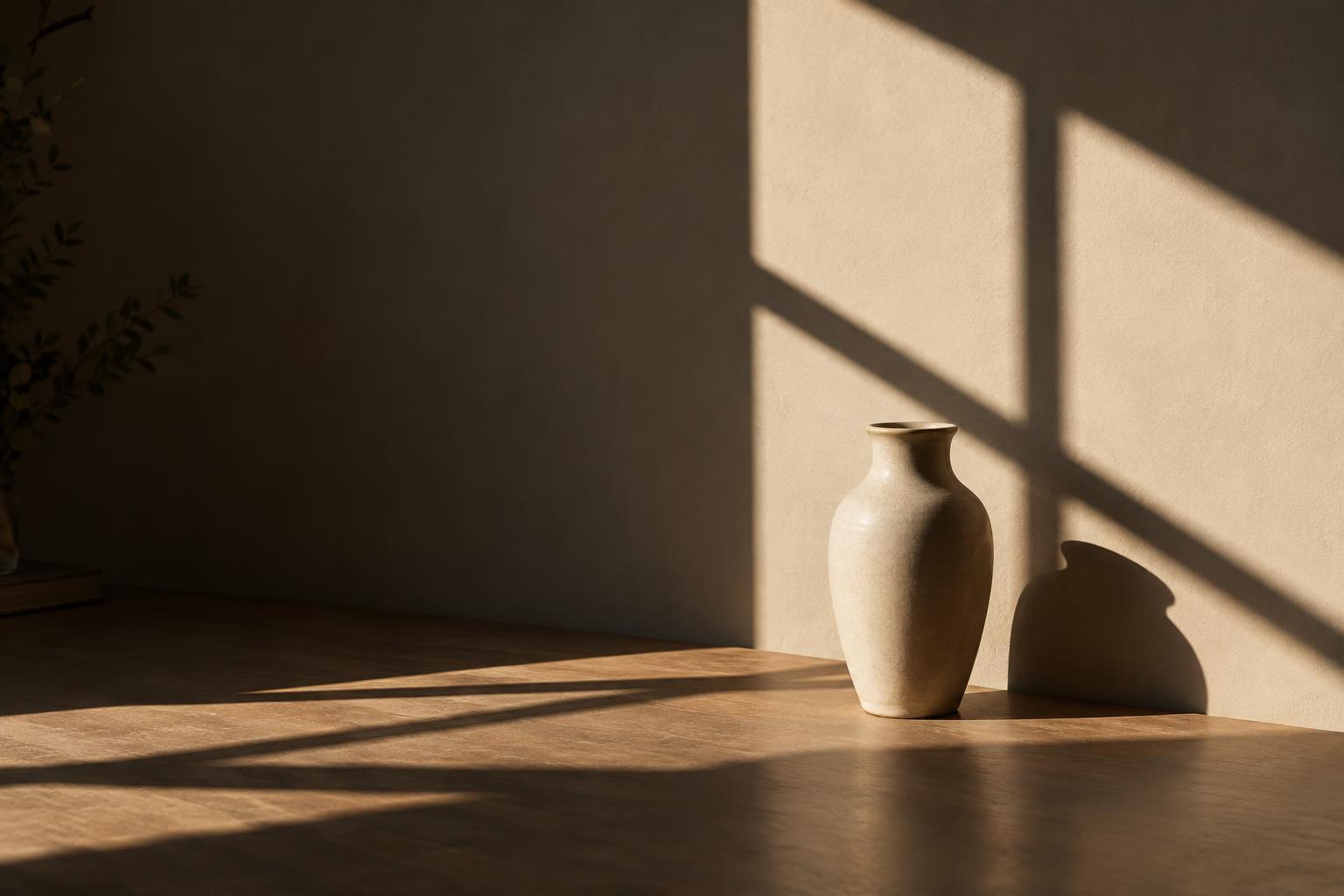
Composition and LightA shadow can frame a subject, guide the eye, create rhythm or leave part of a story unresolved. Learn to see its outline and placement before deciding whether to brighten it.
Read article · 3 min↗
Composition and LightA reflector does not create light; it redirects light already in the scene. Learn how to use a simple panel, wall, or sheet of paper to soften shadows while keeping the image natural and the lighting intentional.
Read article · 4 min↗

Composition and LightOpen shade and direct sun can make the same subject look strikingly different. Learn how each affects contrast, color and mood, and how to choose a position that serves the photograph.
Read article · 4 min↗
Composition and LightA window can provide soft, directional light without extra equipment. Learn how a subject’s position and angle affect shadows, backgrounds, exposure and mood—and how to adjust when the daylight changes.
Read article · 4 min↗

Composition and LightThe difference between hard and soft light is easiest to see at the edge of a shadow. Learn what creates each look, how to identify it in a scene, and how to choose lighting that supports your subject and story.
Read article · 4 min↗

Composition and LightLight direction changes more than brightness. Learn how front, side and back lighting affect shape, texture, separation and mood, then use a simple exercise to compare them in your own photographs.
Read article · 4 min↗

Composition and LightA familiar object can help viewers understand the size of a landscape, structure, or small detail. Learn how to choose a useful reference, place it in the frame, and avoid misleading comparisons.
Read article · 4 min↗
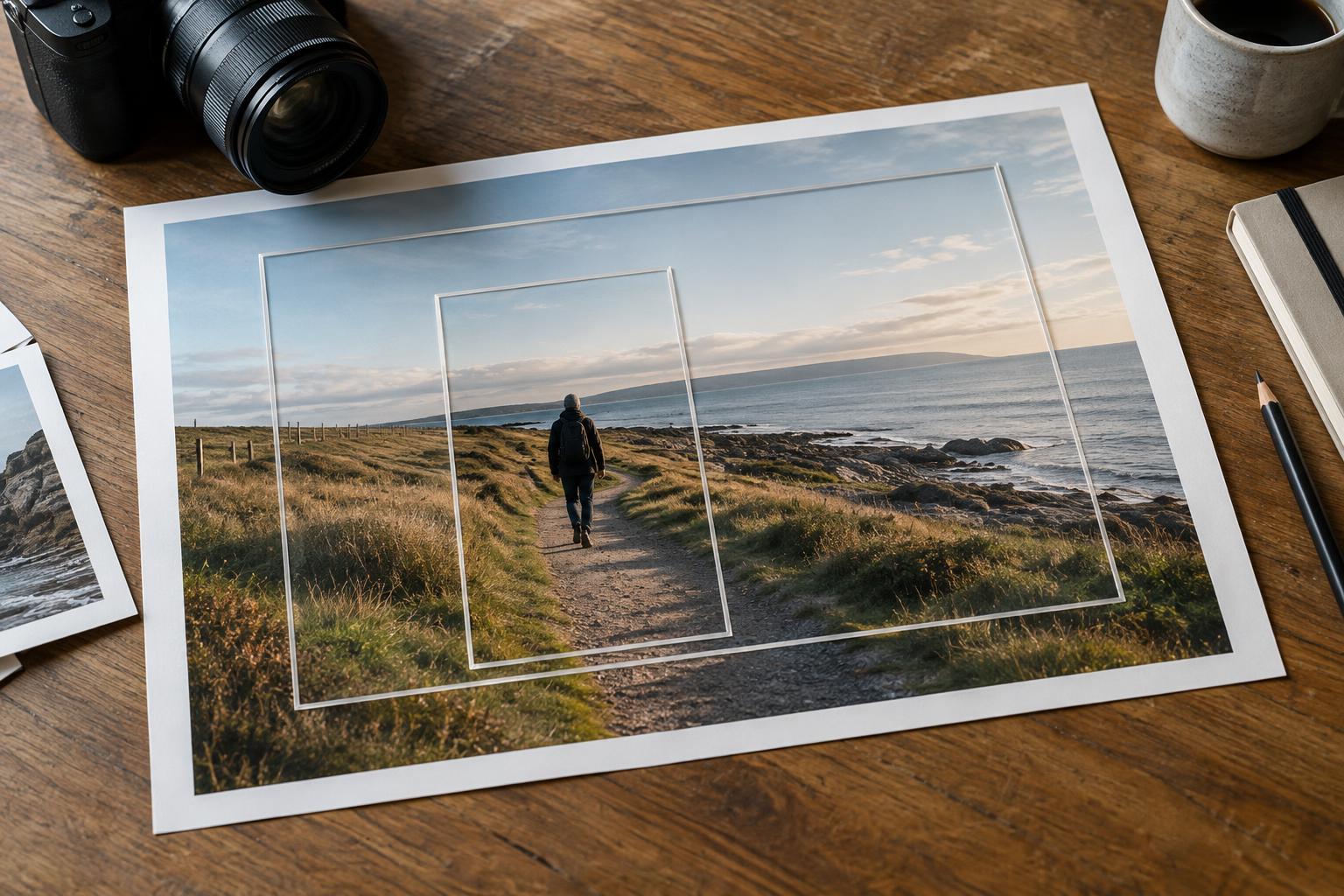
Composition and LightA crop can strengthen a photograph, but it also changes the relationship between the subject and everything around it. Learn how aspect ratios affect composition, context, and the way viewers interpret an image.
Read article · 4 min↗

Composition and LightWhy does a small bright object sometimes command more attention than a large subject? Learn how brightness, color, size and placement shape visual weight, and how to use them to make photographs feel clear and balanced.
Read article · 4 min↗

Composition and LightRepeated shapes, colors, and spaces give the eye a rhythm to follow. A single difference can interrupt that rhythm and become the subject of a photograph. Learn how to find patterns, make a break visible, and keep the composition honest.
Read article · 4 min↗
Composition and LightA strong subject can be weakened by a distracting background or an awkward crop. Learn a quick, repeatable way to scan the whole frame, make small adjustments, and keep important visual context intact.
Read article · 4 min↗
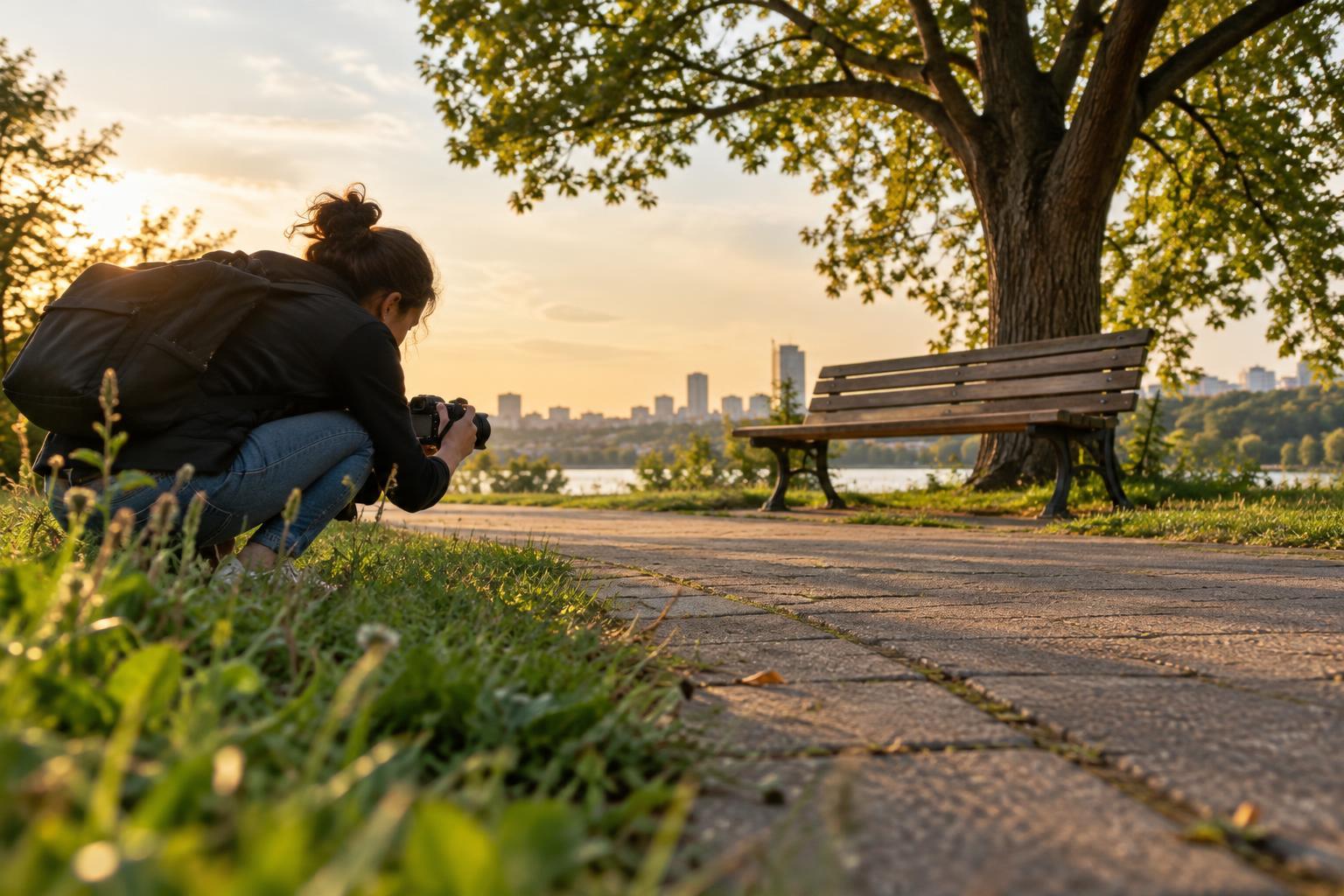
Composition and LightMoving a camera up, down, or to the side can change what a photograph emphasizes before you adjust a single setting. Learn how viewpoint affects perspective, backgrounds, visual relationships, and the way viewers interpret a scene.
Read article · 4 min↗

Composition and LightA landscape can feel unsettled when its horizon tilts or divides the frame without a clear purpose. Learn how to choose a horizon position, check the level accurately, and make careful corrections while shooting or editing.
Read article · 4 min↗

Composition and LightA doorway, window or overhanging branch can give a photograph structure and guide attention toward its subject. Learn how to choose a useful foreground frame, balance it with light and context, and decide when to leave it out.
Read article · 4 min↗
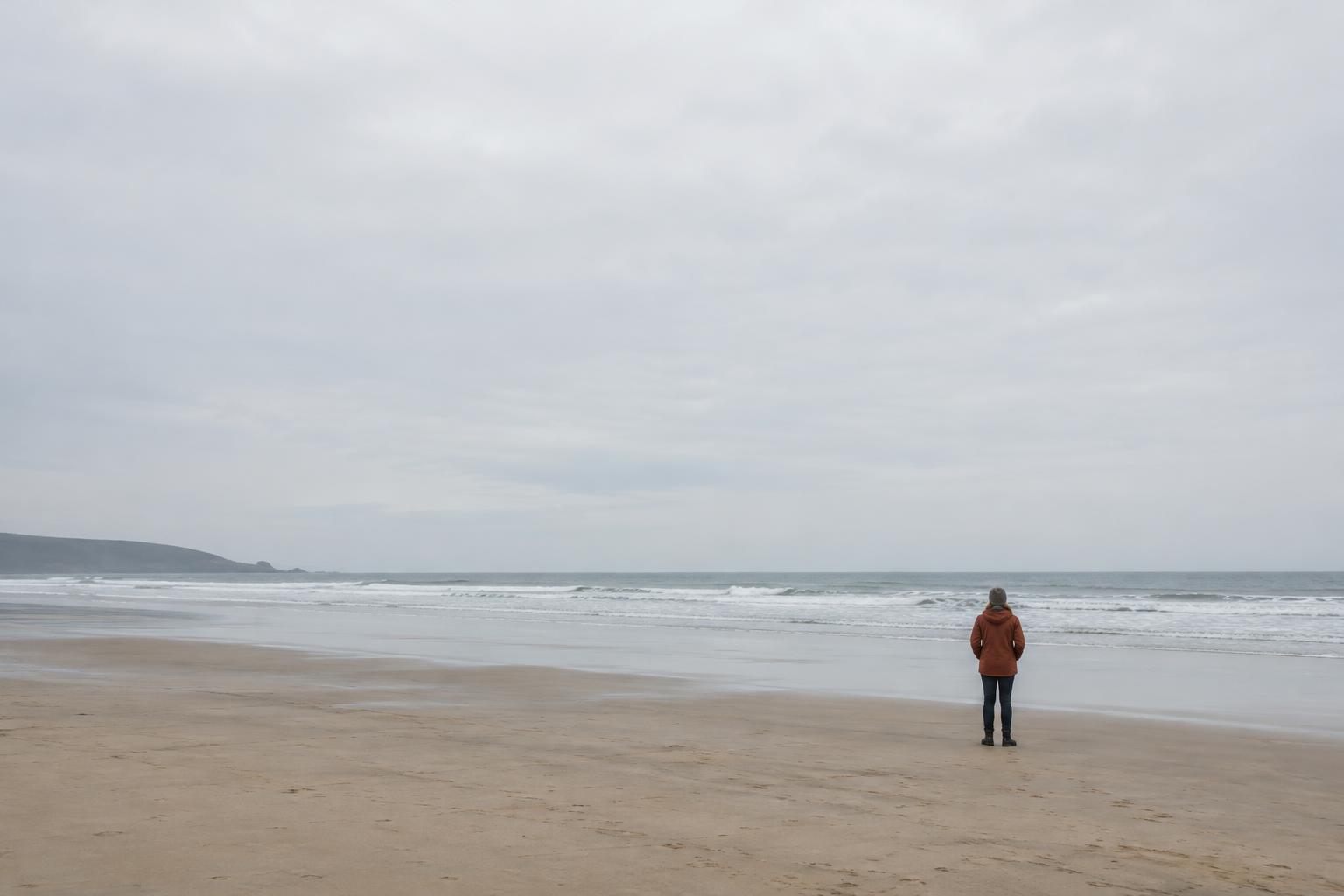
Composition and LightNegative space is more than an empty background. Learn how to use it to make a subject easier to find, establish mood, and leave room for the context a photograph needs.
Read article · 4 min↗

Composition and LightA photograph is flat, but its arrangement can suggest a space the viewer could enter. Learn how to use foreground, middle ground and background to create depth while keeping your subject clear.
Read article · 4 min↗

Composition and LightLeading lines can give a photograph direction, but a strong line is not automatically a strong composition. Learn how to find lines, place your subject, use light and framing, and check whether the viewer’s eye arrives where you intended.
Read article · 4 min↗

Composition and LightThe rule of thirds and centered composition offer different ways to direct attention. Learn when an off-center subject adds context or movement, when the center creates clarity or symmetry, and how to choose a placement that serves the story.
Read article · 4 min↗