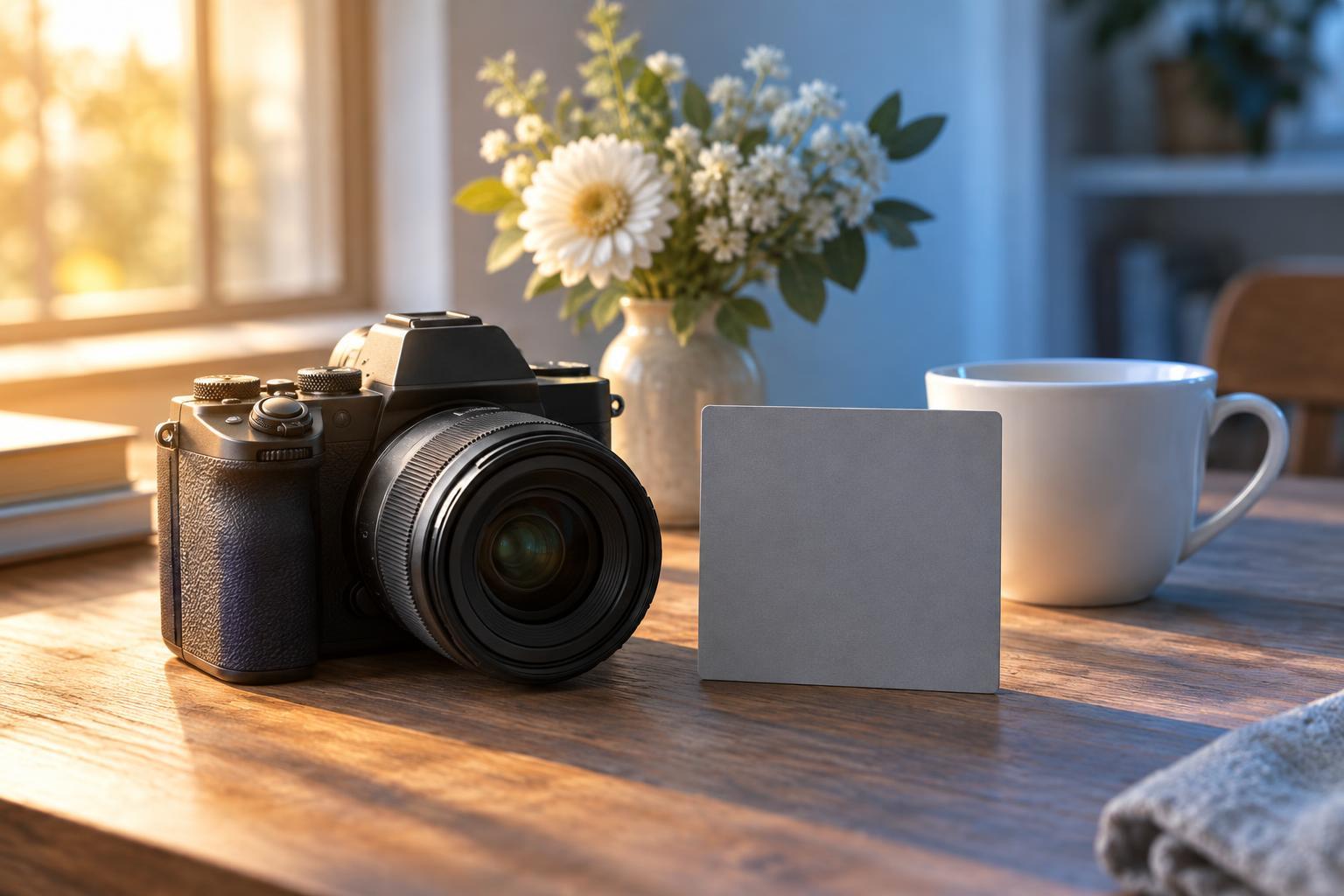
Photography FundamentalsWhite balance helps a camera interpret the color of light. Learn how automatic, preset and custom settings affect an image, and when to keep a warm or cool cast instead of correcting it.
Read article · 3 min↗
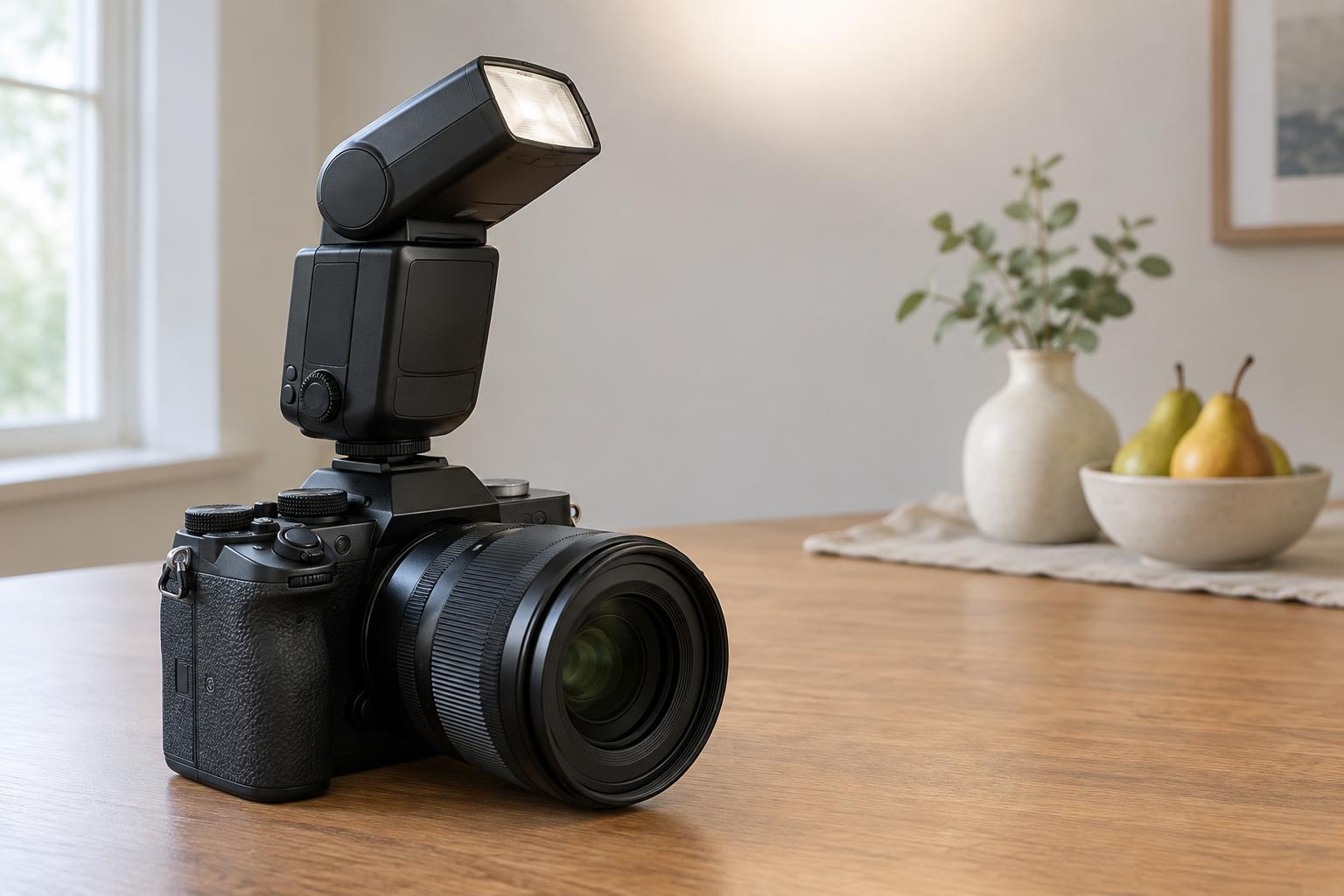
Photography FundamentalsA hot-shoe flash can add light to a dim room, soften harsh shadows or help separate a subject from the background. Learn how TTL and manual power differ, why sync speed matters and how to make a simple first exposure.
Read article · 4 min↗
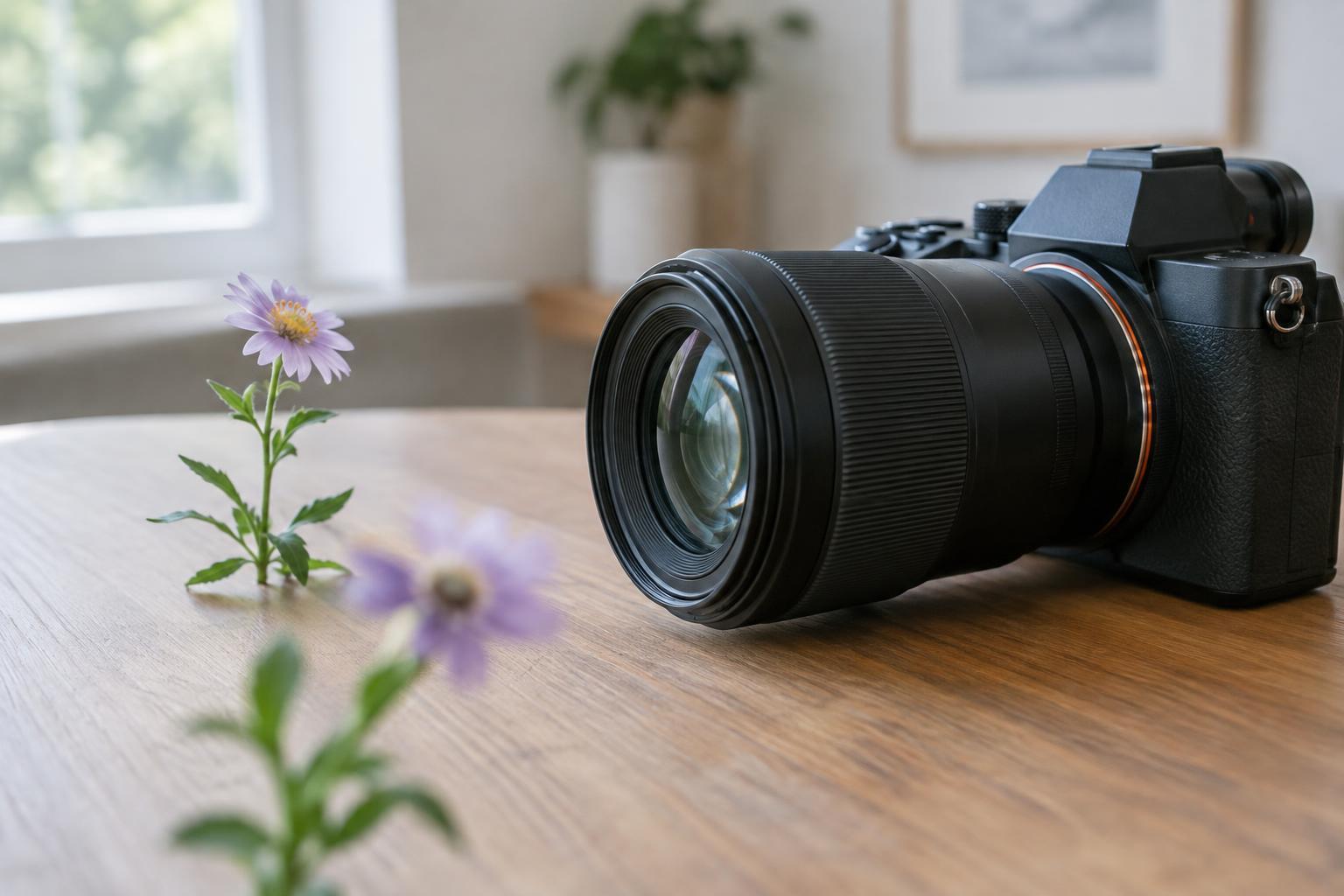
Photography FundamentalsA subject can fill your viewfinder and still be too close for the lens to focus. Learn what minimum focusing distance means, why it differs from working distance, and how to make a sharp close-up without fighting the camera.
Read article · 4 min↗
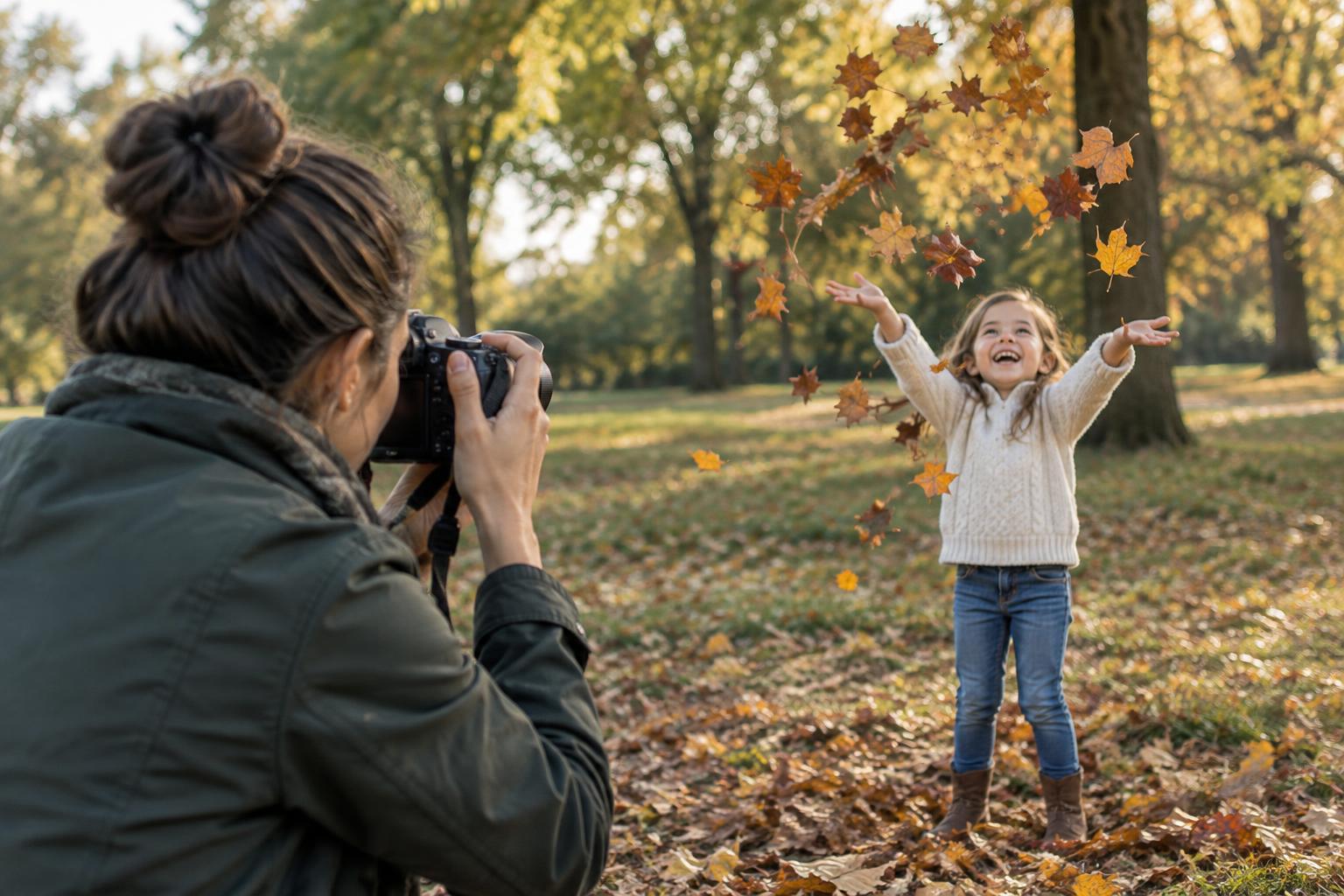
Photography FundamentalsOne press of the shutter can give you time to compose, while a short burst can help you catch a fleeting expression or gesture. Learn how to choose between the two approaches, what burst mode cannot fix, and how to keep the resulting images manageable.
Read article · 4 min↗
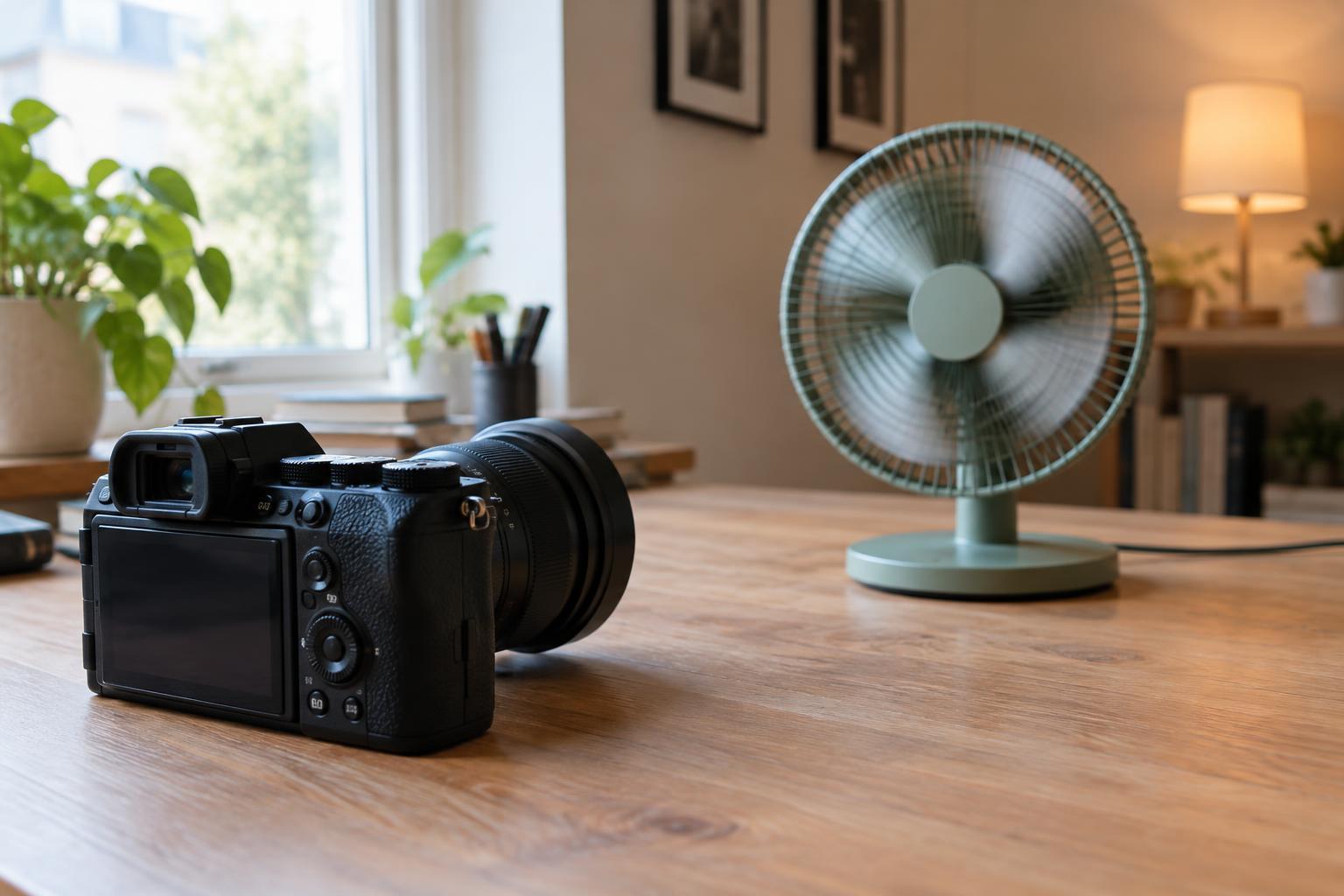
Photography FundamentalsA quiet shutter is useful, but silence is only one part of the choice. Learn how mechanical and electronic shutters expose a frame, why moving subjects can look distorted, and when each mode is worth trying.
Read article · 4 min↗
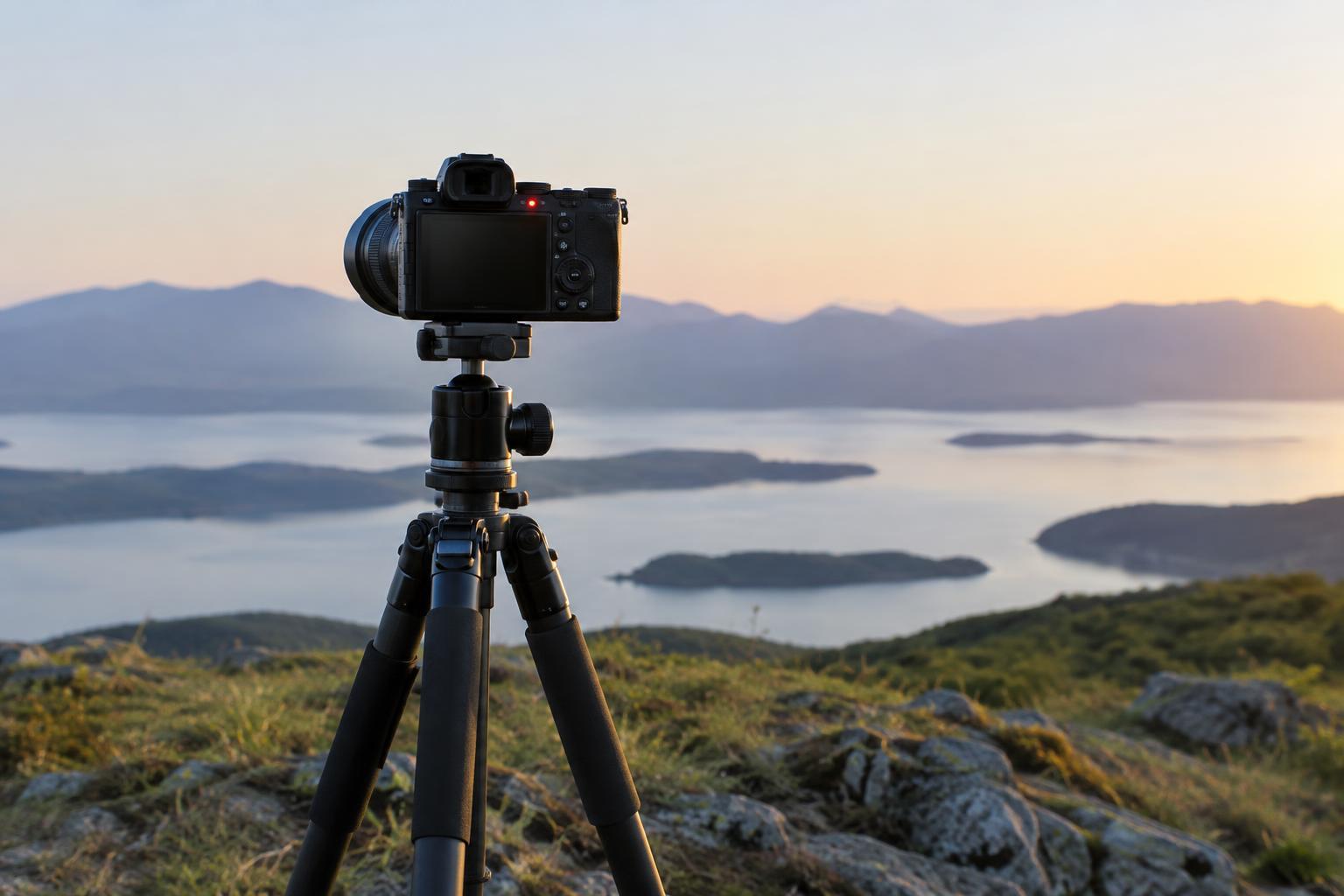
Photography FundamentalsA tripod steadies the camera, but pressing the shutter can still cause movement. Learn how to set up a stable support, use a self-timer effectively, and tell camera shake apart from subject motion.
Read article · 4 min↗
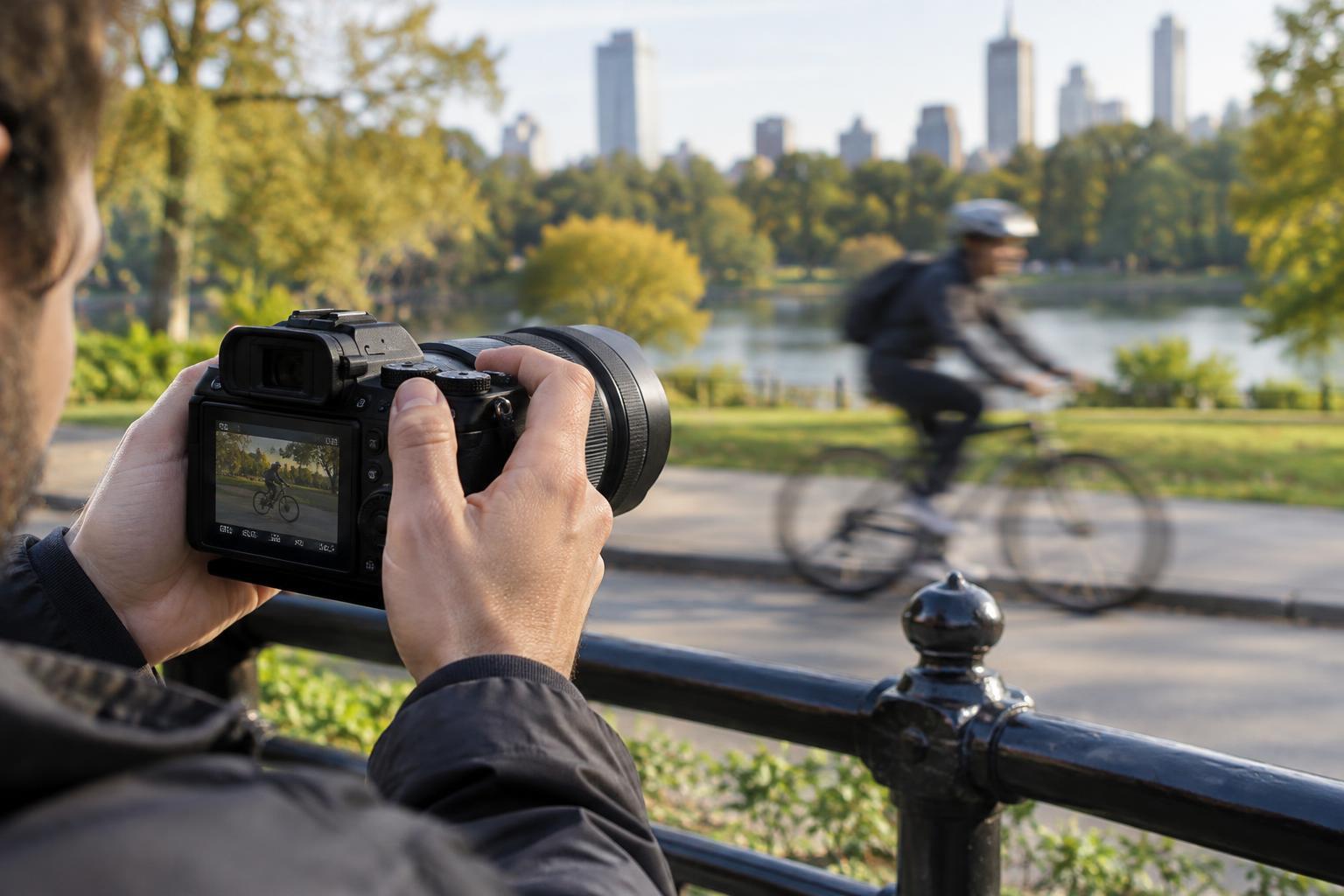
Photography FundamentalsImage stabilization helps reduce blur caused by camera movement, but it cannot freeze a moving subject or fix missed focus. Learn how different systems work, when they help, and how to judge what caused a soft photograph.
Read article · 4 min↗
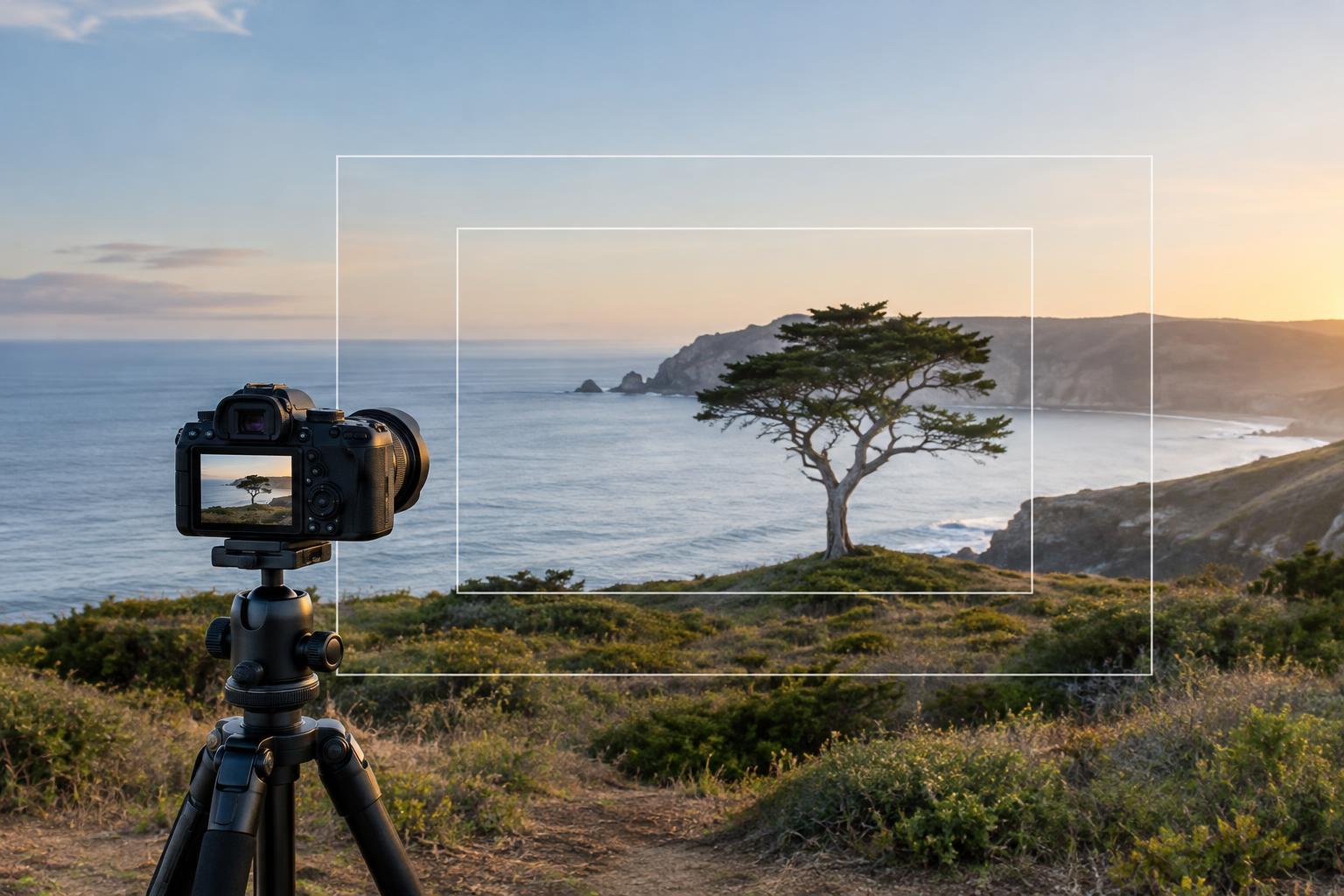
Photography FundamentalsA smaller sensor does not change a lens’s focal length, but it can change how much of a scene appears in the frame. Learn how crop factor helps compare fields of view, why camera position matters more to perspective, and how to choose a lens for the picture you want.
Read article · 4 min↗
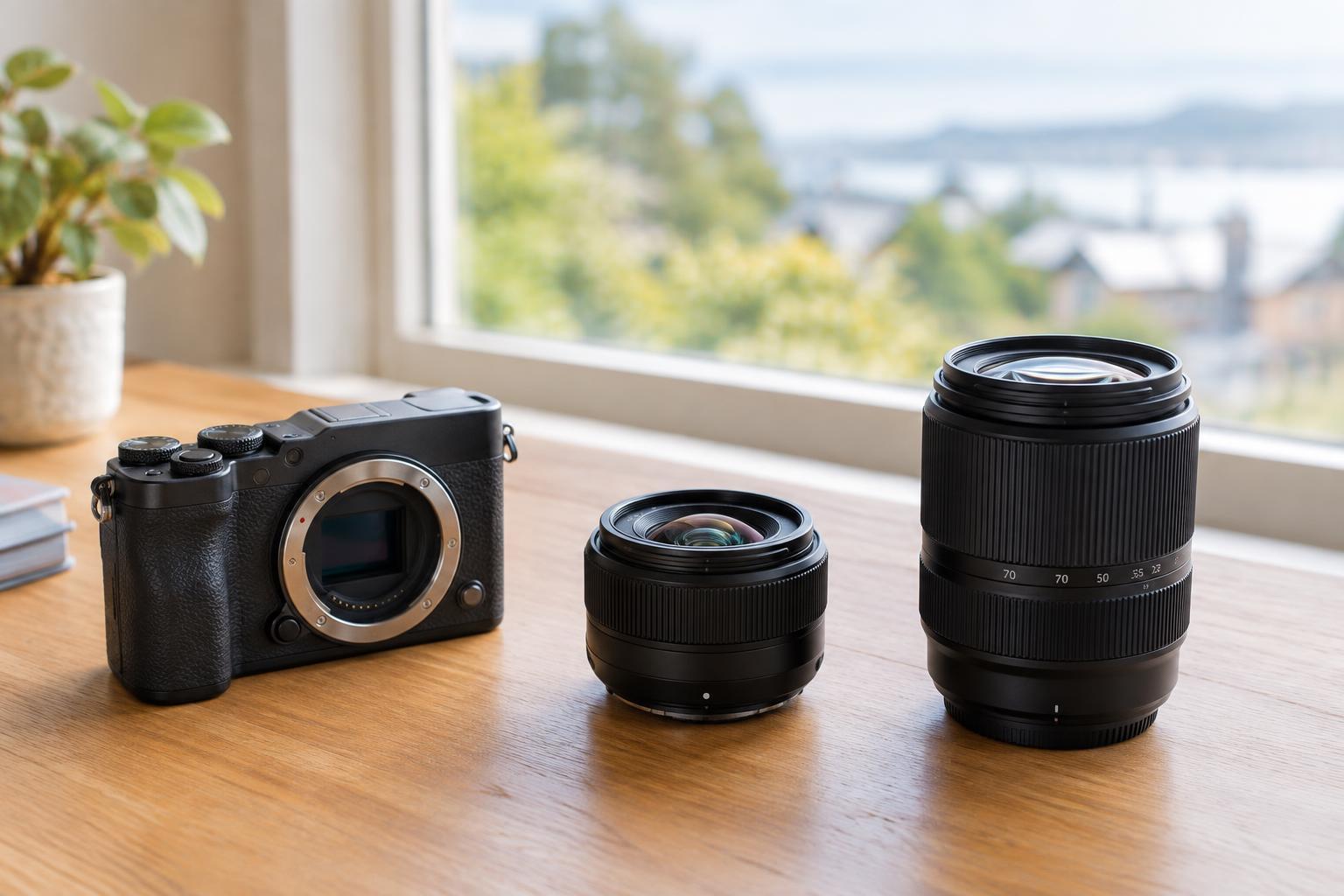
Photography FundamentalsPrime lenses offer one focal length; zoom lenses offer a range. Learn how each affects framing, movement, low-light shooting and everyday practice, so you can choose based on the photographs you want to make.
Read article · 4 min↗
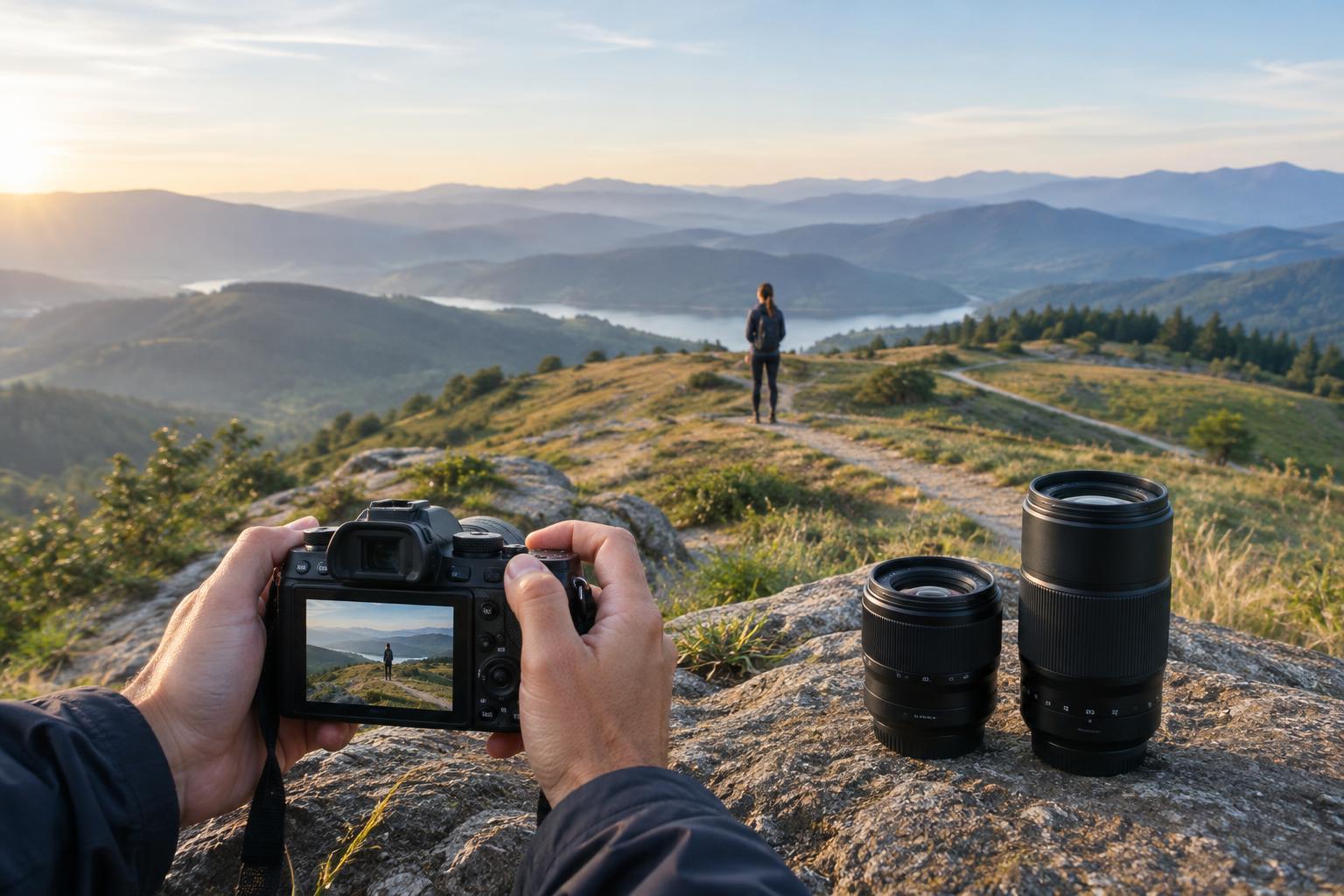
Photography FundamentalsFocal length helps determine how much of a scene fits in a photograph, but sensor size and camera position matter too. Learn how to use these choices to frame a subject and tell a clearer visual story.
Read article · 4 min↗

Photography FundamentalsDepth of field describes how much of a photograph appears acceptably sharp in front of and behind the point of focus. Learn how aperture, subject distance and focal length interact, and how to use them deliberately rather than relying on a single camera setting.
Read article · 4 min↗
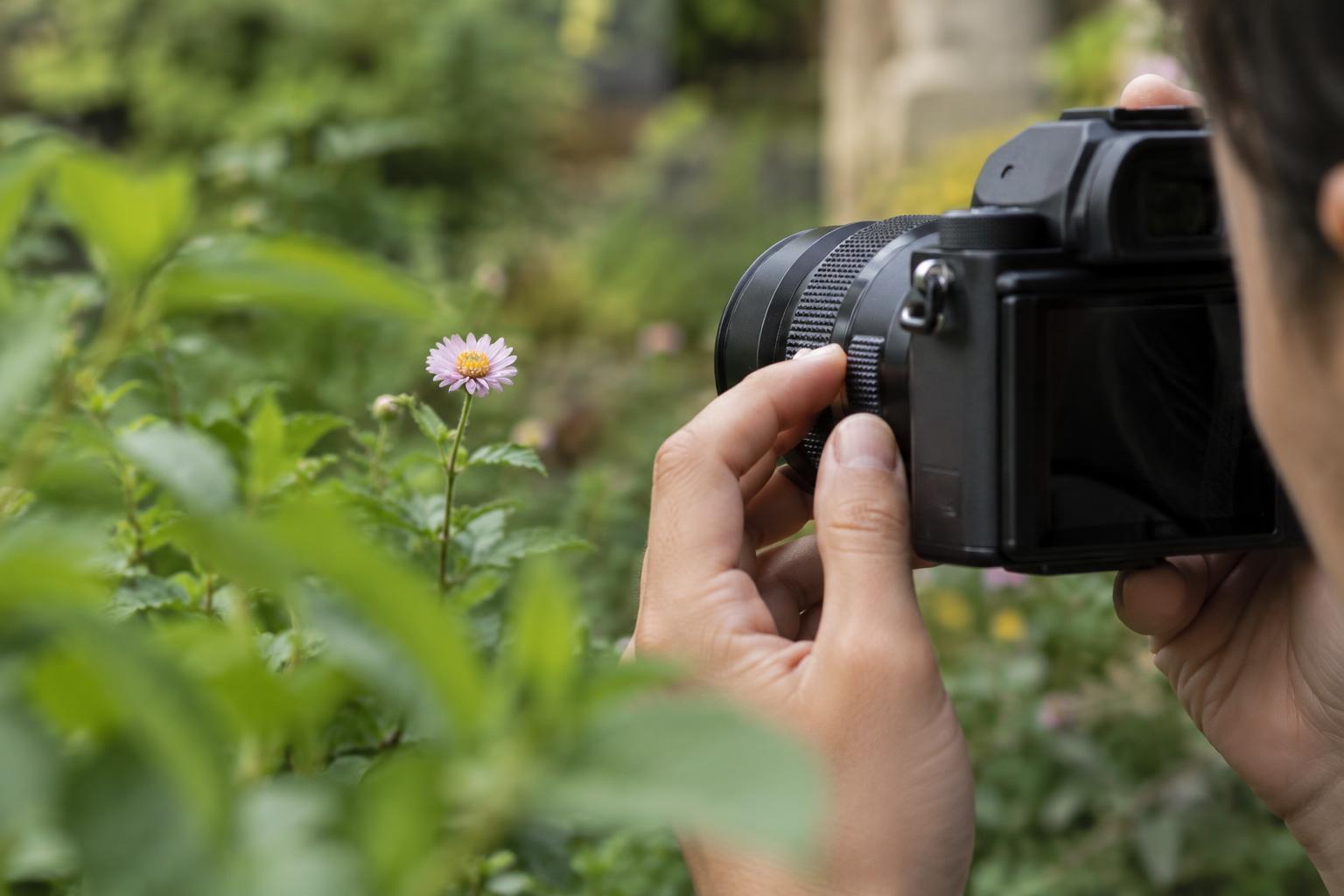
Photography FundamentalsAutofocus is useful, but it does not always choose the part of a scene you want sharp. Learn when manual focus helps, how to set it accurately, and how to check the result before you move on.
Read article · 4 min↗
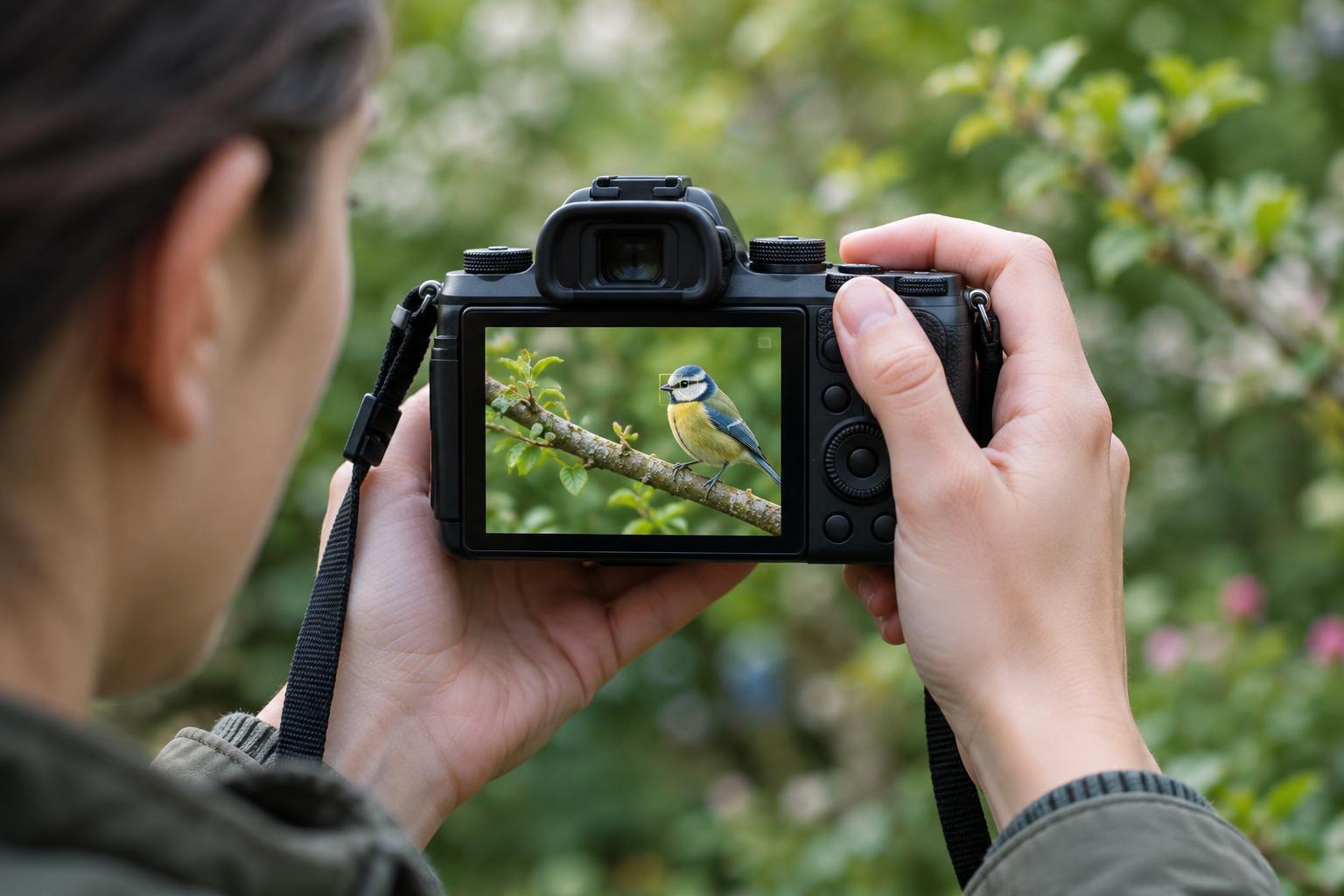
Photography FundamentalsAutofocus works best when you tell the camera what matters. Learn how to place a focus point, choose between single-point and tracking modes, handle off-center subjects, and check whether the result is actually sharp.
Read article · 4 min↗
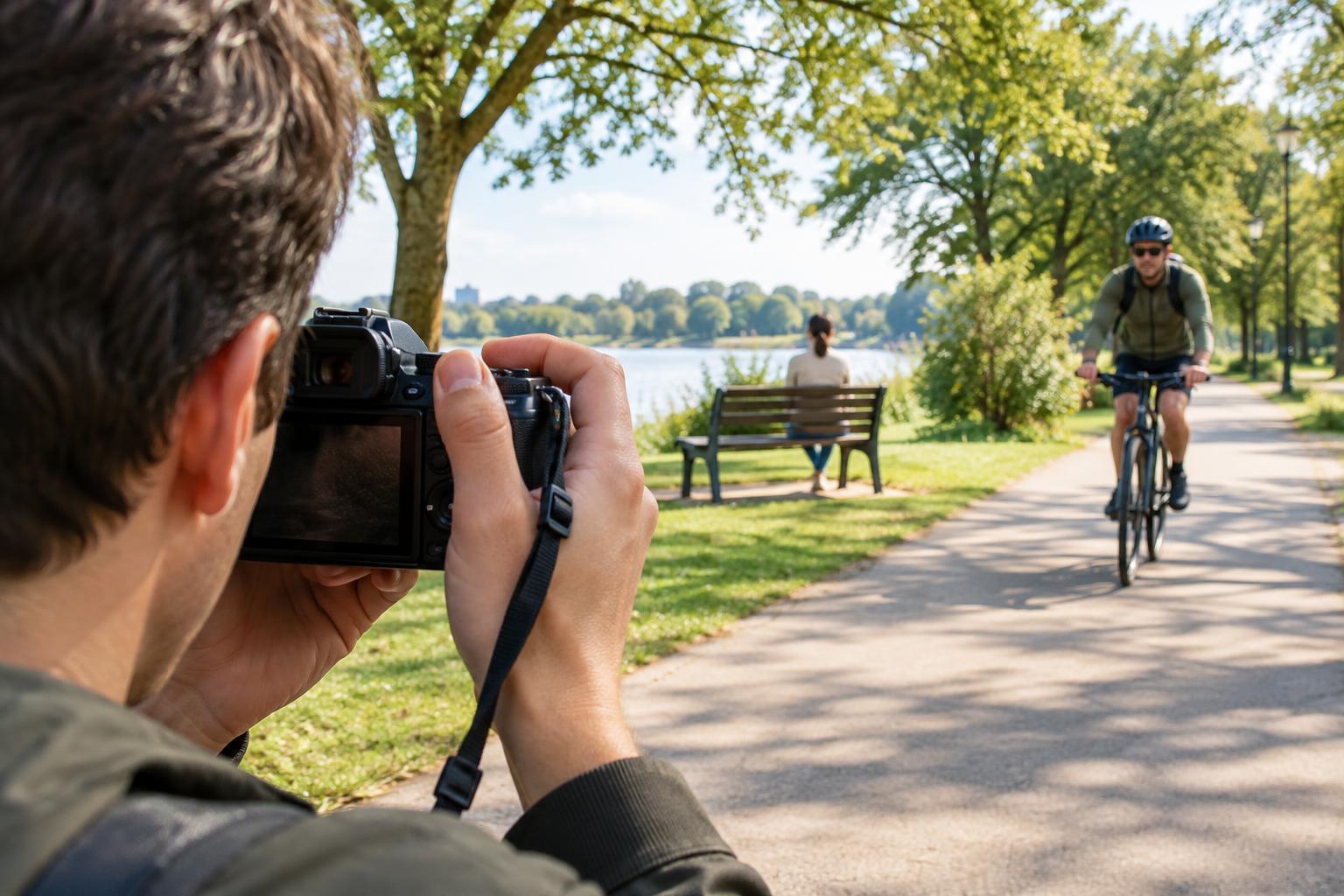
Photography FundamentalsSingle autofocus locks focus for a subject that stays put; continuous autofocus keeps adjusting as a subject moves. Learn when to use each mode, how focus areas affect the result, and what to check when a photograph looks soft.
Read article · 4 min↗
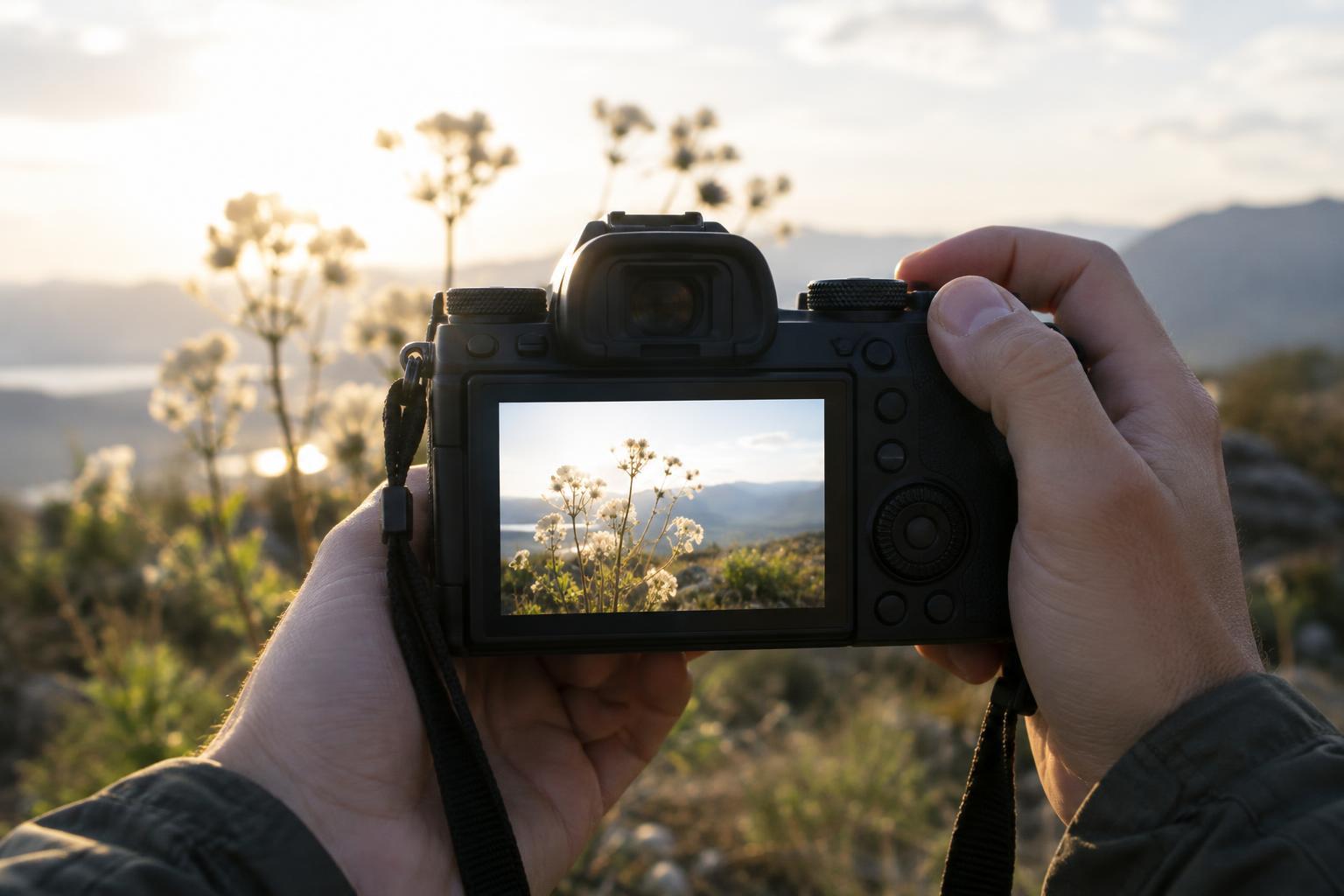
Photography FundamentalsExposure compensation lets you make an image brighter or darker while your camera continues to set the exposure. Learn when to use it, how it behaves in different shooting modes, and how to check the result.
Read article · 4 min↗
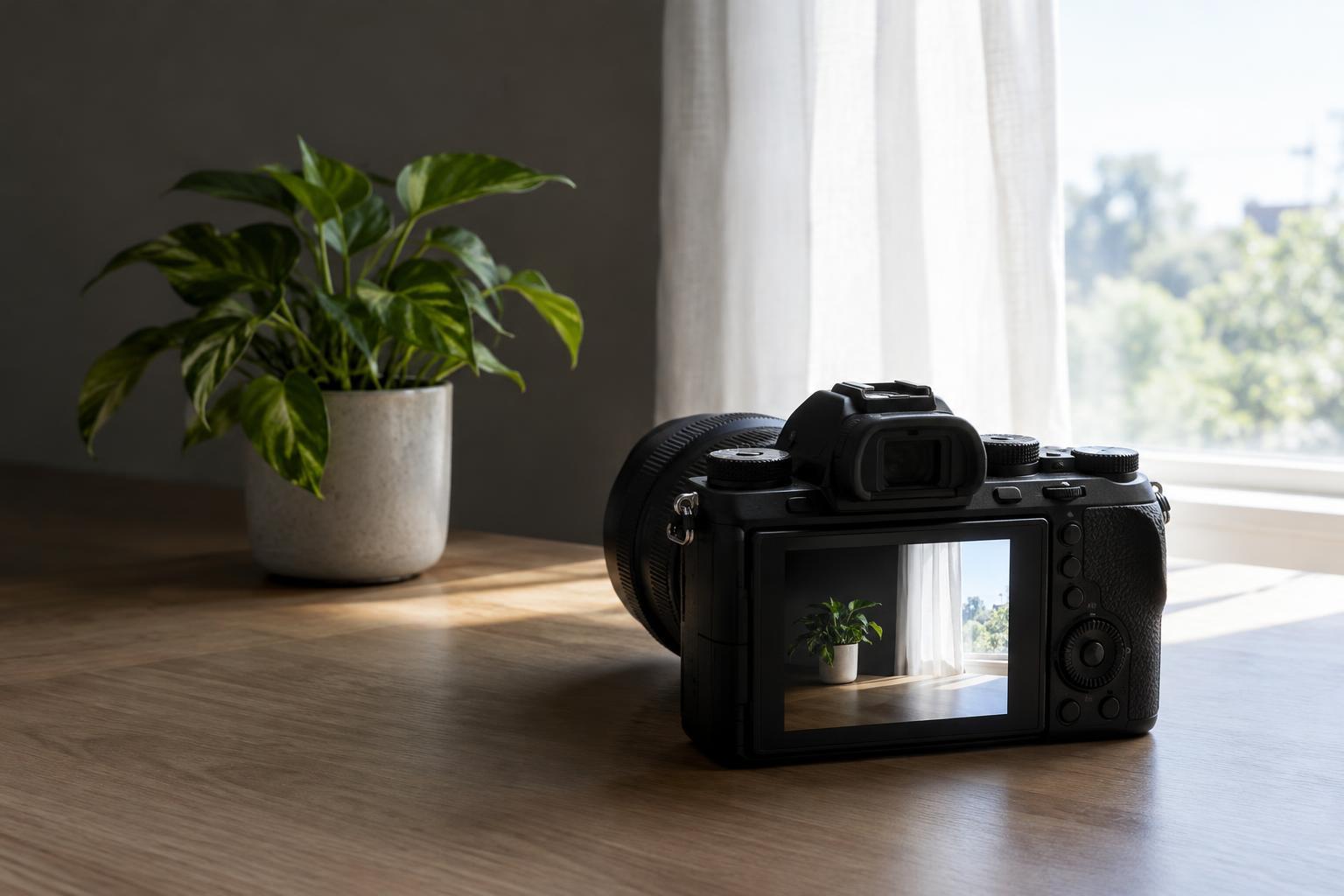
Photography FundamentalsA camera meter estimates exposure from the light reflected by a scene, but it cannot know which parts of the image matter most to you. Learn how common metering modes work, when they can be useful, and how to check and adjust the result.
Read article · 5 min↗
Photography FundamentalsExposure modes are different ways to divide decisions between you and your camera. Learn what each mode controls, when it helps, and how to choose one based on the photograph you want to make.
Read article · 4 min↗
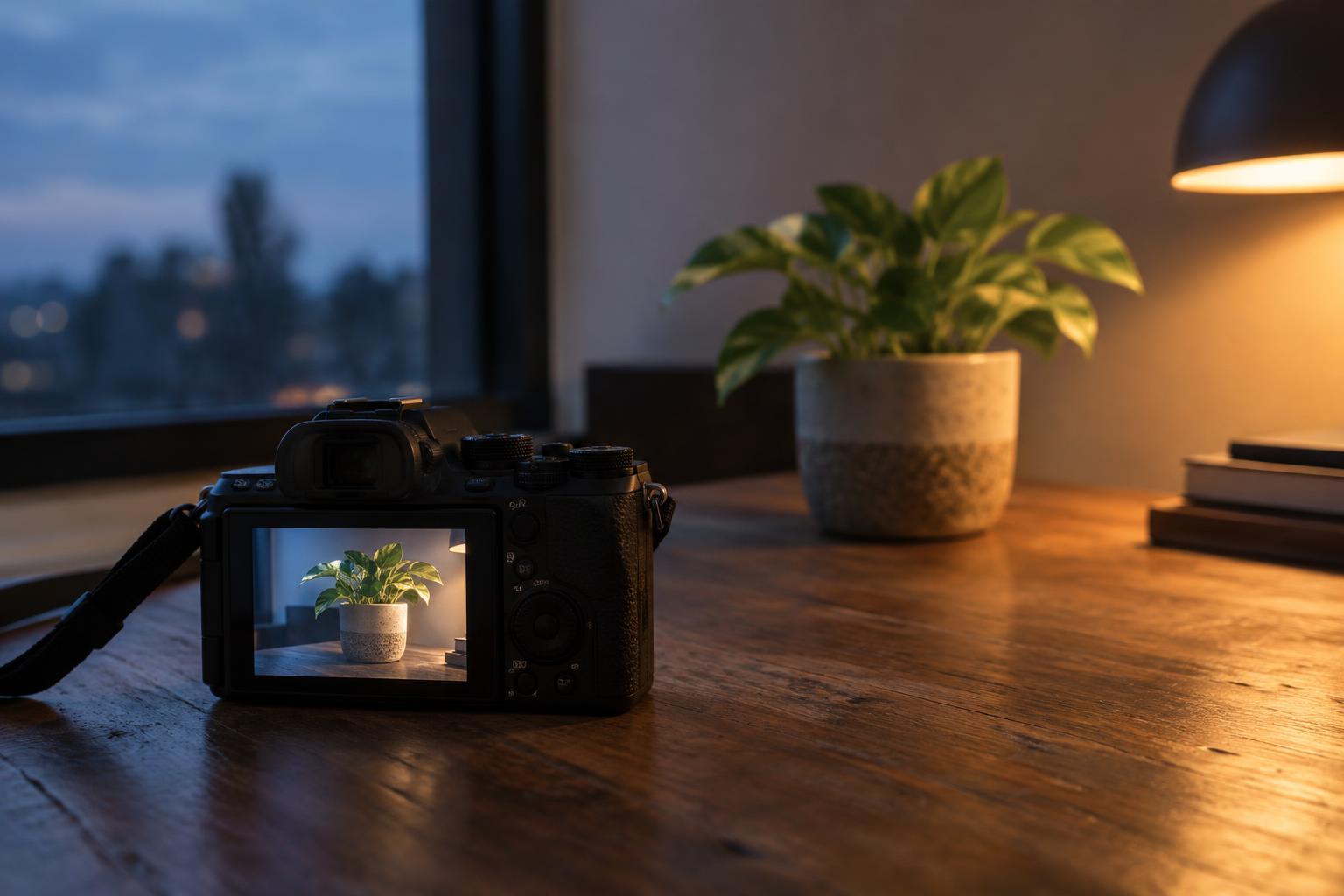
Photography FundamentalsISO can make a photograph brighter, but it cannot create more light. Learn how ISO relates to shutter speed, aperture, image noise and highlight detail, and when raising it is the right choice.
Read article · 4 min↗

Photography FundamentalsShutter speed controls how long the camera gathers light. Learn how to choose a starting speed for moving subjects, avoid unwanted camera shake, and use blur deliberately to tell a clearer visual story.
Read article · 4 min↗
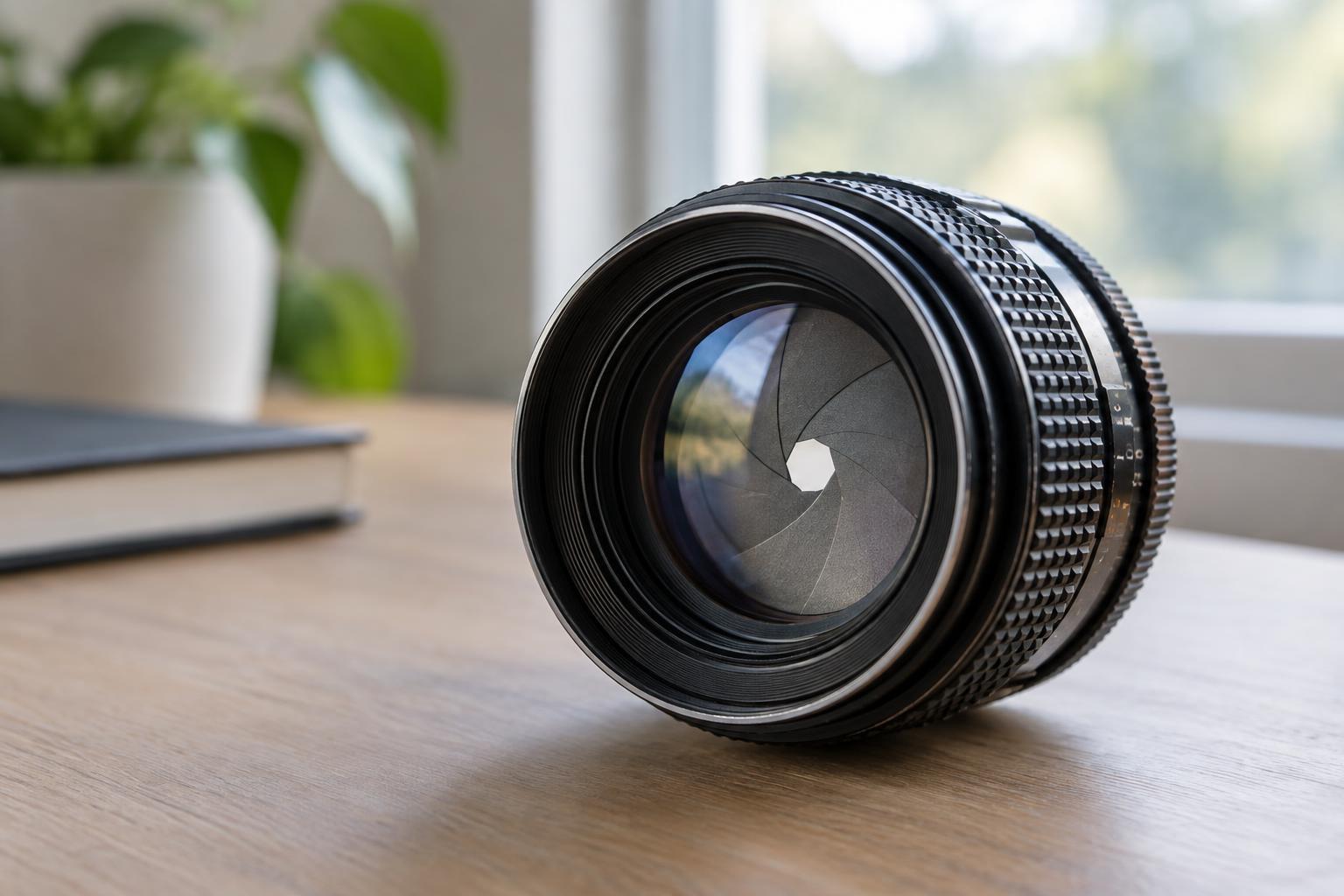
Photography FundamentalsAn f-number tells you how wide a lens aperture is relative to its focal length. Learn why smaller numbers mean wider openings, how aperture affects exposure and depth of field, and how to put those settings to work.
Read article · 4 min↗
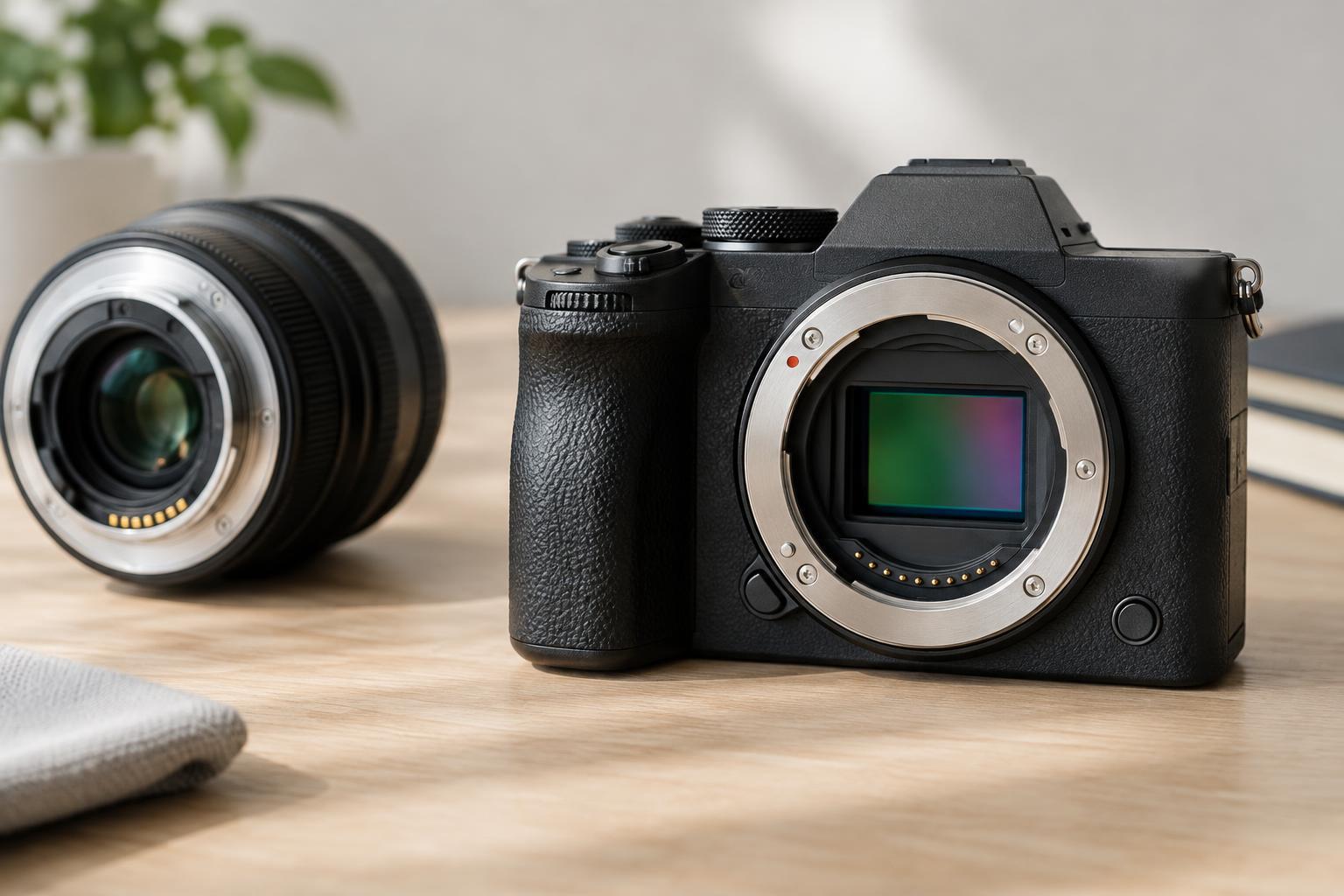
Photography FundamentalsA camera sensor does more than record light. Learn how its light-sensitive sites collect a signal, how the camera turns that signal into an image, and why exposure, ISO, color and noise affect the result.
Read article · 4 min↗