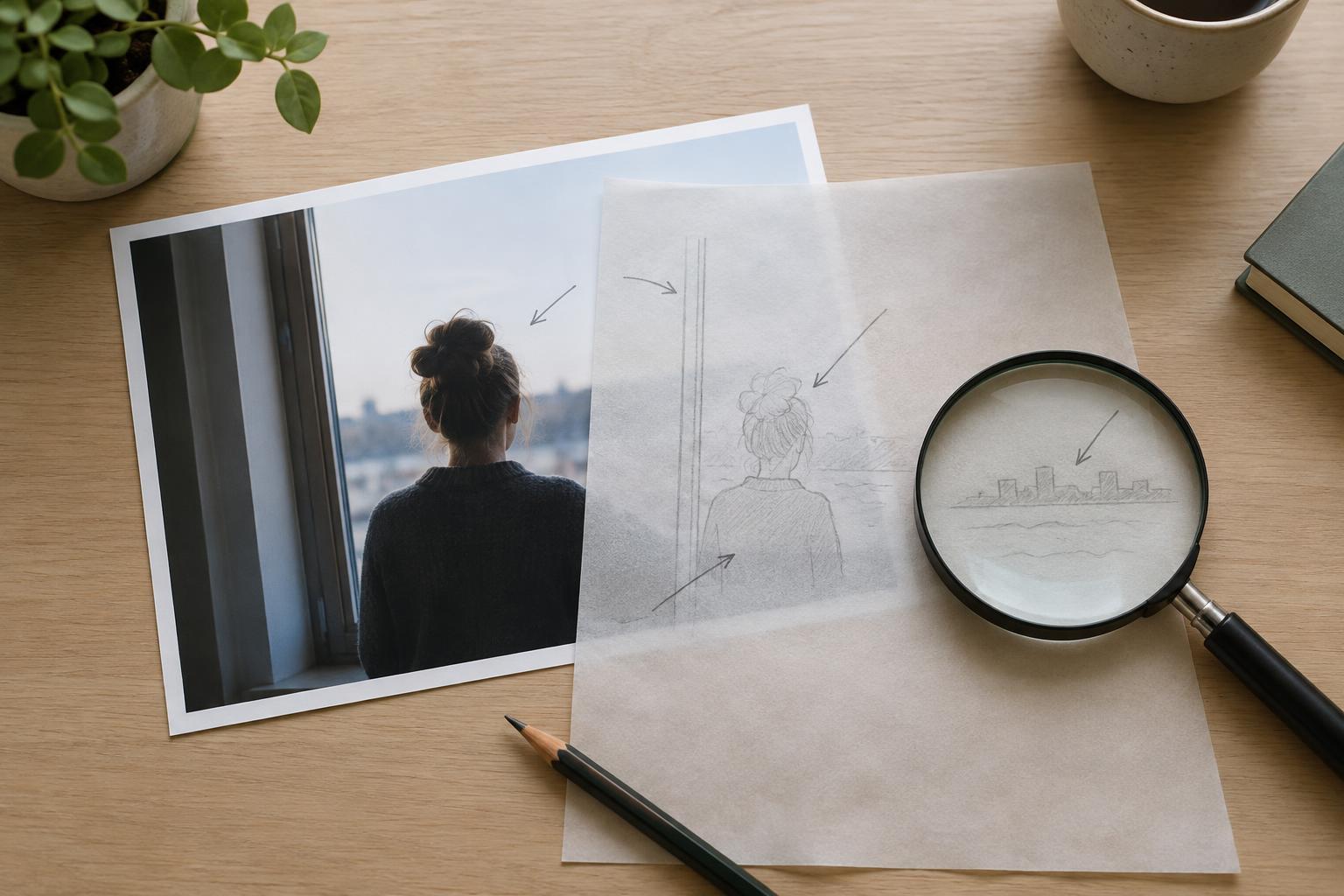
Media LiteracyAlt text makes images more accessible, but it can also shape what readers believe an image shows. Learn to separate visible details from assumptions about identity, emotion, location and events, then revise descriptions so they are useful without claiming more than the evidence supports.
Read article · 4 min↗
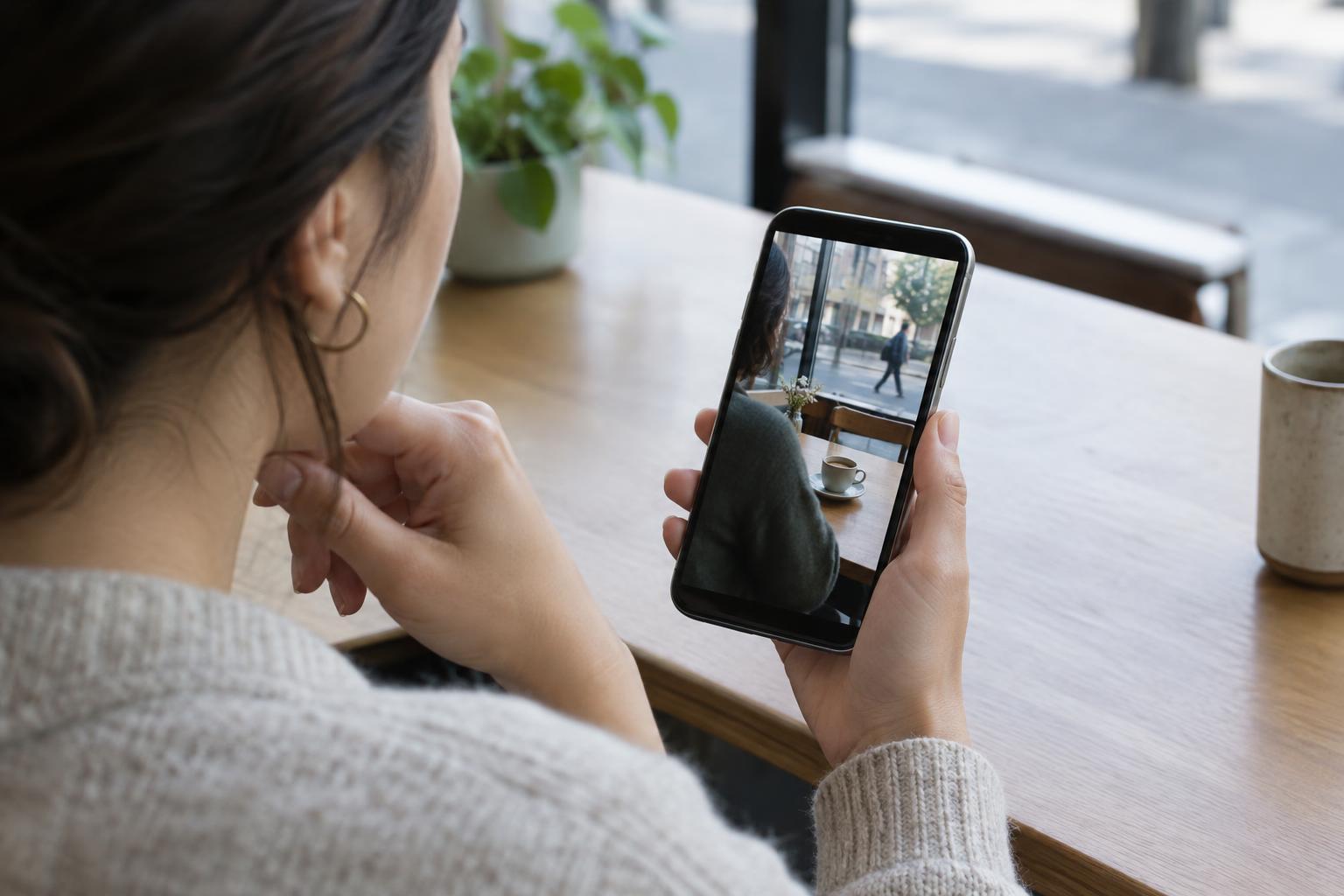
Media LiteracyA photo can reveal more than its subject. Learn how to check backgrounds, reflections, captions and location clues before sharing someone else’s image, and how to respond when a detail may put a person’s privacy at risk.
Read article · 4 min↗
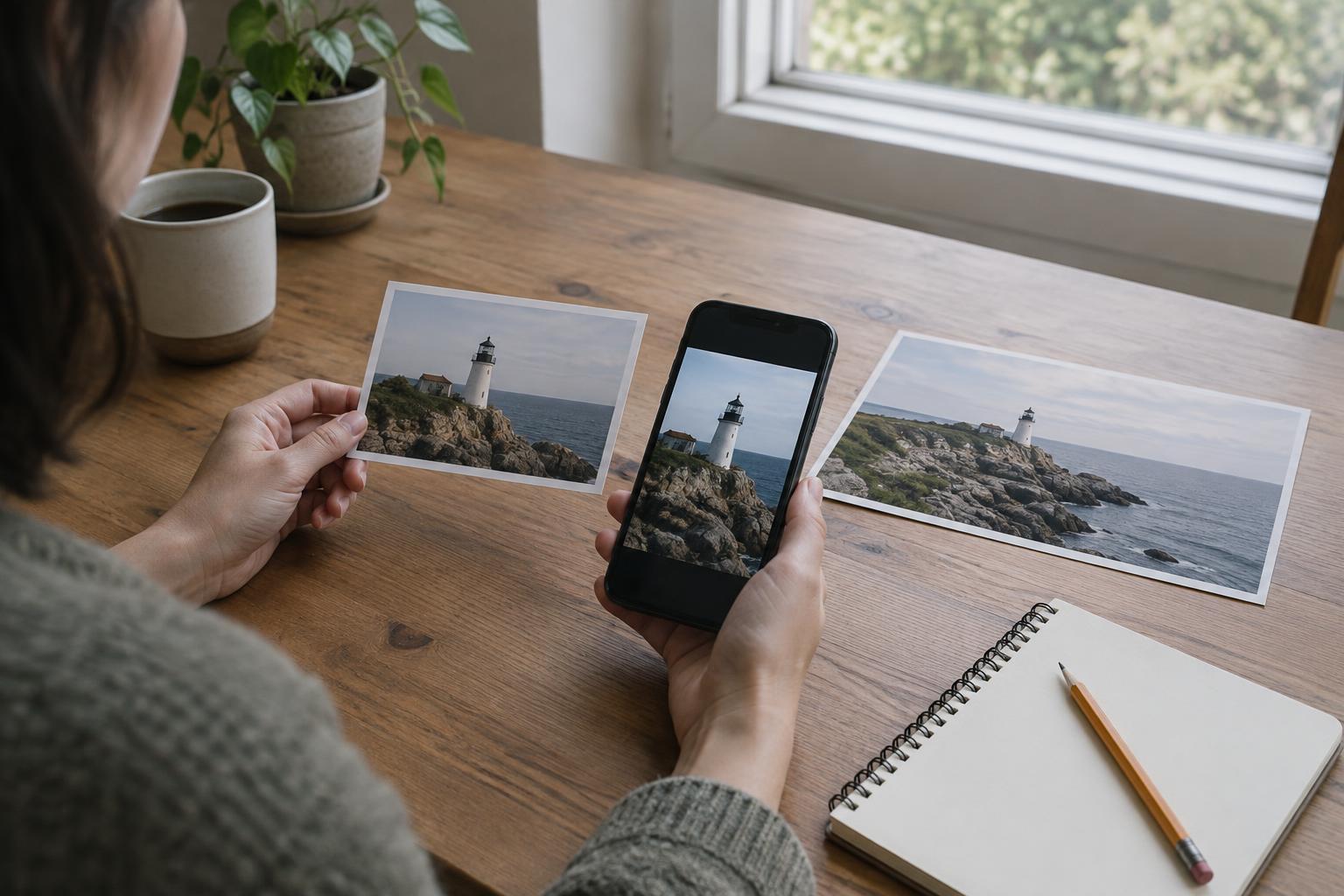
Media LiteracySharing an image in good faith does not make a correction any less important. Learn how to check what changed, correct your original post, reach people who saw it, and make better decisions before sharing the next photograph.
Read article · 4 min↗
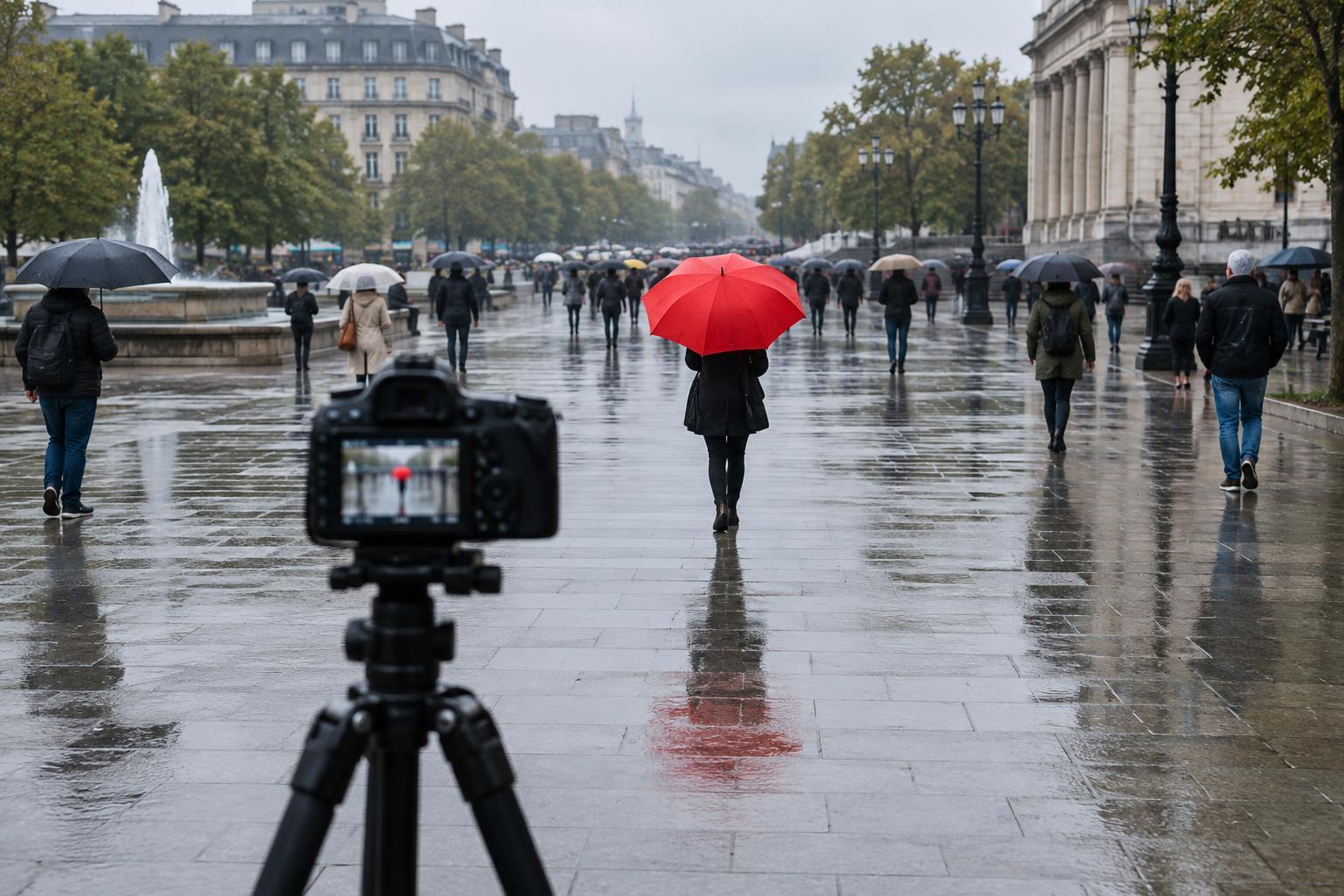
Media LiteracyA photograph can show that something happened in front of a camera, but it cannot by itself show how often it happens. Learn to separate visual evidence from claims about frequency, and to ask what lies outside the frame.
Read article · 4 min↗
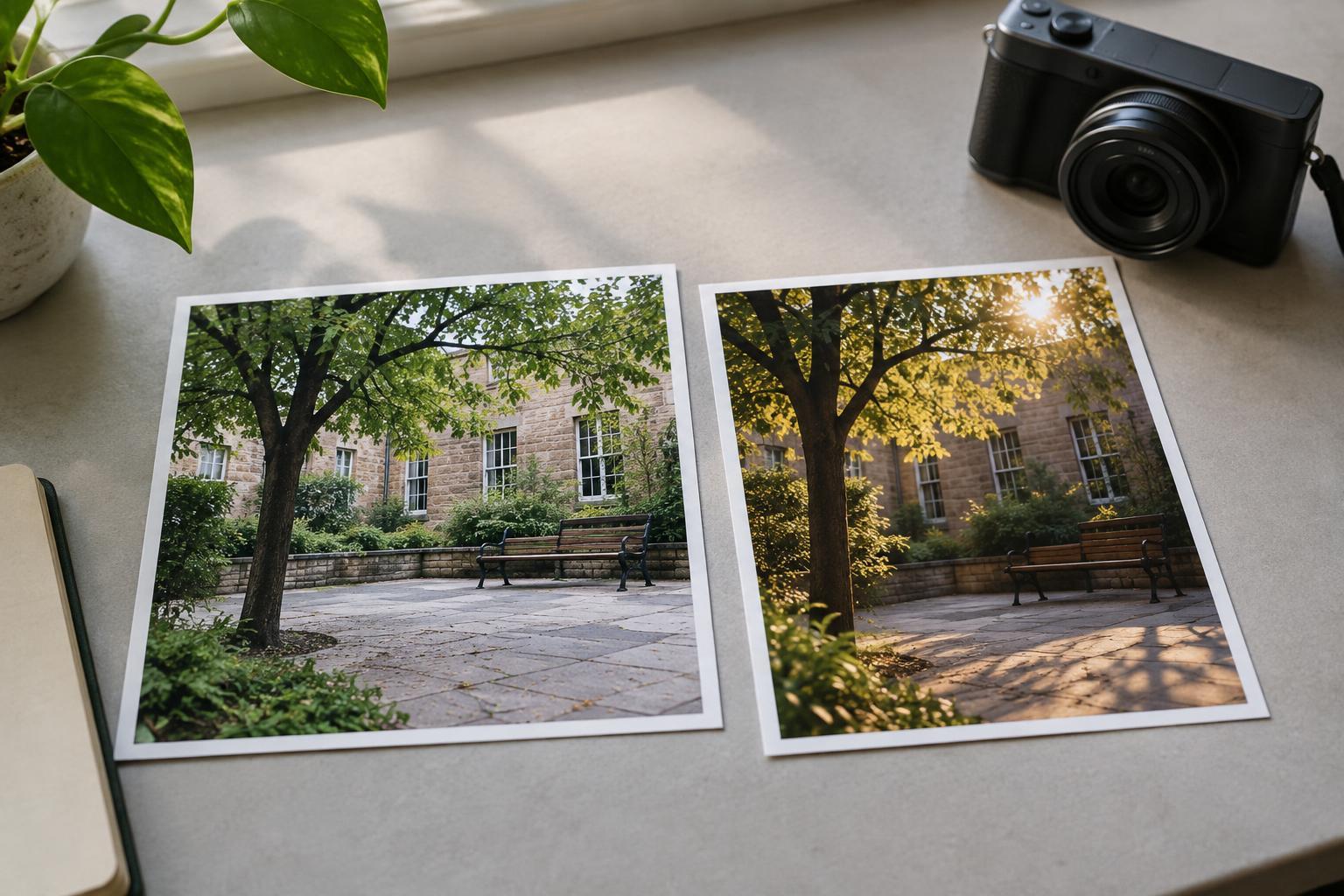
Media LiteracyBefore-and-after photos can make a change look dramatic, subtle or nonexistent. Learn how to compare camera position, framing, light and timing before deciding what a pair of images actually shows.
Read article · 4 min↗
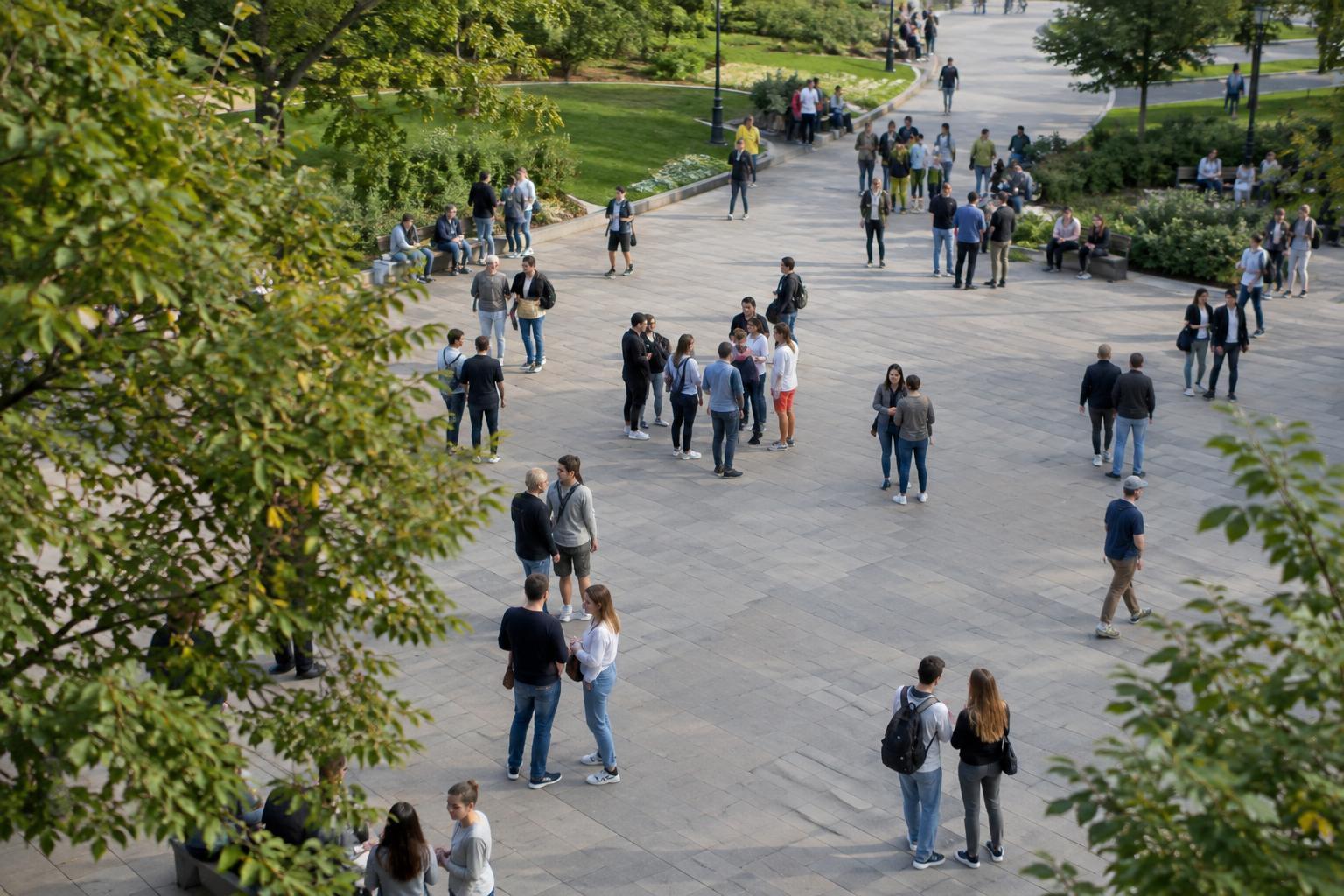
Media LiteracyA crowd photograph can show that people gathered, but it rarely reveals exactly how many attended. Learn how framing, perspective, density and timing affect what an image can support—and how to read attendance claims more carefully.
Read article · 4 min↗

Media LiteracyA photograph can make a crowd look tightly packed, a mountain seem close, or a nearby object appear enormous. Learn how camera position, focal length, framing, and overlapping shapes affect your sense of distance—and how to read those cues more carefully.
Read article · 4 min↗
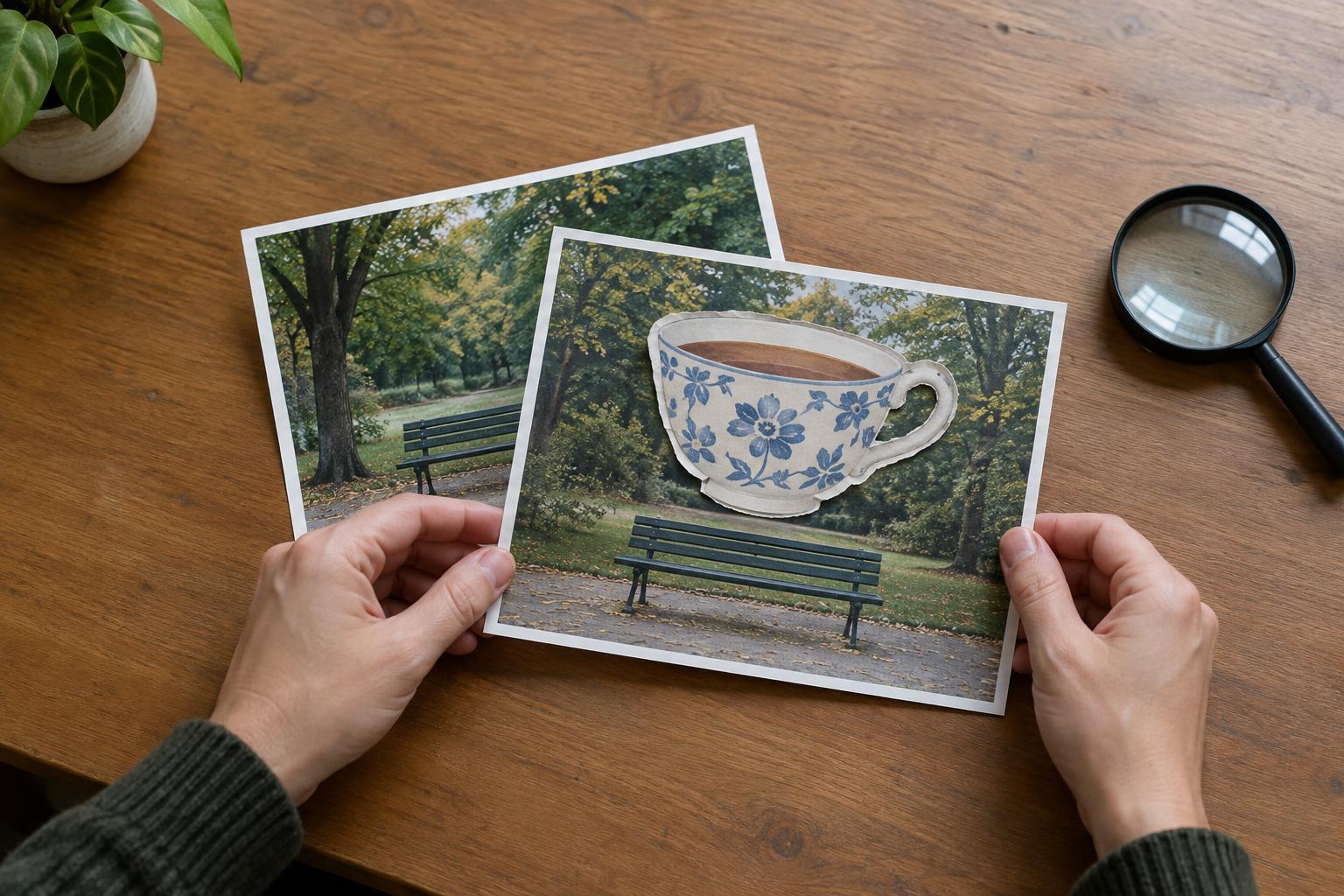
Media LiteracyAn edited image can make a joke, criticize an idea or invite people to share a feeling. It can also be mistaken for a record of something that happened. Learn how to read visual cues, check context and share satirical images without turning them into false evidence.
Read article · 4 min↗

Media LiteracyA striking photograph can inform, persuade, or sell. Learn how to spot visual advertising, check who benefits from an image, and separate what a picture shows from the claims attached to it.
Read article · 4 min↗
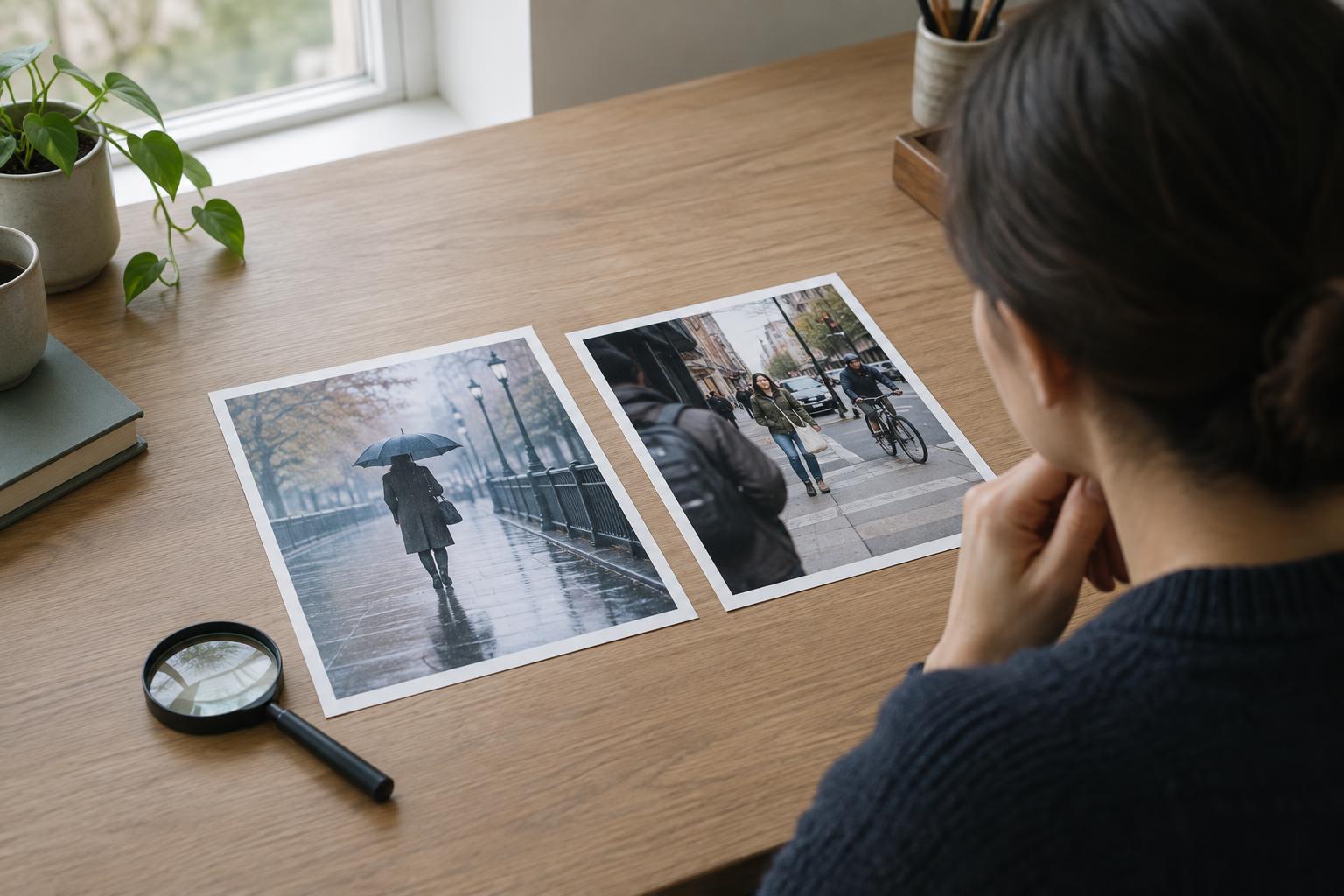
Media LiteracyA photo beside a news story may document the event, show a related scene, or simply illustrate the topic. Learn how captions, credits, and visual context can help you tell the difference—and what neither kind of image proves on its own.
Read article · 4 min↗
Media LiteracyAn AI image detector can offer a clue about how a picture was made, but its score cannot establish whether the picture is authentic or what it depicts. Learn why detectors can mislead and how to evaluate images using context, provenance and careful reporting.
Read article · 4 min↗
Media LiteracyAn unusual edge or mismatched shadow can raise a question, but it cannot settle one. Learn a careful way to examine a suspected photo composite, check its context and describe what you find without overstating the evidence.
Read article · 4 min↗

Media LiteracyNot every photo edit changes what an image says. Learn how to assess exposure, color, cropping, retouching, and object removal by asking what viewers might reasonably conclude from the finished picture.
Read article · 4 min↗
Media LiteracyContent Credentials can help reveal an image’s recorded origin and editing history, but they cannot establish that a scene is truthful. Learn how to read provenance information, recognize its limits, and use it alongside other checks.
Read article · 4 min↗
Media LiteracyA photograph can be genuine and still be used to support a false claim. Learn a practical process for checking where an image came from, what it shows, and whether the caption goes further than the evidence allows.
Read article · 4 min↗
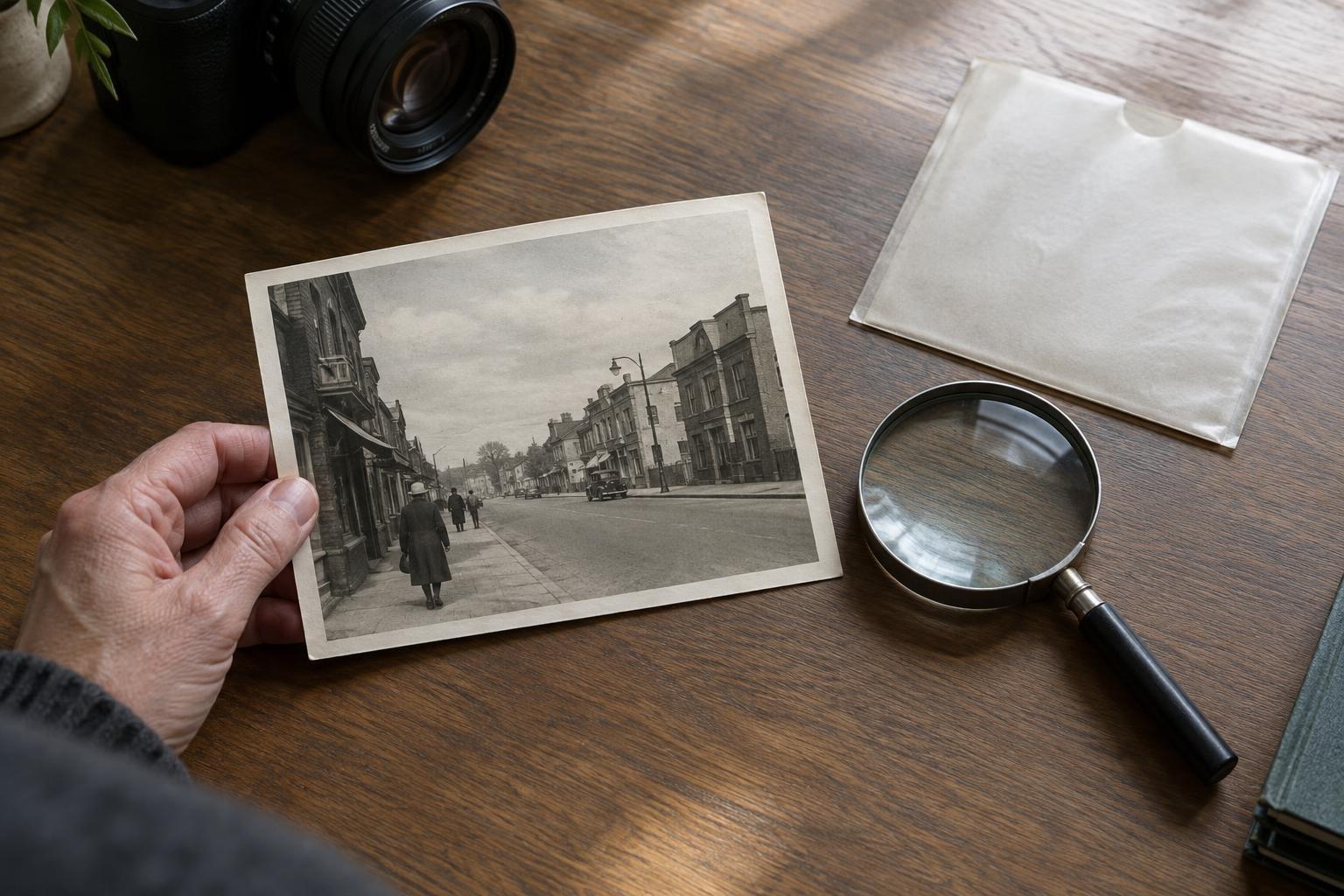
Media LiteracyA photograph may contain clues to when it was made, but few clues can establish a date on their own. Learn how to separate the moment of exposure from later copies, assess clothing, light and surroundings, and express an estimate without overstating the evidence.
Read article · 4 min↗
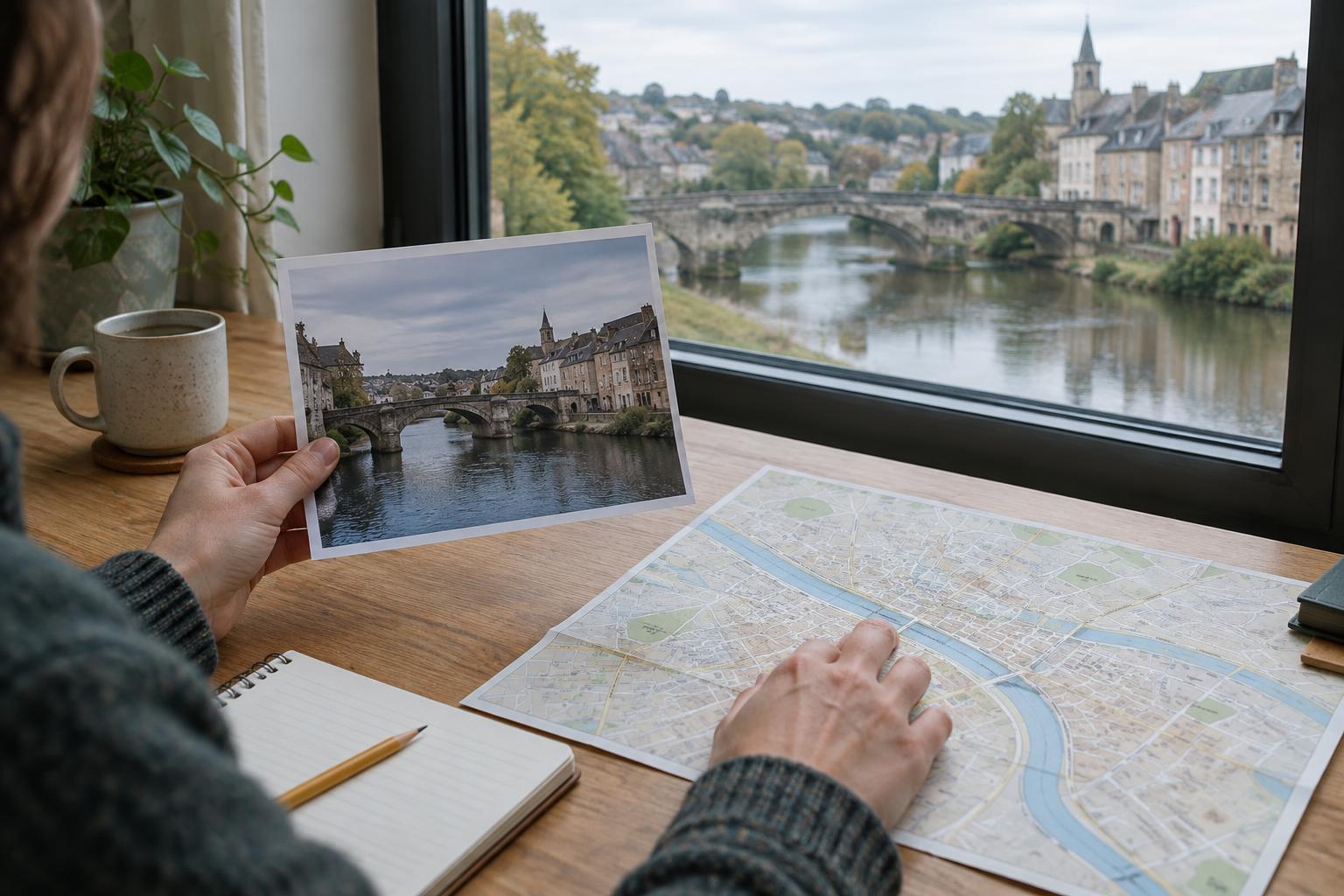
Media LiteracyA building or road in a photograph can offer clues to where it was taken, but resemblance is not proof. Learn a practical method for comparing visible landmarks with maps, testing camera position and reporting uncertainty.
Read article · 4 min↗

Media LiteracyEXIF data can offer clues about a photo’s camera, settings, time and location. Learn how to read those clues without mistaking them for proof of where, when or why an image was made.
Read article · 4 min↗
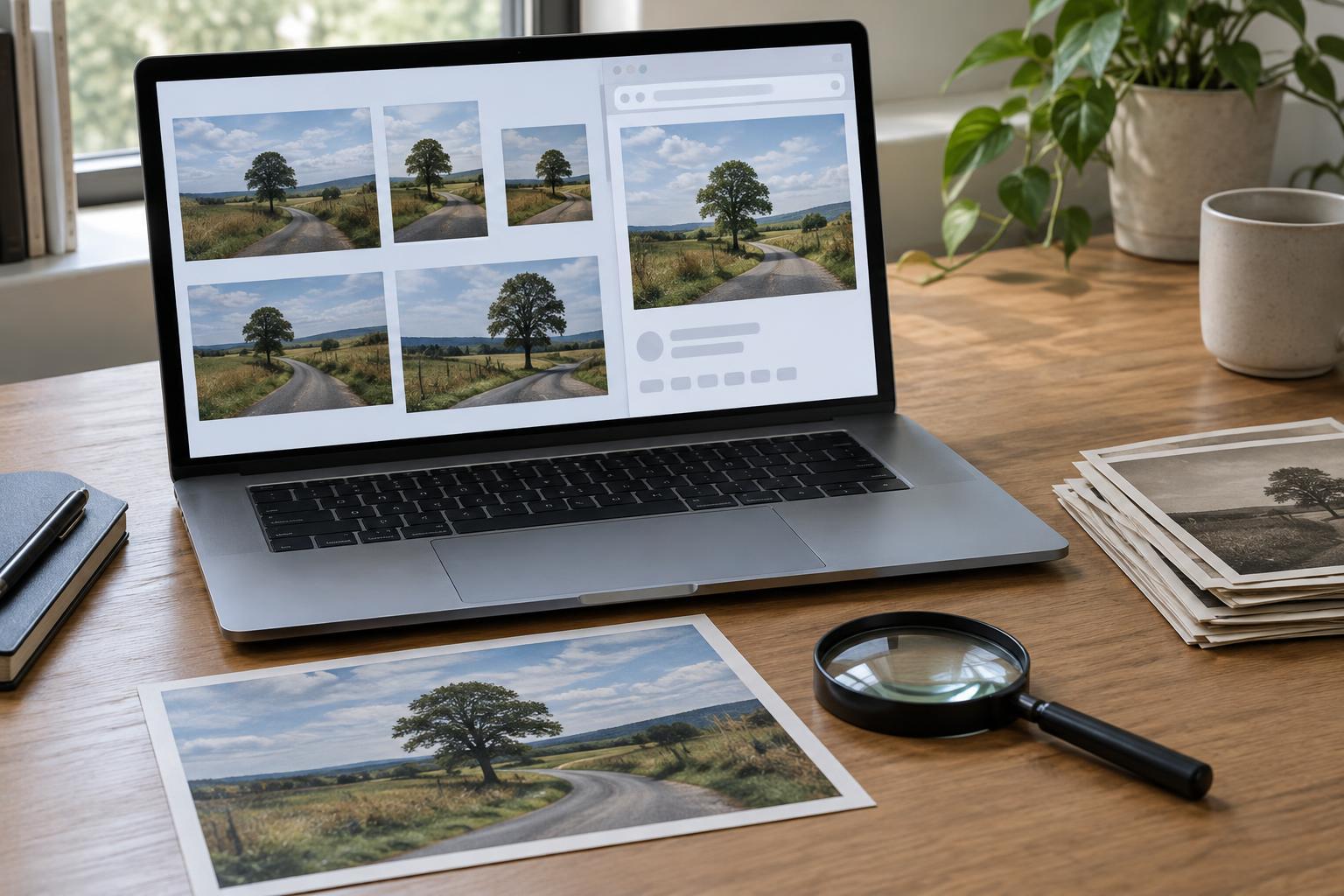
Media LiteracyA photograph can circulate for years with changing captions. Learn how to search for earlier appearances, compare versions, check the surrounding context, and recognize what reverse image search cannot prove.
Read article · 4 min↗
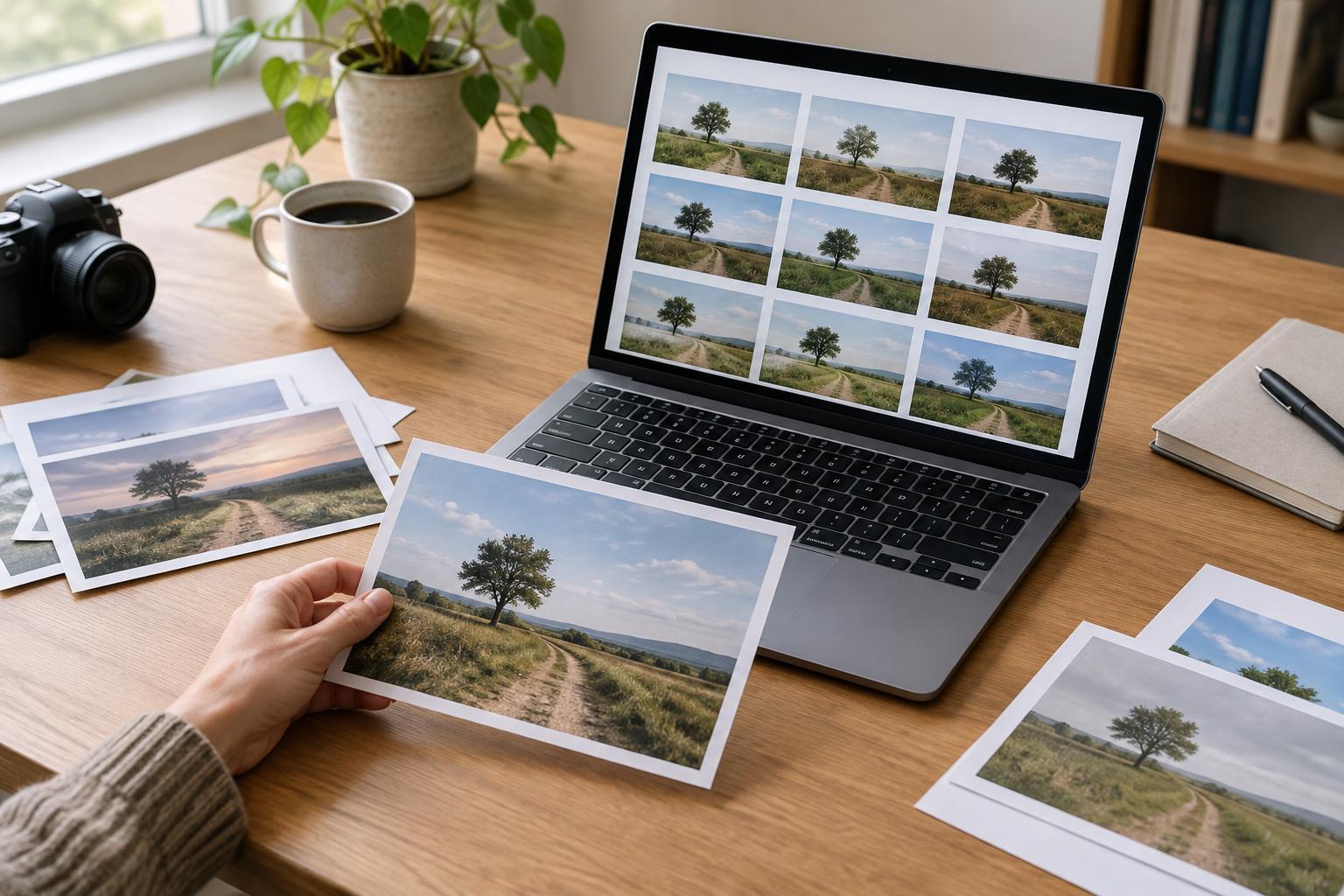
Media LiteracyA photograph shared without context can be difficult to place. Learn a practical workflow for finding earlier appearances, checking publisher pages and separating a credible source from a repost.
Read article · 4 min↗