Decide what “finished” means
A long-term documentary project may not have a natural final scene. People move, places change, and the circumstances that drew you to the story may continue after you stop photographing. Rather than searching for an image that makes everything look resolved, define the scope of your project: the period you covered, the questions you followed, and the limits of what you witnessed.
Write a short working summary before making the final edit. What can the photographs show directly? Which ideas depend on captions, conversations, or background information? Where are there gaps? This summary can help you distinguish a satisfying visual sequence from a claim that the story itself has ended. A project can be complete as a piece of work while its subject remains in motion.
Revisit people without treating them as a final assignment
If you have maintained contact with the people you photographed, consider checking in before publication or exhibition. Explain what you are preparing, where the work may appear, and whether you hope to make new photographs or simply verify details. A visit should have a clear purpose; it need not produce a closing portrait. Give people room to decline a meeting or a new photograph without presenting their choice as an obstacle to your ending.
Ask open questions about what has changed since you photographed them. Listen for corrections to names, relationships, timelines, and descriptions, as well as concerns about how an image might be understood. Do not assume that a person’s current view erases what happened earlier, or that an earlier agreement answers every concern about later use. You retain responsibility for editorial choices, but taking those concerns seriously can reveal context the pictures alone do not carry.
Check captions against what you actually know
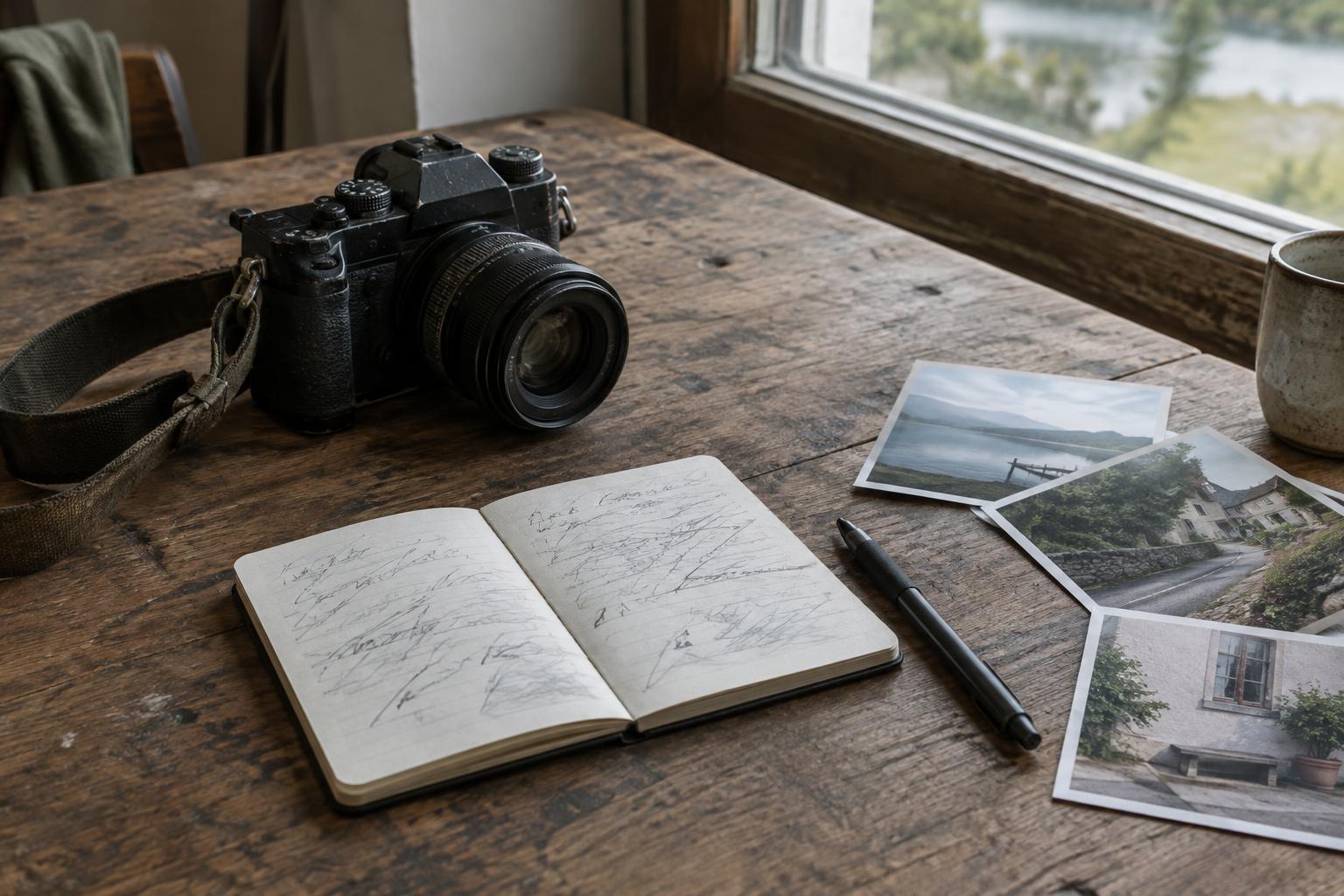
A caption should help a reader understand an image without making it claim more than it shows. Review each one beside your notes and the photograph. Separate what you observed from what someone told you, what you inferred, and what remains uncertain. If a location, identity, date, or sequence matters to the meaning of an image, verify it from your records or seek clarification rather than filling a gap from memory.
Pay particular attention to words that suggest cause, emotion, or permanence. A person looking away is not necessarily ashamed; an empty room does not prove abandonment. A photograph made during one difficult afternoon may be accurate yet misleading if presented as a portrait of everyday life. When later developments matter, a brief update can provide context, but it should not imply that you witnessed events you did not photograph.
Edit for fairness, not just visual force
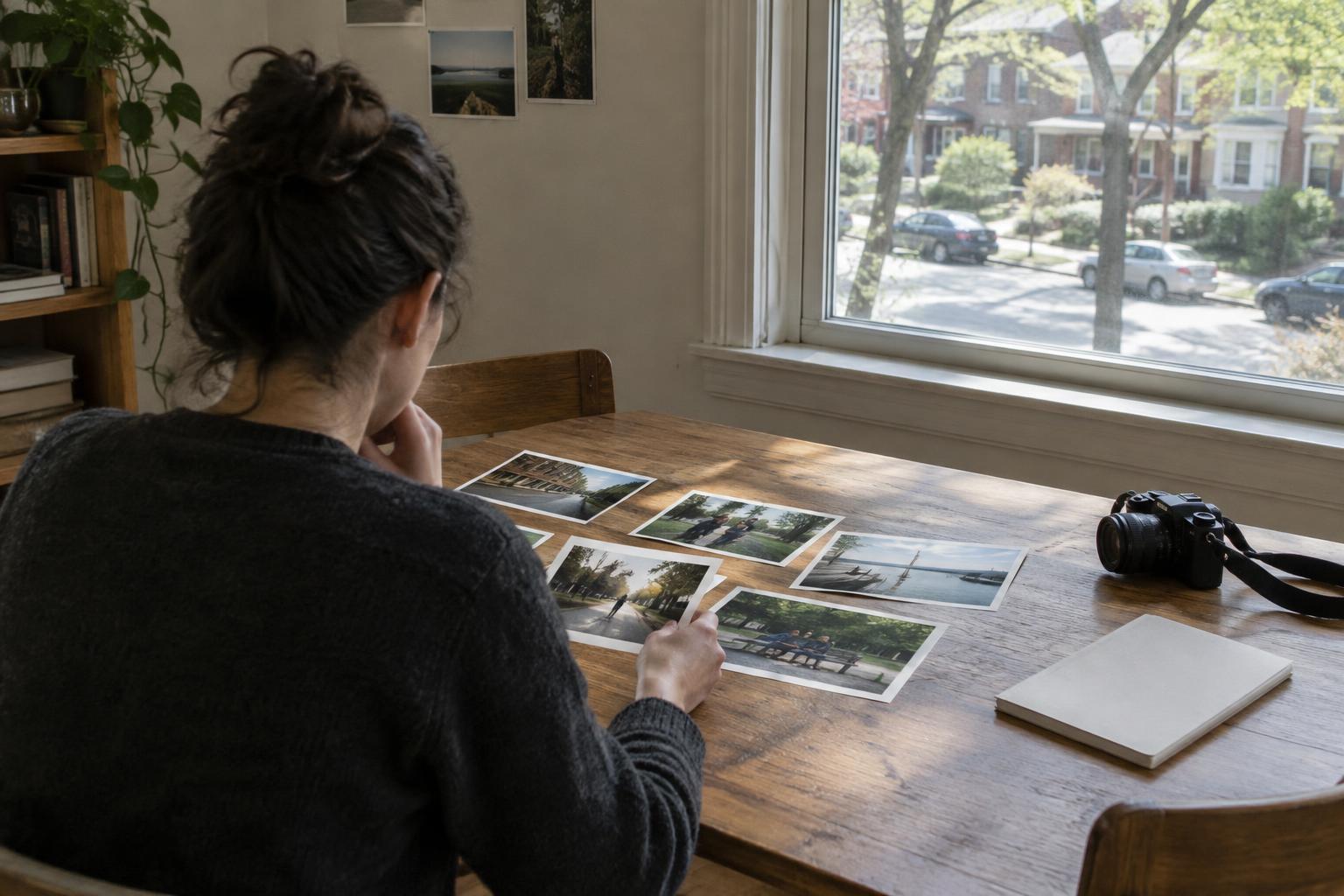
Lay out the proposed sequence and read it as a stranger would. Whose perspective appears repeatedly, and whose is missing? Do dramatic images dominate quieter ones that might give a more accurate sense of daily life? Repetition can make an unusual event seem typical. Conversely, a reassuring final frame can suggest a resolution that the people involved would not recognize. Consider changing the order, adding a necessary image, or leaving a striking photograph out.
Check how individual images behave outside the sequence, too. A photograph may circulate with only a short caption, especially if it is used to promote the project. Ask whether that pairing preserves essential context. Be especially careful with details that could identify someone who did not expect broad exposure or reveal a private situation. Where the risk of misunderstanding or harm is substantial, a stronger image is not automatically the better editorial choice.
Close the work while leaving a clear record
Before release, organize your notes, contact information, caption decisions, and image files so you can trace why you made particular choices. Keep originals separate from edited versions, and record meaningful changes to the sequence or text. If someone later points out an error, a clear record makes it easier to assess and correct. Plan how you will handle correction requests and inquiries without promising that every objection will lead to removal.
Your final text can state when the photographs were made and what the project does not cover. It need not apologize for every absence, but it should avoid suggesting comprehensive access when your access was partial. Ending responsibly is less about finding a perfect last frame than about leaving viewers with an honest understanding of the work’s boundaries—and leaving the people photographed as more than characters in a finished narrative.