Start with curiosity, not a conclusion
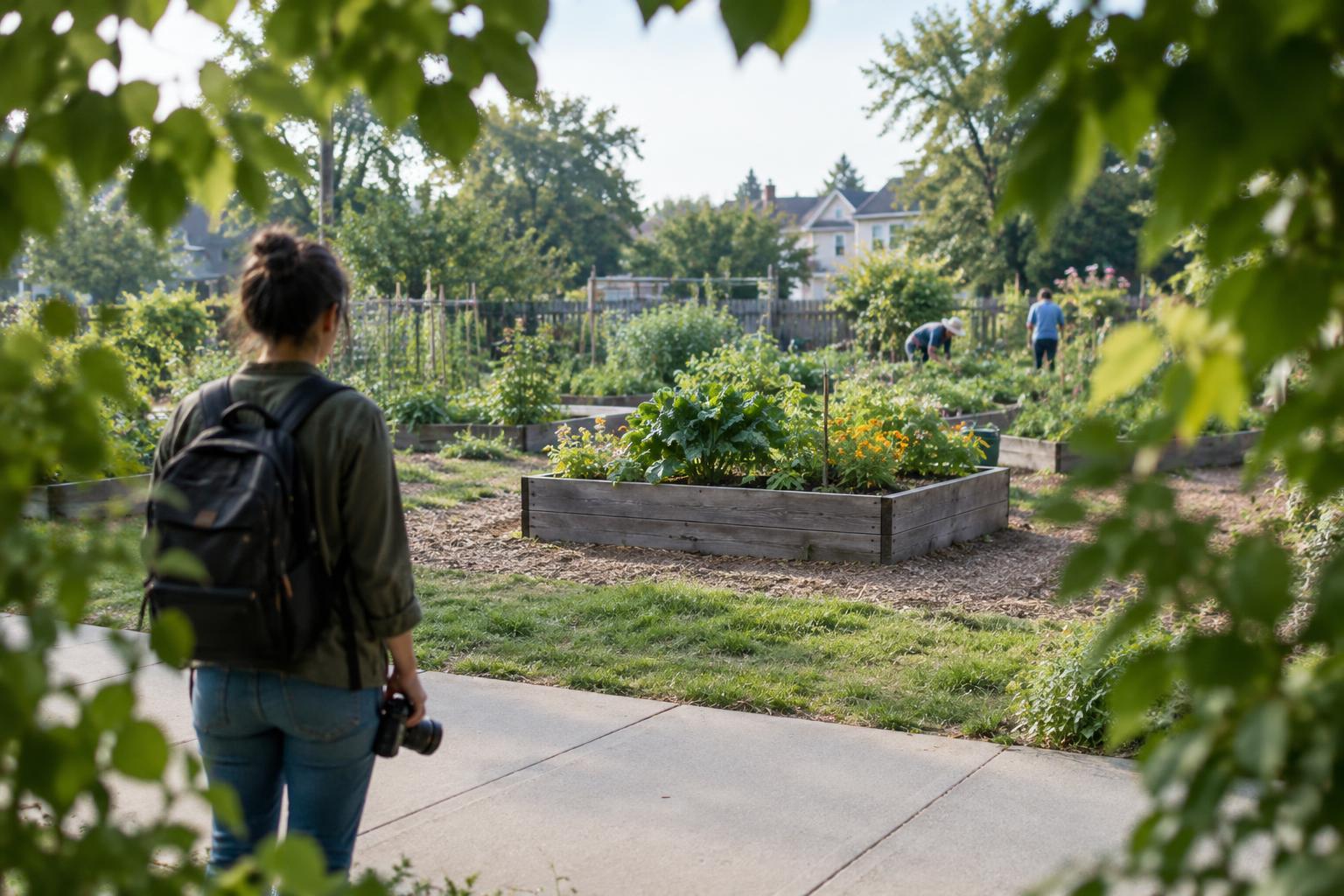
A place, person or activity can spark a documentary project, but a subject alone does not tell you what to photograph. “A neighborhood garden” names a subject. “How do neighbors use the garden throughout a typical week?” gives you something to investigate. It suggests scenes to look for, people to speak with and details that might matter in an edit.
Try writing down what you genuinely do not know about your subject. Who takes part? What changes over time? Which routines are easy to miss? A useful question should make you more attentive, not send you out to collect pictures that support an answer you have already chosen. If your question assumes a conflict, motive or outcome you have not established, rephrase it so the evidence can surprise you.
Narrow the scope to what you can observe
Broad questions often point toward worthwhile themes but can be difficult to photograph directly. “What does community mean?” is an invitation to think, yet it gives little guidance on where to stand with a camera. A narrower version might ask, “How do volunteers prepare and share a weekly meal?” The larger theme remains, but the project now has a setting, recurring actions and a workable boundary.
To narrow an idea, identify one place or group, one activity or change, and a period you can realistically revisit. You do not need to include all three in the final wording. They are tools for deciding what belongs in the project. A manageable question helps you recognize what you cannot show as well as what you can. It also gives you a reason to return: a second visit may reveal a different stage of a process or a quieter part of a routine.
Check whether photographs can explore the question
Some questions are important but cannot be answered by photographs alone. An image may show someone repairing a bicycle; it cannot reliably establish why they began doing so or what the work means to them. Ask what you could observe in scenes, gestures, spaces and objects, and what would require a conversation, caption or other context. This distinction helps prevent an image from carrying a claim it cannot support.
Make a short list of possible moments before you start: preparation, interaction, waiting, work, transitions and aftermath. Then look for variety in distance and purpose. A wide frame might establish a setting, while a closer frame could show a specific action or detail. If every imagined photograph looks essentially the same, consider whether the question needs a different angle or more time. Treat this list as a starting point, not a script that people must perform for you.
Build ethical limits into the question
A focused question is not automatically a fair one. Consider who might be affected by the photographs and whether your wording reduces people to a problem, a symbol or a single role. “How do staff coordinate a busy service?” invites attention to decisions and work. A question that presumes incompetence before you have observed anything would narrow your vision in a less responsible way.
Think about access before planning scenes that depend on private spaces or vulnerable moments. Permission to enter a place does not settle every question about whether an image should be made or published. Explain your project plainly when appropriate, respect refusals, and be especially careful with identifying details. If the work includes captions or interviews, distinguish what you witnessed from what someone told you. Ethical limits may change the project’s focus; that can make it more accurate, not less ambitious.
Use early photographs to revise the question
After an initial visit, review the pictures without forcing them into your original plan. What happens repeatedly? What did you expect to see but did not? Which images raise questions that a viewer could not answer from the frame alone? Keep notes on missing context, possible follow-up conversations and moments worth revisiting. An early edit is a way to assess your understanding, not a verdict on whether the project has succeeded.
Rewrite the question in one sentence, then test it against the images. It should be specific enough to guide the next visit but open enough to accommodate an unexpected answer. As the project develops, use that sentence to decide which photographs belong together and what context the sequence needs. The aim is not to make every image prove the same point. It is to build a visual account that helps viewers look closely while remaining honest about what the photographs can and cannot tell them.