What focal length describes
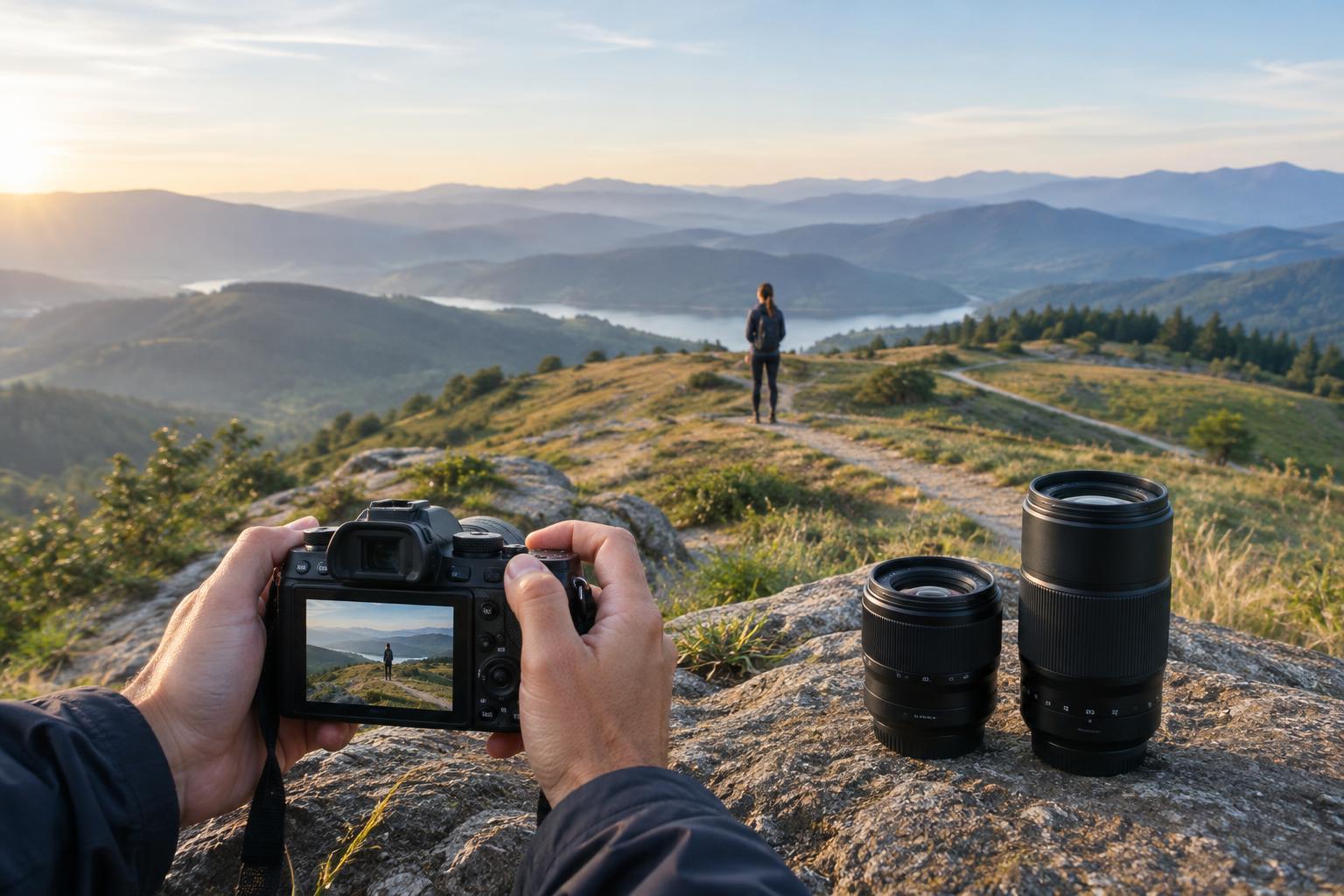
Focal length is a property of a lens, expressed in millimeters. For a given camera sensor, a shorter focal length captures a wider view of the scene, while a longer focal length captures a narrower view. A wide view can include a person and the room around them. A narrow view can isolate that person against a smaller portion of the background.
Focal length is not a measure of how far a lens can see. A distant subject remains distant; a longer lens simply fills more of the frame with a smaller part of the scene. Nor does one focal length make a photograph inherently better. The useful question is what the viewer needs to see: the subject’s surroundings, a relationship between several elements, or a detail that might otherwise be missed.
Why sensor size changes the view
The same lens can show a different field of view on cameras with different sensor sizes. A smaller sensor records a smaller portion of the image projected by the lens, so the final photograph appears more tightly framed. The lens has not changed its focal length; the recorded area has changed.
Photographers sometimes use a full-frame equivalent focal length to compare framing across camera systems. For example, a 35 mm lens on a camera with a 1.5× crop factor gives approximately the same field of view as a 52.5 mm lens on a full-frame camera. This comparison helps when planning a shot, but it does not replace looking through the viewfinder or at the screen. Aspect ratio and any later cropping also affect what remains at the edges of the finished image.
Framing is not the same as perspective
Camera position controls perspective: how near and far objects appear in relation to one another. If you photograph someone close to a wide-angle lens, nearby features can look especially prominent compared with those farther away. If you step back, those proportions change. Merely changing focal length while keeping the camera in the same place changes the framing, not the relative positions of objects.
This distinction explains the familiar impression that longer lenses “compress” a scene. To keep a subject the same size in the frame when switching to a longer lens, you usually step farther back. From that new viewpoint, the distance between foreground and background objects is smaller relative to your distance from them, so they can appear closer together. The change in viewpoint creates that relationship; the longer focal length lets you frame it tightly.
Choose a view that serves the story
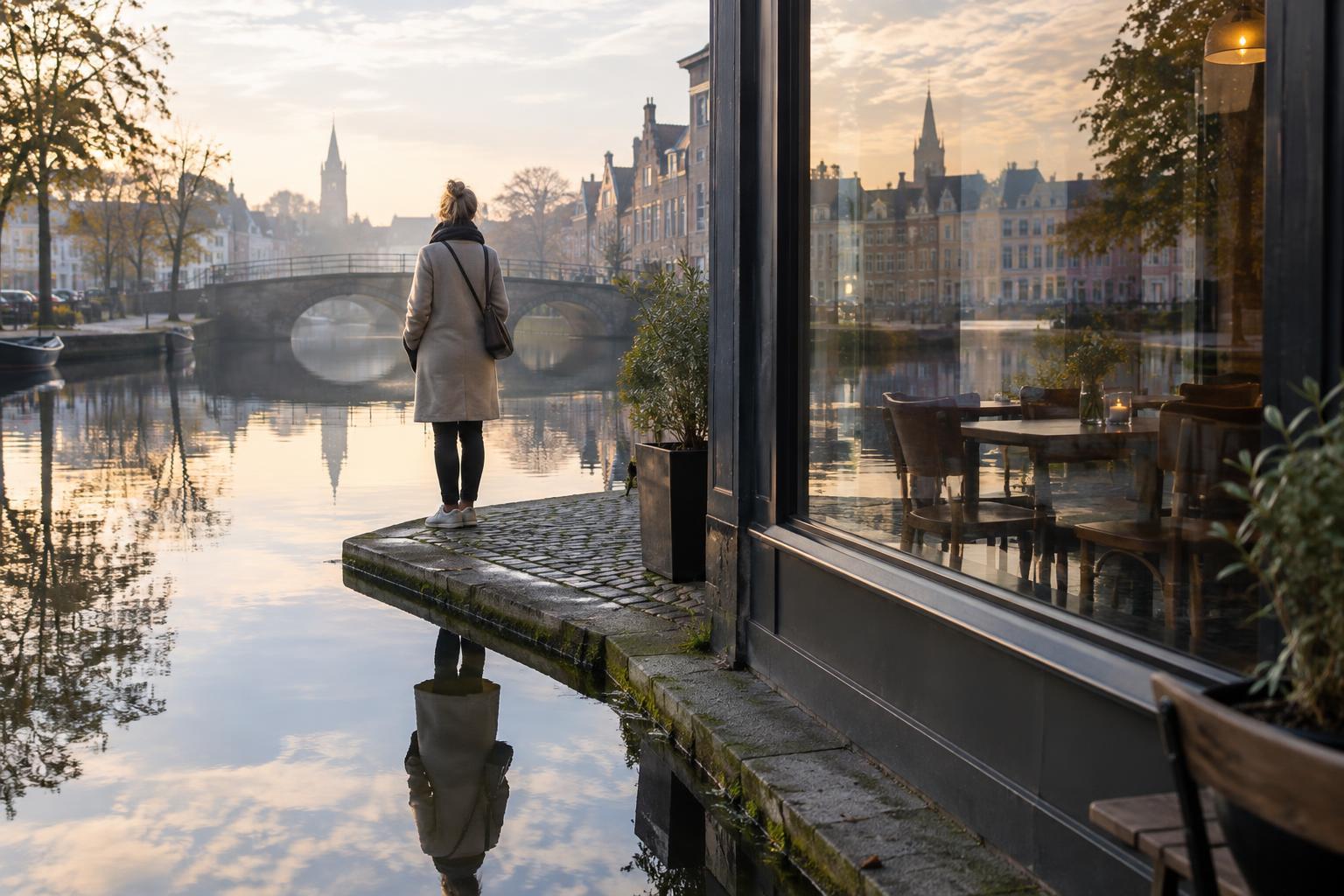
A wider view can establish where an action happens and reveal context around a subject. It also demands attention to the edges of the frame: unrelated signs, bright patches or partial figures may compete with the subject. Moving a little to one side or changing your height can often improve a wide composition more than changing lenses.
A narrower view can emphasize a gesture, expression or pattern and simplify a busy background. But removing context can also change how an image is understood. In documentary work, consider whether a tight frame leaves out information the viewer needs to interpret the moment fairly. Neither wide nor narrow framing guarantees an accurate account; each is a choice about what is visible and what is not.
Practice by changing one thing at a time
Choose a stationary subject with a clear background, such as a chair near a window. First, photograph it from one spot at several focal lengths, or use the available zoom settings on your camera. Compare how much of the room appears in each frame. The subject grows or shrinks within the image, but its relationship to background objects remains much the same because your position has not changed.
Next, make the chair roughly the same size in each photograph by moving closer with a wider setting and farther away with a longer one. Compare the apparent spacing of the chair, window and objects behind them. Then ask which image communicates the room as a place and which directs attention to the chair. This exercise separates two decisions that are easy to confuse: where to put the camera and how much of its view to include.