Think in layers, not just subjects
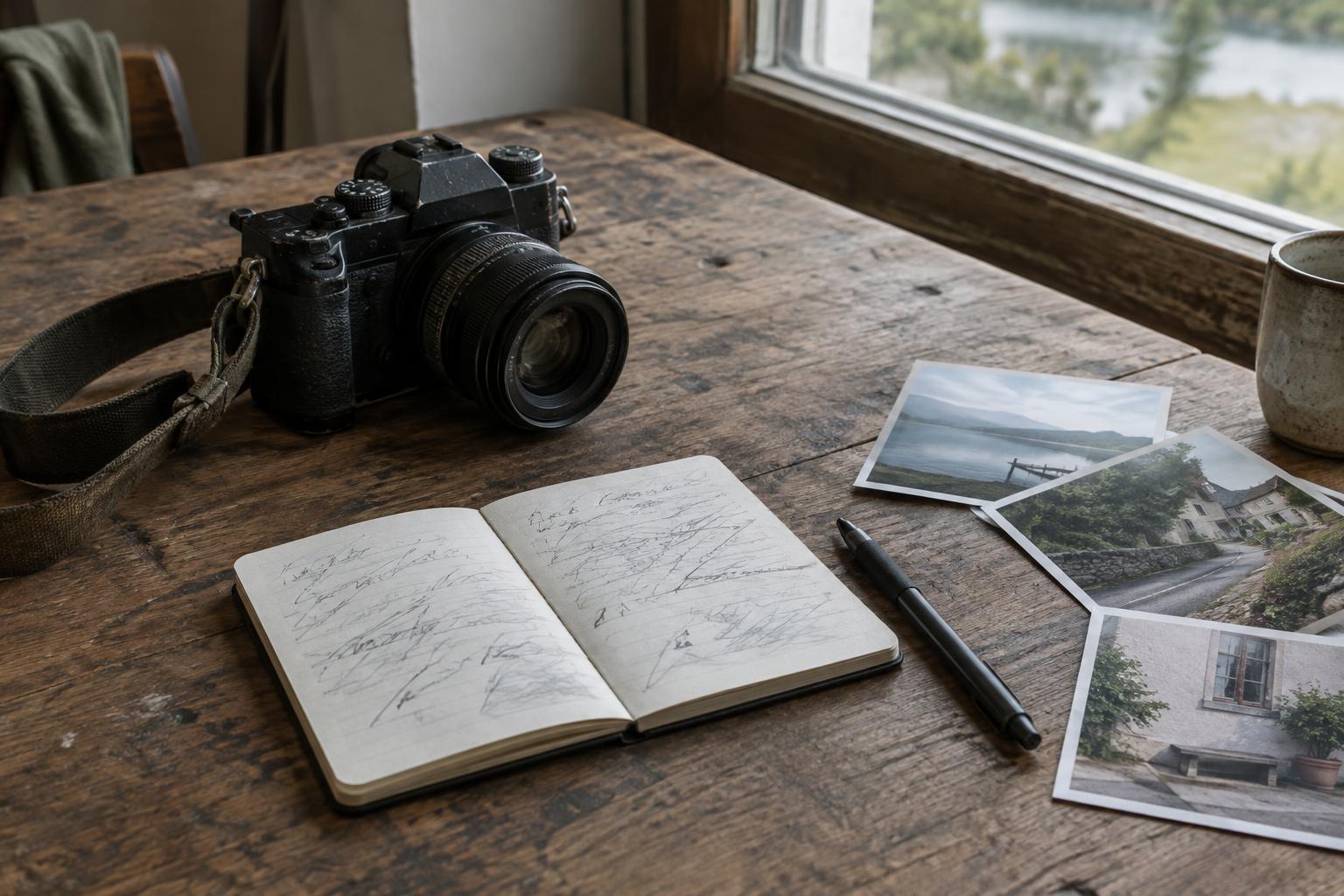
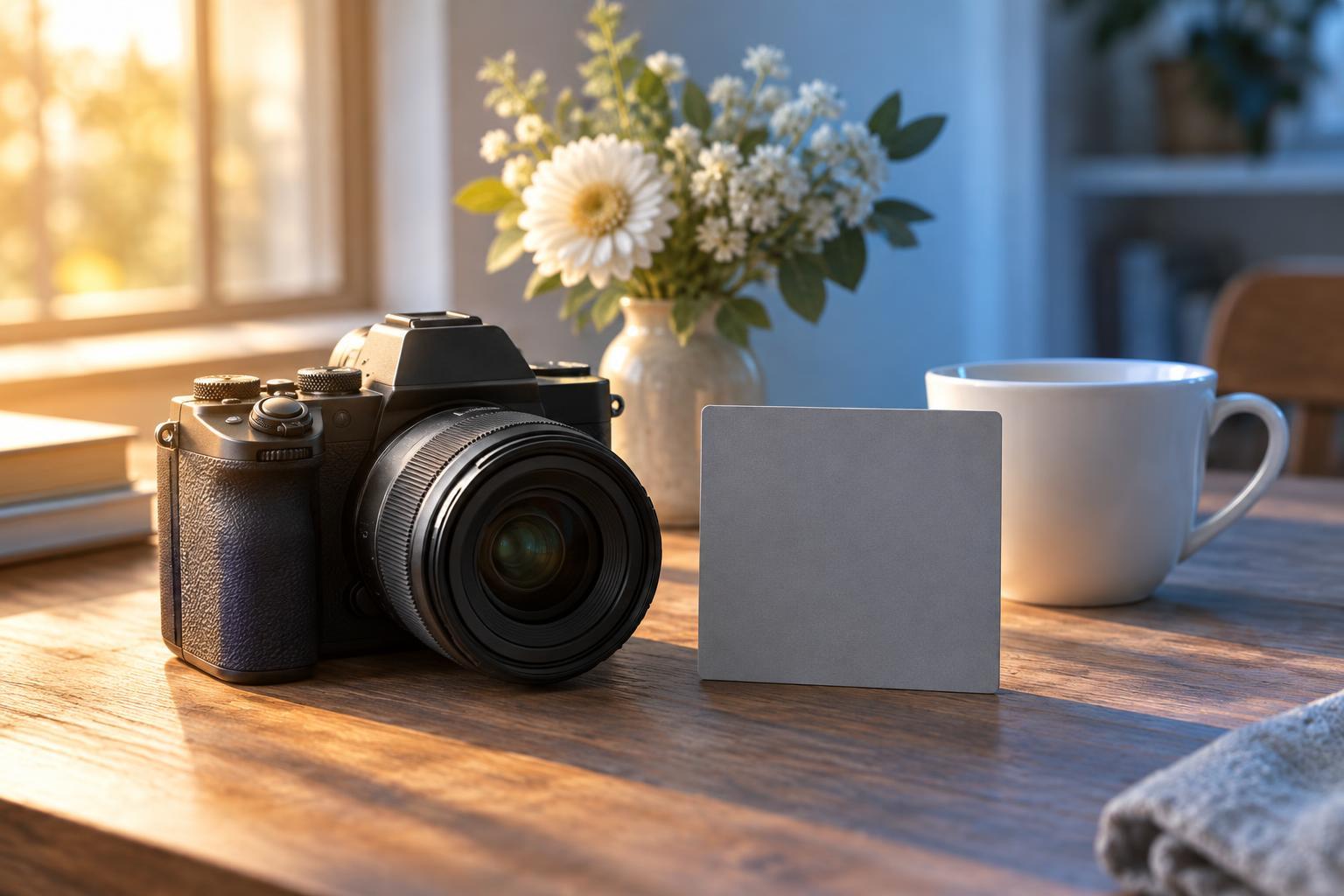
A photograph compresses a three-dimensional scene into a flat frame. To help a viewer read that space, look for three layers: a foreground close to the camera, a middle ground farther in, and a background beyond it. These are relationships, not fixed distances. In a tabletop photograph, the layers may be inches apart; in a landscape, they may stretch across a valley.
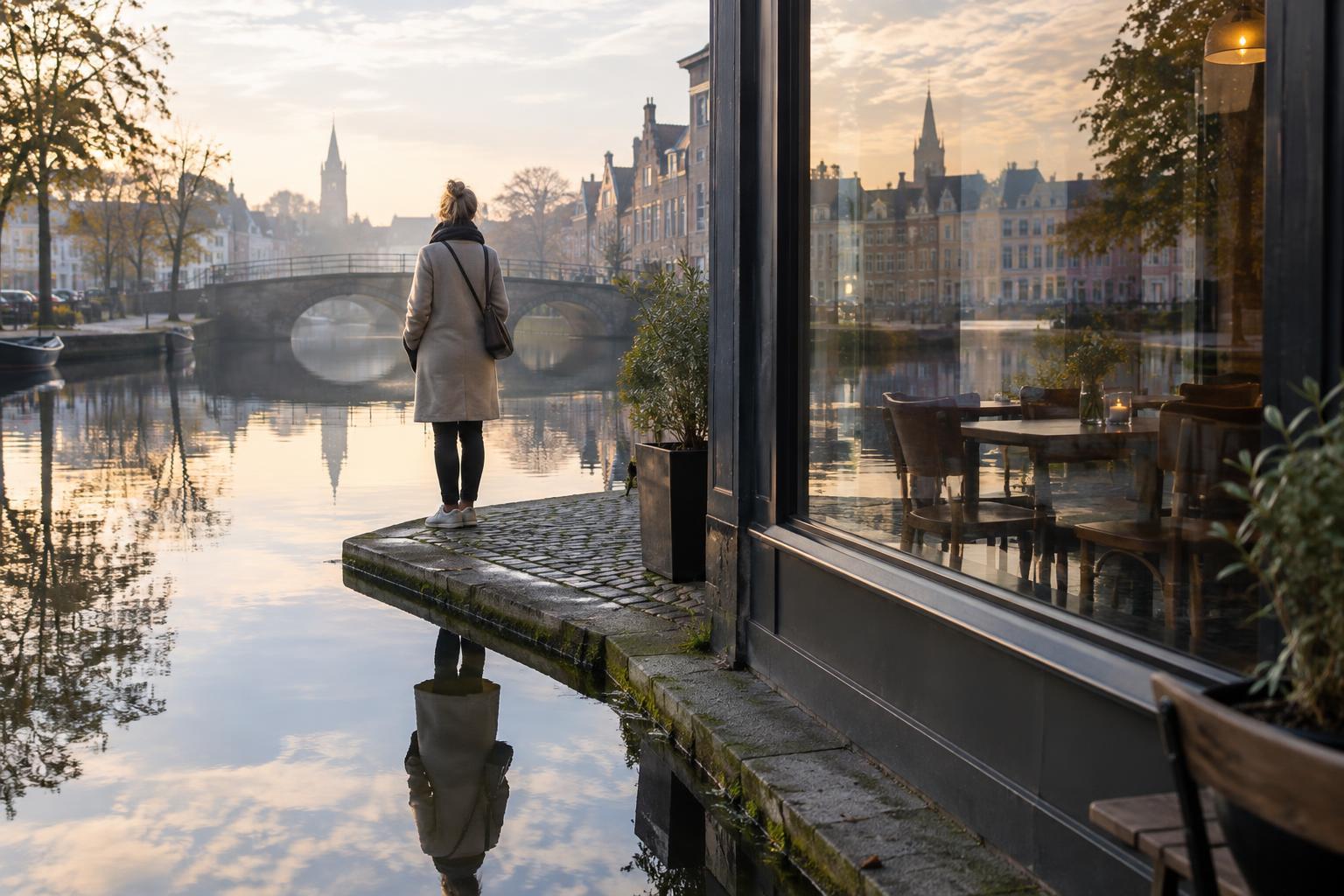
Before raising the camera, ask what each layer contributes. A foreground object can offer an entry point, the middle ground can hold the main subject, and the background can establish place. You do not need an object in every layer. A quiet foreground or an uncluttered background may do more for the image than filling every available space. The aim is to make the relationships between elements easy to understand.
Use position and overlap to show distance
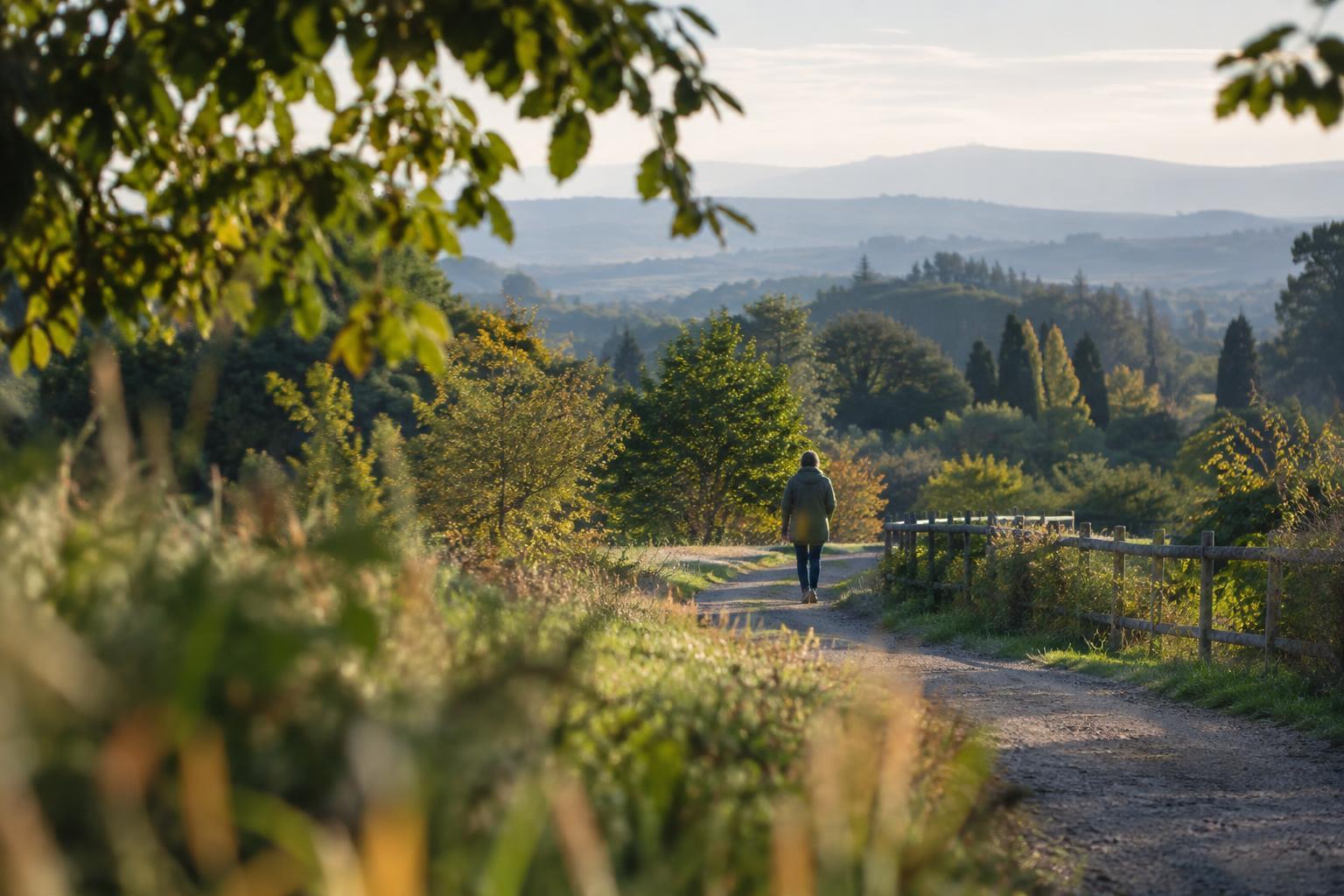
One of the clearest depth cues is overlap: when one object partly blocks another, we understand that it is nearer. A branch crossing the edge of a landscape, people at different distances along a path, or a doorway framing a room can all establish spatial order. Keep the overlap intentional. If two shapes barely touch, their outlines may merge awkwardly; a small change in camera position can separate them or make the overlap more decisive.
Viewpoint often matters more than adding objects. Lowering the camera may bring nearby ground into the foreground. Stepping sideways can reveal space between a subject and the background. Moving closer makes nearby elements appear larger relative to distant ones, strengthening the sense of depth. Watch the edges of the frame as you move: a foreground element should guide attention into the scene, not become a distracting obstacle.
Let focus support the story
Sharpness gives the viewer a clue about where to look. If a person in the middle ground is the subject, focusing on them while allowing a nearby object to soften can create a sense of looking past something into the scene. A softly rendered background can also separate the subject from busy surroundings. Neither choice automatically creates a stronger photograph; blur works best when the underlying arrangement remains readable.
Depth of field—the range that appears acceptably sharp—changes with aperture, focal length, camera-to-subject distance and viewing conditions. A wider aperture can help isolate a subject, while a narrower one can keep more layers legible. Try both approaches rather than assuming every layered image needs blur. In a scene where the setting matters, retaining detail across foreground, middle ground and background may tell the story more effectively.
Use light, contrast and color to separate layers
Layers can be distinguished even when they are all in focus. A bright subject against a darker background may stand out; a shadowed foreground can frame a sunlit middle ground. Changes in color or texture can have a similar effect. Look for differences already present in the scene, and adjust your viewpoint or timing when possible to make them easier to see.
Distant features sometimes appear lower in contrast and less distinct than nearby ones, especially when air or haze lies between them. That can suggest space without an obvious foreground frame. During editing, modest adjustments to brightness and contrast may help preserve these differences. Avoid treating every layer identically if doing so flattens the scene, but be careful not to create a misleading impression of light or conditions in a documentary image.
Practice with one scene and several arrangements
Choose a place with a clear subject and at least one possible foreground element. Make a frame with the subject alone, then make another from a position that introduces the foreground. Move sideways or change height and make a third. Compare how each version directs your eye: does the added layer create a path toward the subject, provide useful context, or simply take up space?
Repeat the exercise with focus. Try one frame that keeps most of the scene sharp and another that gives the subject stronger separation. Review the photographs at a size where you can judge the whole composition, not just fine detail. Look for mergers, blocked faces or important context lost to blur. Depth is useful when it helps a viewer understand where things are and why they belong together—not merely when it makes an image look more elaborate.