Start with a question, not a verdict
A photo composite combines elements from separate images into one frame. Compositing can be an ordinary creative technique, a clearly labeled illustration or a misleading alteration presented as a record of an event. Before examining pixels, ask what the image is being used to claim. A constructed image in an advertisement calls for a different reading than an image presented as an unaltered documentary photograph.
Write down the specific concern in neutral terms: “The person’s outline looks different from the background,” for example, rather than “The person was pasted in.” This separates an observation from an explanation. It also gives you something testable to examine. If the image has been reposted as a screenshot, remember that you may be looking at changes introduced by several rounds of cropping, resizing and compression, not by the person who made the original picture.
Look across the whole image for consistency
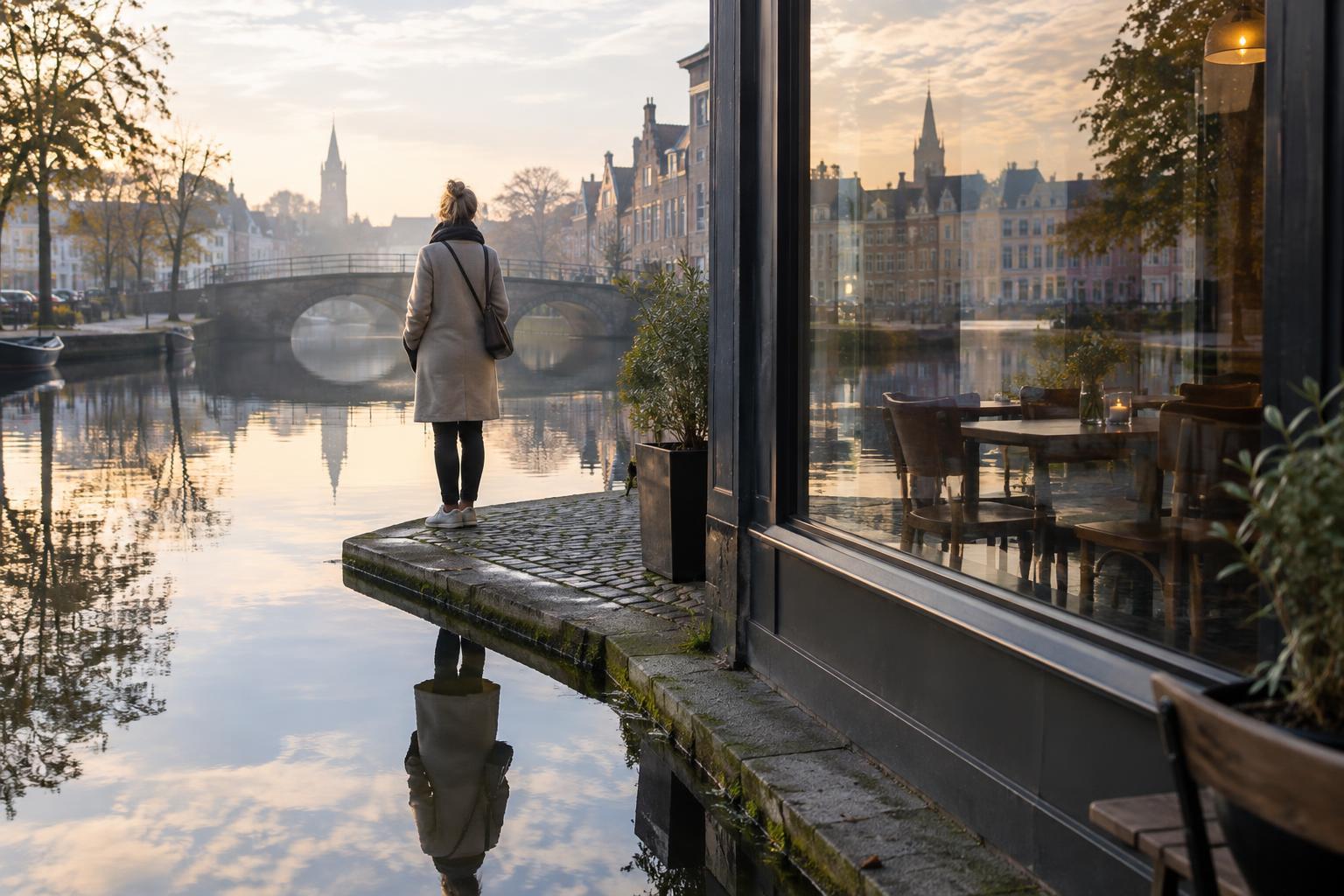
Examine how objects relate to one another. Do shadows appear to fall in compatible directions? Do perspective, scale and depth of field make sense for the apparent scene? Look at reflections, contact points and occlusion: an object resting on a surface might cast a contact shadow, while something behind another object should be hidden where the two overlap. A discrepancy can suggest a question worth pursuing, but real scenes can contain multiple light sources, reflective surfaces and unusual angles.
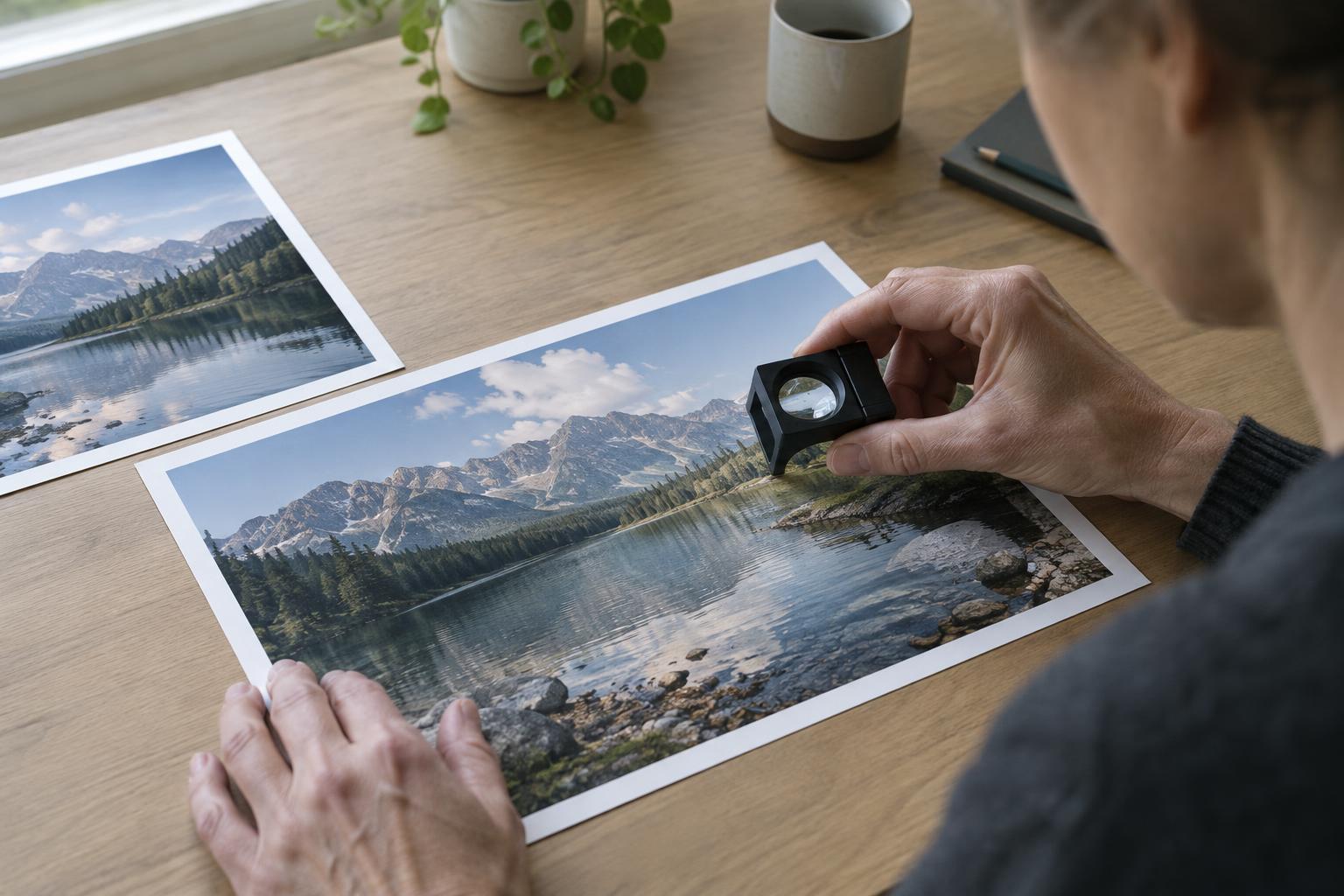
Edges are another place to look. A halo, abrupt change in sharpness or repeated texture near an outline may be consistent with cutting and blending. Yet similar effects can come from in-camera processing, selective focus, motion, sharpening or low-quality compression. Compare several parts of the image rather than treating one suspicious boundary as decisive. If you enlarge a small file far beyond its original size, you may mainly be studying enlarged artifacts.
Check the file and its available history
If you can obtain the original file or a version close to it, compare that with the circulating copy. Note differences in cropping, color, resolution and visible details. File metadata may offer clues about capture or editing, but it can be removed, changed or lost during sharing. Its presence does not prove authenticity, and its absence does not prove manipulation. Likewise, software-based image analyses can help locate areas to inspect, but their outputs need interpretation rather than automatic acceptance.
Trace where the image appeared and how it was described. Captions, credits and surrounding text may clarify whether it was intended as an illustration. Search for earlier appearances or related frames if those are available to you. A wider frame or another image from the same sequence might explain an odd-looking detail; it might also show that an element was added. Keep a record of which version supports each observation so that clues from different copies do not get mixed together.
Consider explanations other than compositing
An image can mislead without being a composite. A tight crop can omit important context; a caption can assign the wrong place or meaning; an authentic photograph can be reused to illustrate an unrelated claim. Color adjustments and local edits can change emphasis without adding an object. If the question is whether the image accurately represents a particular event, checking the claim around it matters as much as checking its visual structure.
At the same time, a convincing-looking image is not necessarily an unaltered one. Skilled compositing may leave few obvious visual clues, especially in a small copy. Rather than trying to “prove” authenticity by finding no errors, ask what evidence would distinguish the possible explanations. An original file, a clearly documented publication history or independent views of the scene may be more useful than another round of zooming in.
Match your conclusion to the evidence
State what you can observe, what you have checked and what remains unknown. “The edge looks unusual in this compressed copy” is narrower than “The image is fake.” If several independent clues point toward compositing, you can describe that pattern while still noting limitations. If the available image is too small or its history cannot be traced, “I cannot determine whether it is a composite” is a useful conclusion, not a failed investigation.
Be especially careful before sharing an accusation about a photographer, publisher or person shown in an image. A mistaken claim can travel farther than a later correction. When you discuss a suspected composite, identify the exact version examined and the claim it accompanied. The goal is not to win a quick visual guessing game. It is to help others understand what the image can support, what it cannot support and what further evidence would change your assessment.