Why your position matters
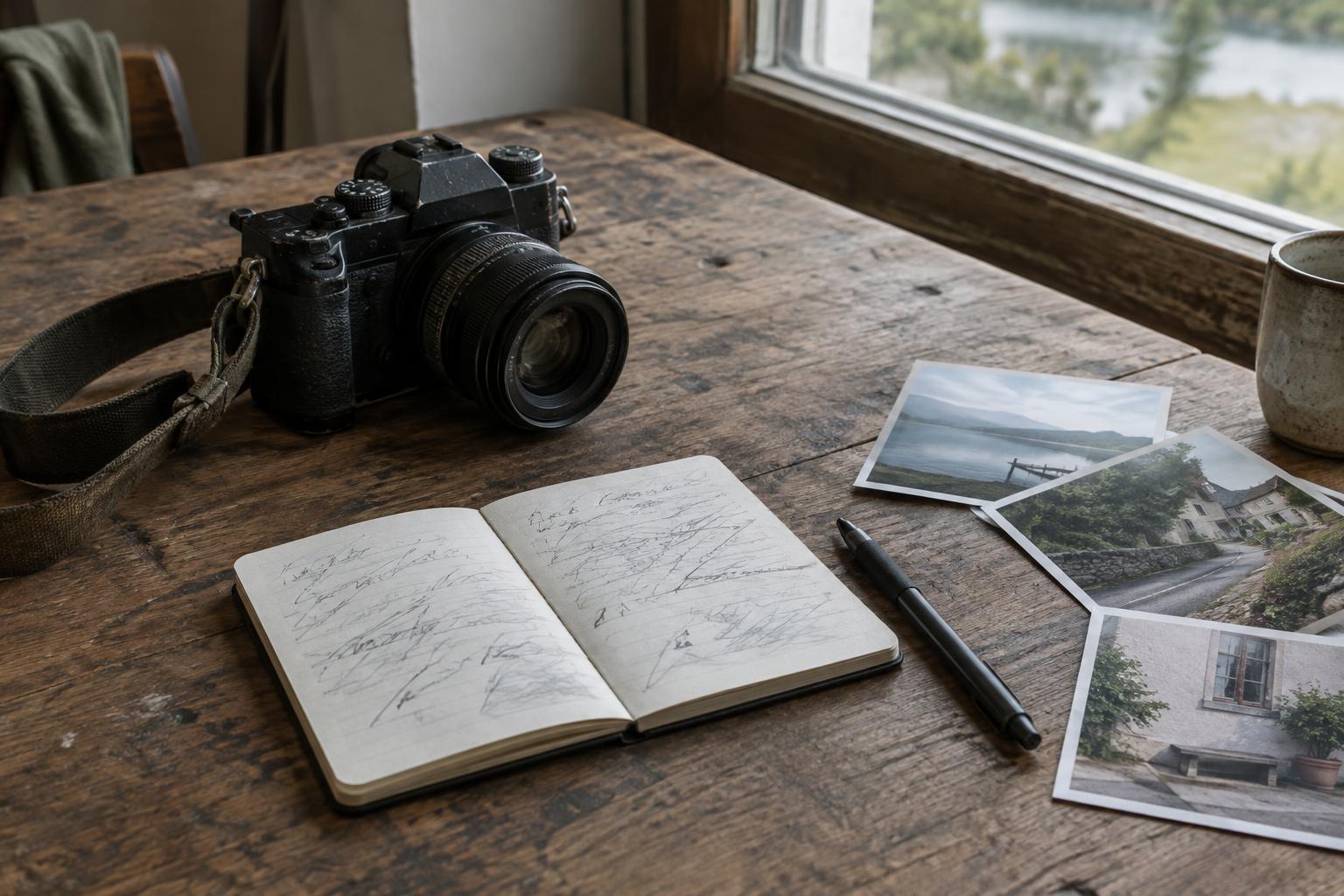
A documentary image may look like a direct view of an event, but it is also the result of decisions. Someone chose where to stand, when to press the shutter, whom to follow and which frames to publish. Explaining those choices helps viewers understand what the work can show—and what it cannot. The goal is not to apologize for having a perspective or to claim that a disclosure makes the project objective. It is to give people enough context to interpret the images carefully.
Start with a simple question: Why were you there? You might be documenting a place you know well, following a subject who invited you in, or learning about an unfamiliar setting. Each position brings different access and blind spots. Familiarity can reveal details a visitor might miss; it can also make ordinary assumptions harder to notice. A short project statement can name your connection to the subject without turning the work into a story primarily about yourself.
Make your role clear to the people you photograph
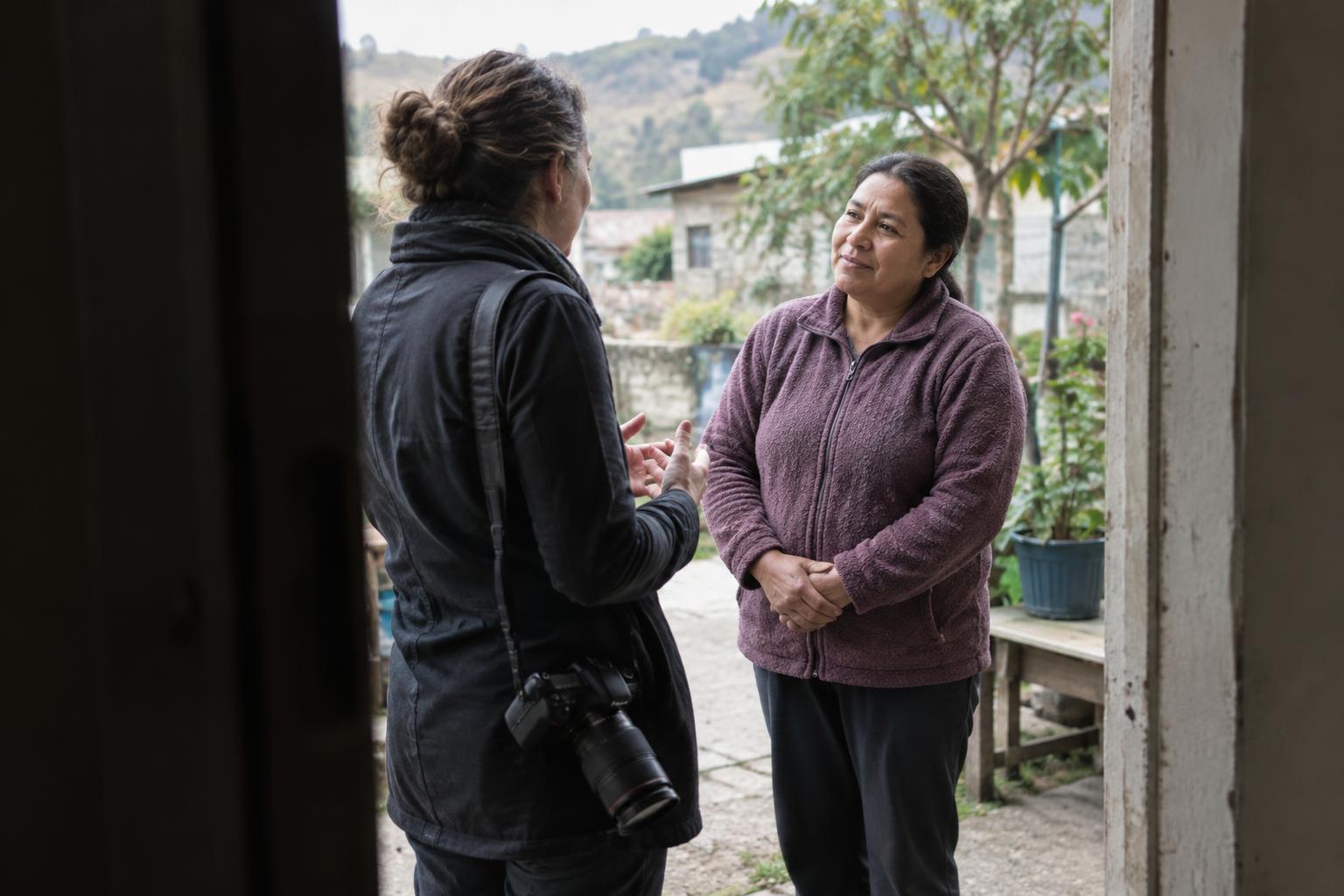
Before making pictures, explain your purpose in terms a person can understand: what you hope to photograph, how the images might be used and whether you expect to share names or identifying details. Avoid promising an outcome you cannot guarantee, such as a flattering portrayal or complete control over publication. If the project changes direction, return to the conversation rather than treating an earlier explanation as permission for every new use.
Pay attention to the difference between being allowed into a space and being understood by everyone in it. An organizer may welcome you, while another person present may have no idea why a camera is pointed toward them. In sensitive situations, consider whether a photograph is necessary, whether a less identifying frame could serve the story, or whether it is better to put the camera down. A person's willingness to speak does not automatically mean they want to be photographed.
Describe access and its limits
Access shapes a documentary project as much as camera settings do. If you attended only public gatherings, say so rather than implying you witnessed private conversations. If you spent time with one household or organization, acknowledge that your account follows that vantage point. You do not need to list every missed moment, but you should avoid presenting a narrow view as a complete picture of a community or issue.
A useful explanation distinguishes what you observed from what someone told you and what you inferred. In captions and accompanying text, describe visible actions specifically. If a person's motive matters but is not known, do not supply one from a facial expression or gesture. When context comes from a subject's account, attribute it plainly. These habits make uncertainty visible without making the writing cumbersome.
Show how your choices shaped the finished story
The final sequence is not the same as the time you spent photographing. You may have made many frames and selected only a few. In an introduction or editor's note, explain the choices that substantially affect interpretation: whether scenes were arranged for the camera, whether a portrait was directed, or whether the sequence combines visits made at different times. A posed portrait can belong in documentary work, but it should not be presented as an unobserved moment.
Editing deserves the same honesty. Cropping, tonal adjustments and image order can clarify a story, but they can also change its emphasis. Consider what a viewer might reasonably assume from the presentation. If an omission or rearrangement would create a misleading impression, revise it or explain the decision. Transparency does not require publishing every frame or exposing private material; it requires accounting for choices that matter to the meaning of what you publish.
Keep the explanation useful and proportionate
Place essential context where viewers will encounter it: a brief introduction, clear captions or a concise note about methods. You can cover four questions: What brought you to the subject? What access did you have? How did people understand your role? What important limits or interventions should viewers know about? Use specific language instead of a broad claim that you have been transparent.
Before publication, read the project as someone with no knowledge of your process. Could they mistake a staged scene for a candid one, an individual's experience for a whole group's, or your interpretation for an established fact? Then consider whether your explanation reveals information that could unnecessarily expose a subject. The strongest account gives viewers a fair way to assess your perspective while keeping the people and events—not your statement of intent—at the center.