Start with the photograph you have
A shared photograph may arrive as a screenshot, a cropped social post or an image saved without its caption. Before searching, record what you can see: any visible credit, watermark, headline, account name or text beside the image. Note where you encountered it and what the accompanying post claims. Keep those details separate from what the photograph itself shows.
Save a copy or take a screenshot of the shared version if you can do so without exposing someone’s private information. The surrounding text may change or disappear, and it can help you compare claims later. Do not assume that a watermark identifies the first publisher; it might belong to an account that added its own branding to a repost.
Search for matching and earlier versions
Use a visual search tool to look for pages containing the same photograph. If your first search returns few useful results, try another tool or search with a different crop. Removing a border, caption or overlaid text can help a tool recognize the underlying image. Conversely, searching the full screenshot may reveal the exact post from which it was taken.
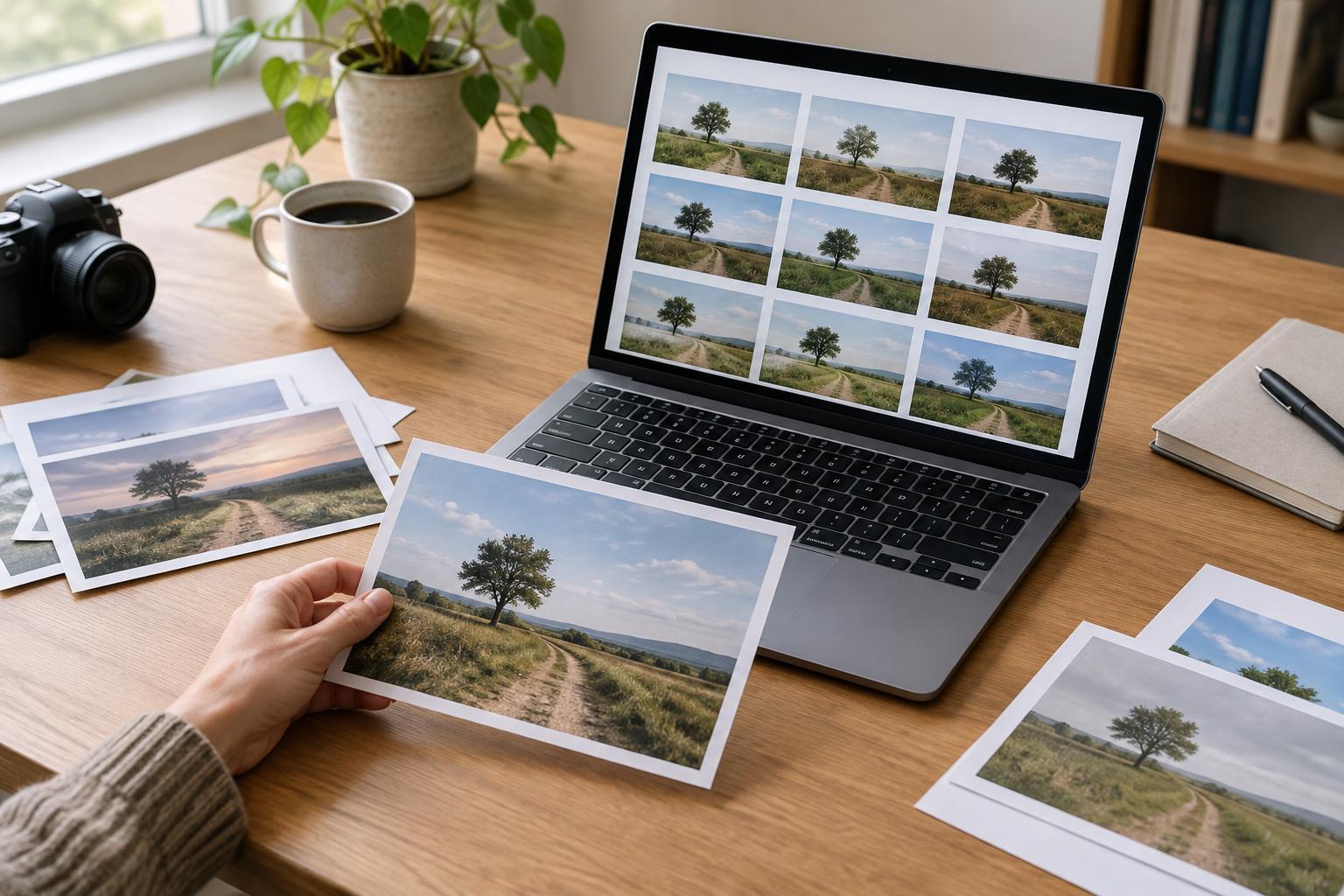
Compare results carefully. A close match may be flipped, color-adjusted or cropped, while a different photograph of the same scene is not the same image. Look for a less-cropped version and compare distinctive details near the edges. A wider frame can provide clues about where the photograph appeared, but it does not by itself establish who published it first.
Search any names, captions or distinctive phrases visible in the image or shared post. Date filters can narrow a large set of results, but search engines do not index every page, and the date displayed in a result may not be the date the photograph was first published. Treat an early result as a lead to investigate, not a final answer.
Inspect the page, not just the search result
Open promising results and read the page around the image. Check the publication name, byline, image credit, caption and article text. Does the page present the photograph as its own work, credit a photographer or agency, or say it was supplied by another organization? A news article that uses an image may not be the image’s original publisher.
Follow explicit credit lines where possible. A photographer’s portfolio, an agency listing or a publication’s original story may offer a clearer account of the photograph than a reposted thumbnail. Compare the full image and caption across pages. If a page labels a photograph as illustrative or archival, that detail may explain why it appears alongside a story about a different event.
Look for consistency rather than relying on a single clue. An apparent publication date, a detailed caption and an identifiable credit are stronger together than any one of them alone. Page dates can change after updates, and captions can be copied. If an article links to an earlier source, follow the link and check whether it contains the same photograph.
Distinguish origin, publication and ownership
“Original source” can mean several things: the person who made the photograph, the first place it appeared publicly, or the publisher responsible for a particular caption and story. Decide which question you need to answer. Finding the photographer does not necessarily establish who first published the image, and finding an early publication does not prove that publisher owns the rights.
Image metadata, when available, may contain useful clues such as a creator name or capture information. It is often removed by platforms and can be edited, so its absence proves little and its presence still needs corroboration. A screenshot usually tells you even less about the underlying file. Give greater weight to a trail of consistent credits and publication context than to one isolated metadata field.
State what you can verify
Once you have compared plausible sources, describe the result precisely. You might say that the earliest version you found appears on a particular publisher’s page, or that a page credits a named photographer. Avoid calling it the first publication unless the available evidence supports that conclusion. Some originals may have been printed, posted privately or removed from the web.
If you plan to share the photograph, link to the most informative source you found and preserve its caption and credit in your description. A correct attribution does not automatically grant permission to reuse an image. When the trail remains uncertain, say so. Tracing a photograph is not only about finding a name; it is about giving readers enough context to judge what the image does—and does not—show.