Record what the file cannot explain
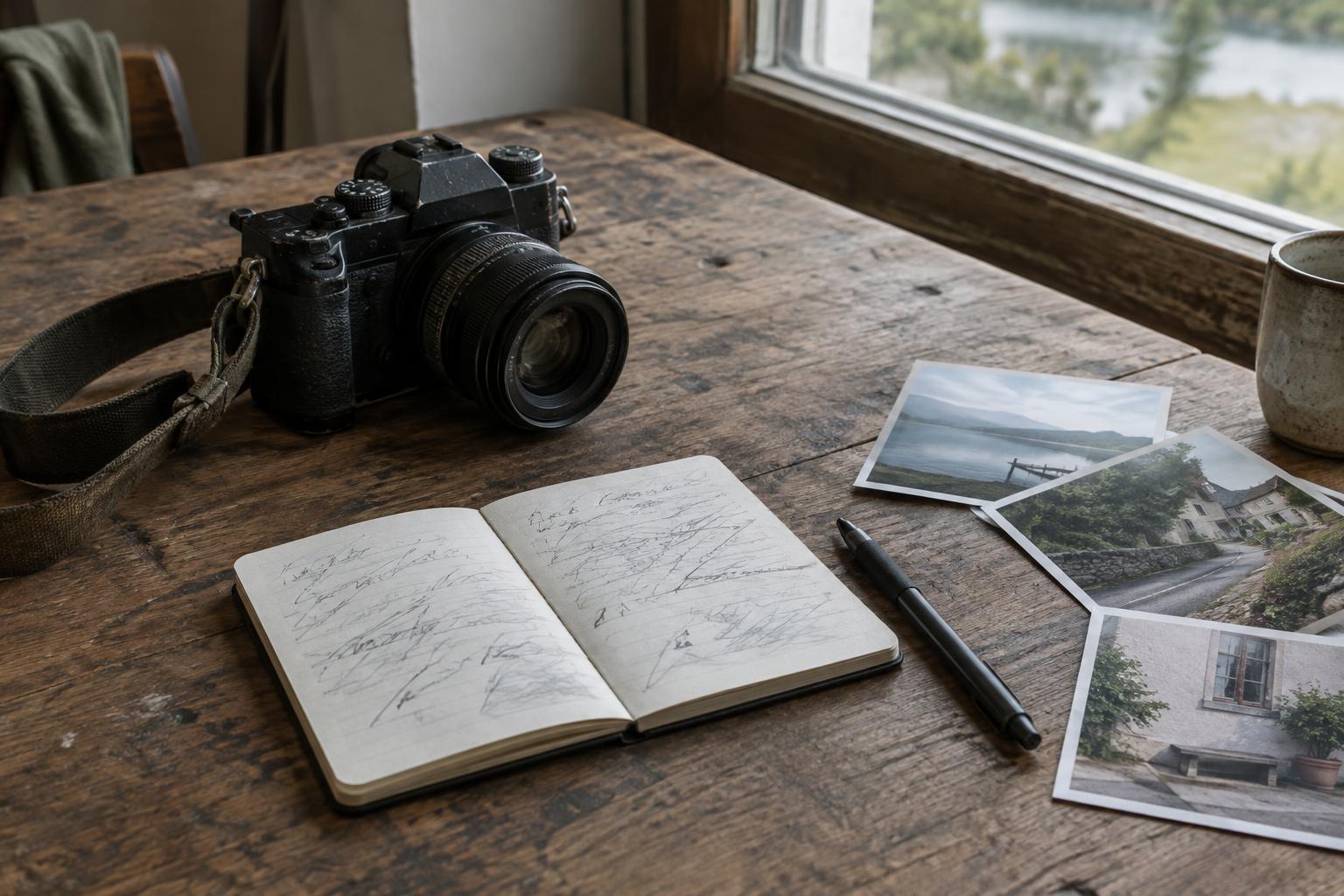
An image file can show where the camera was pointed, but it may not explain what happened just outside the frame. Before editing, record the details you will need to identify and describe the photograph later. Useful notes may include the subject’s name, the location, the occasion, and any uncertainty about what the image depicts. Write down what you know rather than filling gaps with plausible guesses.
Keep those notes close to the original files, whether in a catalog, a caption field or a clearly named text document for the shoot. If a detail is unconfirmed, label it as unconfirmed. A working caption can change as you check information; the aim at this stage is to preserve context while it is still easy to recall. This is especially valuable when several frames look similar or when you return to a project after time away.
Treat metadata as part of the workflow, not a guarantee
Editing applications often provide fields for captions, keywords, creator information and other descriptive metadata. These fields can make a library easier to search, but they are useful only if you enter consistent information and check where the application stores it. Depending on the software and file type, metadata may be written into a file, stored in a companion sidecar file or kept in an application catalog.
Choose a small set of fields you can maintain reliably. A short, factual caption and a few consistent keywords are more useful than an elaborate system that you abandon halfway through a project. Use names and terms consistently, and distinguish a person’s identity from a visual description if you have not confirmed who they are. Camera-generated details, such as timestamps or location data, can be helpful clues, but they should not be treated as proof: camera clocks can be wrong, and location information may be absent or imprecise.
For sensitive work, consider what information should travel with a shared image. A location or identifying detail that helps your private archive may be inappropriate in a public file. Keeping a complete internal record does not mean publishing every field.
Check what survives each handoff
Context can be lost when you move photos between applications or create smaller versions for delivery. An export preset may omit metadata, and a platform may display only a filename or strip information after upload. Instead of assuming a caption has followed the image, test the path your files will actually take.
Export one representative photo, then open the exported file independently of your editing catalog. Check its filename, visible appearance and available metadata. If captions will be supplied separately, make sure the caption list points unambiguously to the right files. Stable filenames or identifiers help prevent a description from being attached to the wrong frame when images are reordered.
Think of the final delivery as a pair: the image and the information needed to use it responsibly. For a small set, that may mean a clearly labeled caption document alongside the exported files. For a larger collection, it may mean structured metadata and a separate list that someone else can read without access to your editing software.
Make a final accuracy pass
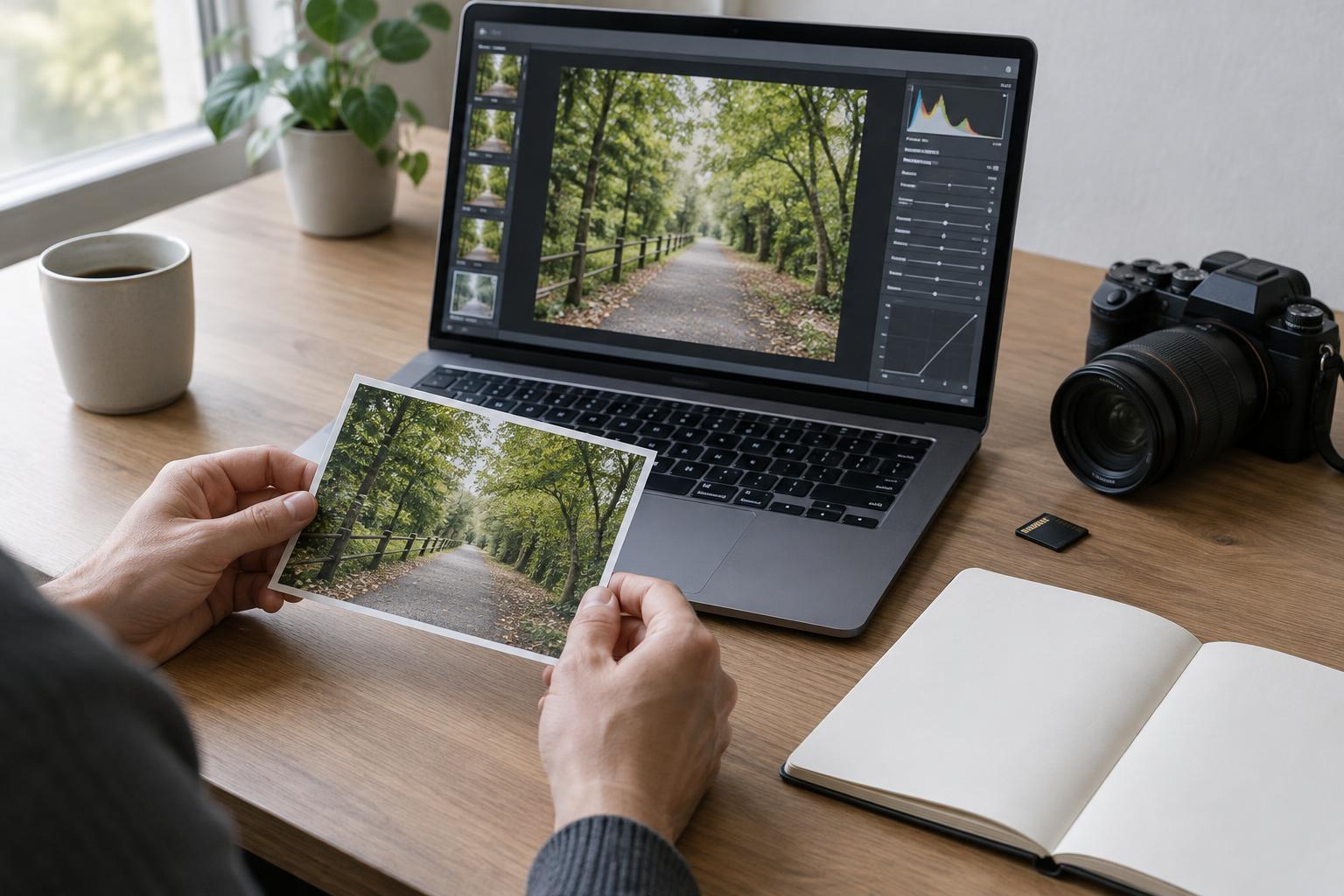
Before sending or publishing, review captions against the final images rather than against your memory of the shoot. Cropping can change what a sentence appears to describe, and selecting a different frame can make a previously accurate caption misleading. Check names, locations and actions; remove any statement the photograph or your notes cannot support.
Also review the relationship between edits and description. A caption should not imply that a moment was spontaneous if the image was staged, or that separate moments occurred together if they did not. If an alteration changes the meaning of a documentary image, consider whether it is appropriate to use that version at all. A clean edit is not a substitute for an accurate account.
Save the approved captions and final exports together in an organized delivery location while retaining your working notes and originals separately. This gives you a practical reference if a correction is needed later. The goal is not to embed every possible detail in every file; it is to make the route from photograph to description clear enough that another person can follow it without inventing the missing context.