Decide what you are there to observe
An undirected photograph is not an unplanned photograph. Before raising the camera, identify the activity you want to understand: how a shared space is used, how people carry out a task, or how an event unfolds. A clear question helps you pay attention without asking anyone to repeat an action, move into better light, or perform a feeling for the lens.
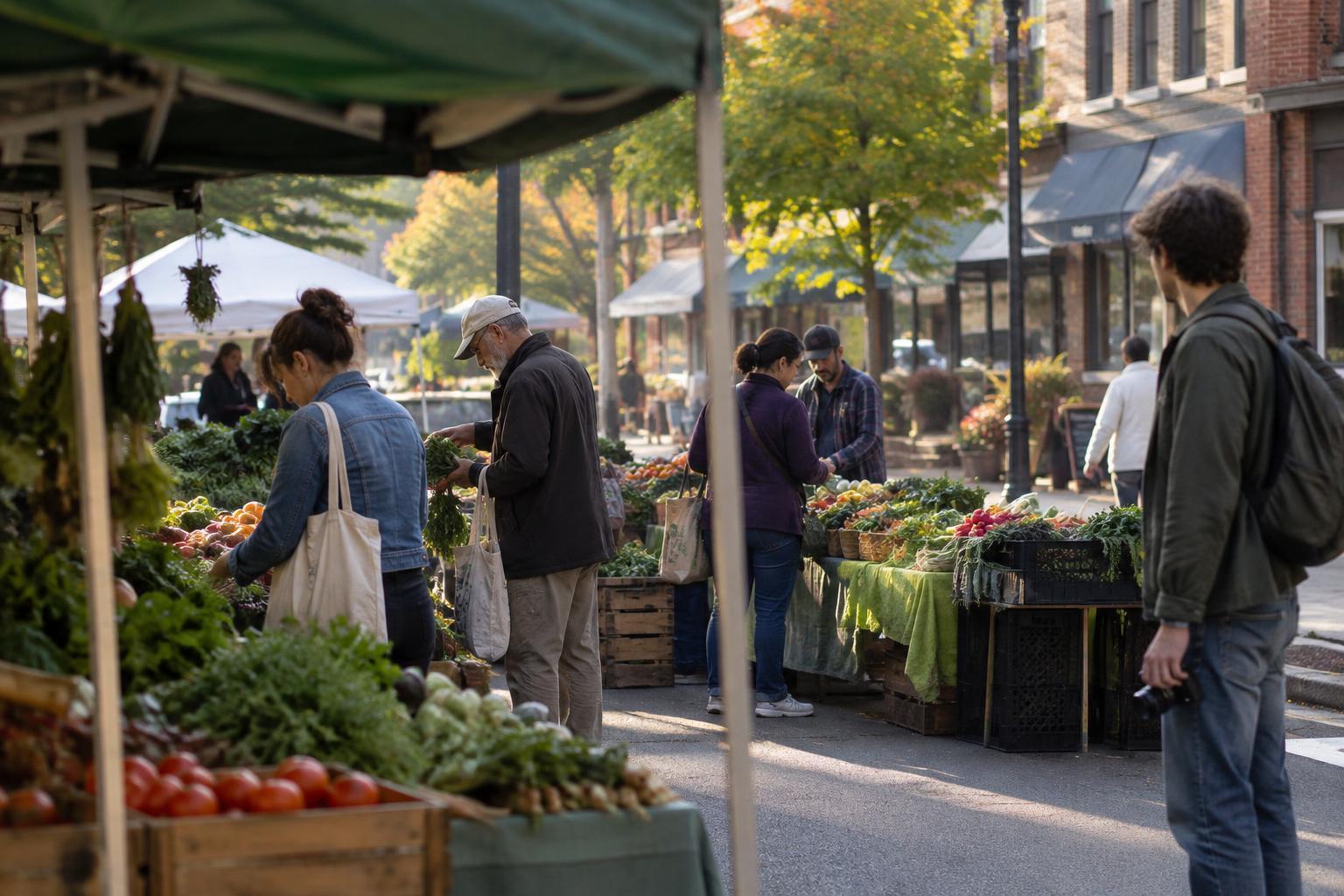
Spend time watching the rhythm of the scene. Notice where people enter and leave, which gestures recur, and what changes over time. A single expressive instant may be compelling, but it may not represent the broader activity. Observation gives you a better basis for deciding when to photograph and when to keep watching.
Choose a position, then let events happen
Every camera position shapes what a viewer can see. Start with a place that gives the activity room to develop without putting you in someone’s path. A wider view can establish the setting and relationships between people; a closer view can reveal a gesture or detail. Neither is automatically more truthful. The useful question is what each frame includes, excludes, and emphasizes.
Moving constantly can draw attention and change how people behave. When it is appropriate to photograph, try staying in one position long enough to learn what happens there. Watch the edges of the frame as well as the main subject. If the background makes an ordinary action appear dramatic or creates a misleading connection between people, adjust your viewpoint or wait for a clearer moment. You are still making compositional choices, even when you do not direct anyone.
Anticipate without manufacturing a moment
Anticipation comes from noticing patterns, not scripting outcomes. If people repeatedly gather around a work surface, you can prepare a frame that shows their interaction and wait to see what happens. If nothing meaningful happens, there is no obligation to make it happen. Do not ask for a gesture again and present the result as an unprompted moment.
Keep a mental distinction between what you saw, what you inferred, and what you hope a photograph will convey. Someone looking away may be distracted, tired, or simply glancing elsewhere; the image alone rarely settles the question. Photograph observable actions and relationships, and resist building a story around an expression you cannot explain. Taking notes afterward about the sequence of events can help you check your interpretation when you edit.
Work respectfully, even when the scene is visible
Being able to see a moment does not always make photographing or publishing it considerate. Think about whether a person might be vulnerable, whether the setting carries an expectation of privacy, and whether the image could expose someone to unwanted attention. If someone objects, respond calmly and reconsider the photograph rather than treating access to the scene as permission to ignore them.
Your presence may influence events even when you give no instructions. People may become self-conscious, look toward the lens, or change their behavior. Notice those effects instead of assuming you are invisible. In sensitive situations, putting the camera down can be the most responsible choice. When a project calls for a posed portrait or a reenactment, those methods can be useful too, but they should not be confused with candid observation.
Edit for context, not just impact
An observational story is shaped again when you select and order images. Review the full sequence before choosing the most striking frame. Look for photographs that establish the setting, show the activity, and clarify how people relate to one another. If an image depends on a viewer assuming a conflict, emotion, or outcome that you did not witness, it may need more context or may not belong in the story.
Write captions that distinguish visible facts from interpretation. Describe an action you can identify rather than assigning a motive from a facial expression. Avoid cropping that removes context essential to understanding what happened, and keep your edits consistent with the scene you recorded. The aim is not to pretend you made no choices. It is to make choices that help viewers understand what you actually observed.