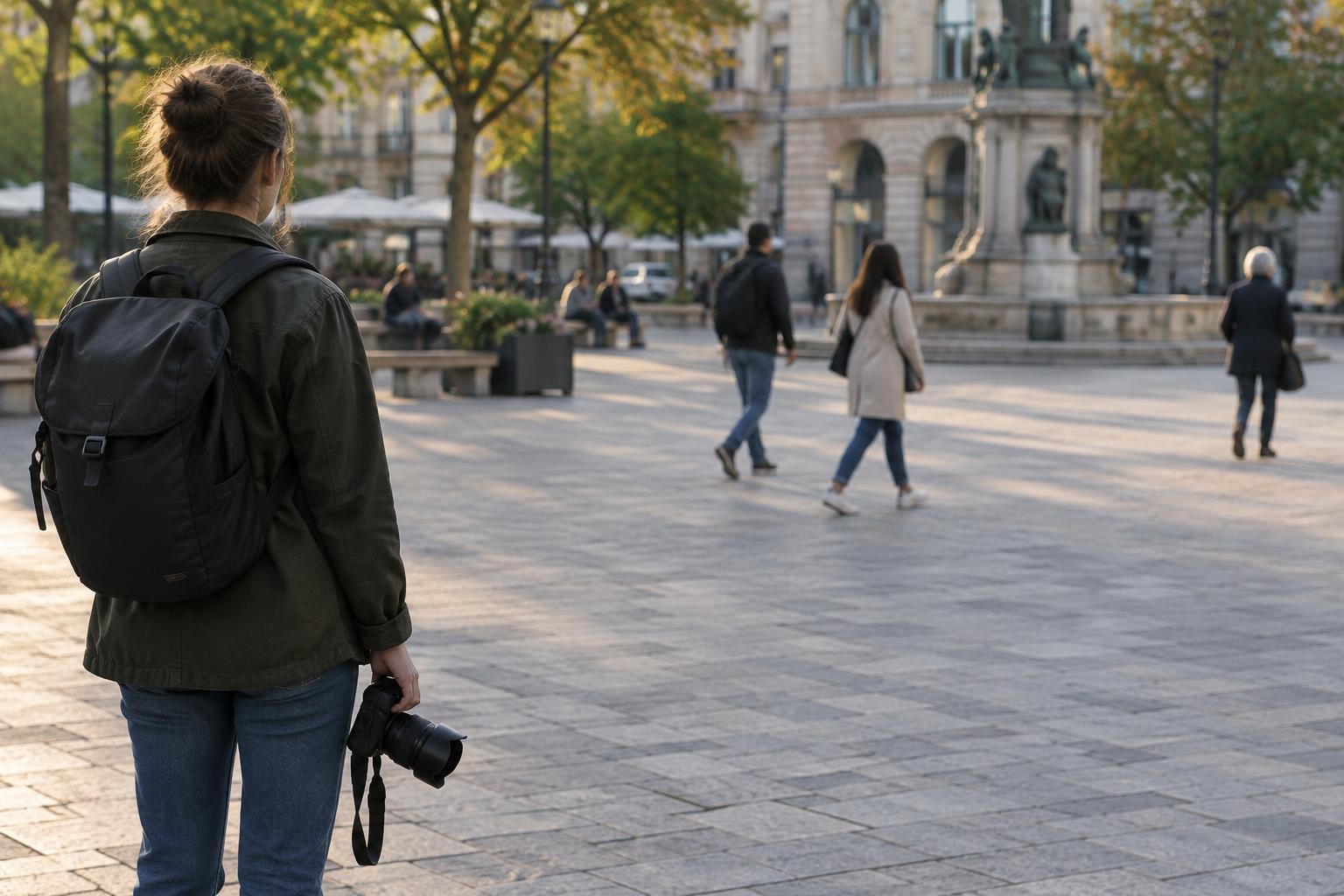
Permission is a starting point, not the whole decision
A public place can feel open to everyone, but access to a place is not the same as unrestricted permission to photograph every person there. Rules differ by location and by the setting: a sidewalk, transit system, market and ticketed event may each raise different questions. How an image will be used can matter, too. Before a project, learn the rules that apply where you will work, including any venue policies. If the boundaries are unclear, seek reliable local guidance rather than assuming that a general rule applies everywhere.
Even when a photograph is permitted, an ethical question remains: what could making or sharing it do to the person pictured? Documentary work is not only about what the camera can capture. It also involves choices about attention, timing, framing, captions and audience. Treat permission as one consideration in a wider decision, not as proof that an image is fair.
Read the situation before raising the camera
Start by asking what story you are trying to tell and why a recognizable person needs to appear in the frame. A wide view may convey the character of a place without making one passerby the subject. If a person’s identity is central, consider whether you can introduce yourself and explain the project. A clear, ordinary explanation gives someone a meaningful chance to respond; a vague claim that you are “just taking pictures” does not tell them much.
Pay attention to signals that a person does not want to be photographed. Turning away, covering a face or asking you to stop should prompt you to pause, even if you believe you are allowed to continue. When approaching someone could interrupt an unfolding moment, you may have to decide without a conversation. In that case, ask whether the image’s value justifies taking it and whether you could make the point in a less intrusive way.
Give vulnerability and power extra weight
A camera can amplify an unequal encounter. Someone who is distressed, receiving assistance, working under pressure or unable to leave easily may have little room to refuse. Children and people in sensitive situations deserve particular care. Visibility in public does not mean a person expects to become the identifiable subject of a widely shared story.
Consider what the image might reveal beyond the event you intended to document: a face, a location, a relationship or a difficult moment that could follow someone online. Avoid treating visible hardship as a shortcut to an emotional photograph. If the story can be told through details, surroundings or a broader scene, those approaches may reduce harm while preserving meaning. If an identifiable image is essential, take more time to consider how the person is represented and what opportunities they have to understand the project.
Separate taking a picture from publishing it
The decision to make an image is not the final decision. Review photographs later, away from the pressure of the moment. Look beyond sharpness and composition: could a crop make an ordinary interaction appear confrontational? Could a single gesture misrepresent what happened? Would a viewer draw an unsupported conclusion about the person pictured?
Write captions that state only what you can establish. Do not invent a subject’s thoughts, circumstances or motives from their expression. If context is missing, say less or choose another image. Think about where the photograph will appear and how easily it may be copied or detached from its caption. Sharing to a small group, publishing on a website and distributing an image for promotional use are different choices; an earlier decision to photograph does not automatically justify each later use.
Build a repeatable practice
Before going out, define the purpose of the project, check applicable rules and decide how you will introduce yourself when conversation is possible. While photographing, remain aware of who has room to decline and who may feel pressured to cooperate. If someone objects, listen rather than turning the exchange into an argument about your rights. You can explain what you are doing and consider whether another frame would serve the story just as well.
During editing, revisit the images with fresh questions: Is the subject necessary? Is the portrayal accurate? Could identification create a foreseeable problem? What context will a viewer need? There may not be one answer for every scene. A consistent process, however, makes it less likely that speed, excitement or a technically strong frame will make the ethical decision for you.