Start with a question, not a conclusion
Documentary planning is not the same as deciding what a story will prove. A useful starting point is a question you can explore with a camera: How does a community garden prepare for its busiest day? What does a repair worker’s routine reveal about the job? A question gives you direction without requiring the people you photograph to behave as expected. Write down what you know, what you assume and what you still need to learn. Keeping those lists separate makes it easier to recognize when reality challenges your initial idea.
Next, consider what a viewer would need to understand the situation. Identify the people, places, activities and relationships that may matter, while treating your list as a guide rather than a promised sequence. If the main activity turns out to be less important than the preparation around it, you can follow that discovery. The goal is to arrive attentive, not to arrive with a finished narrative waiting for illustrations.
Plan access and expectations before you arrive
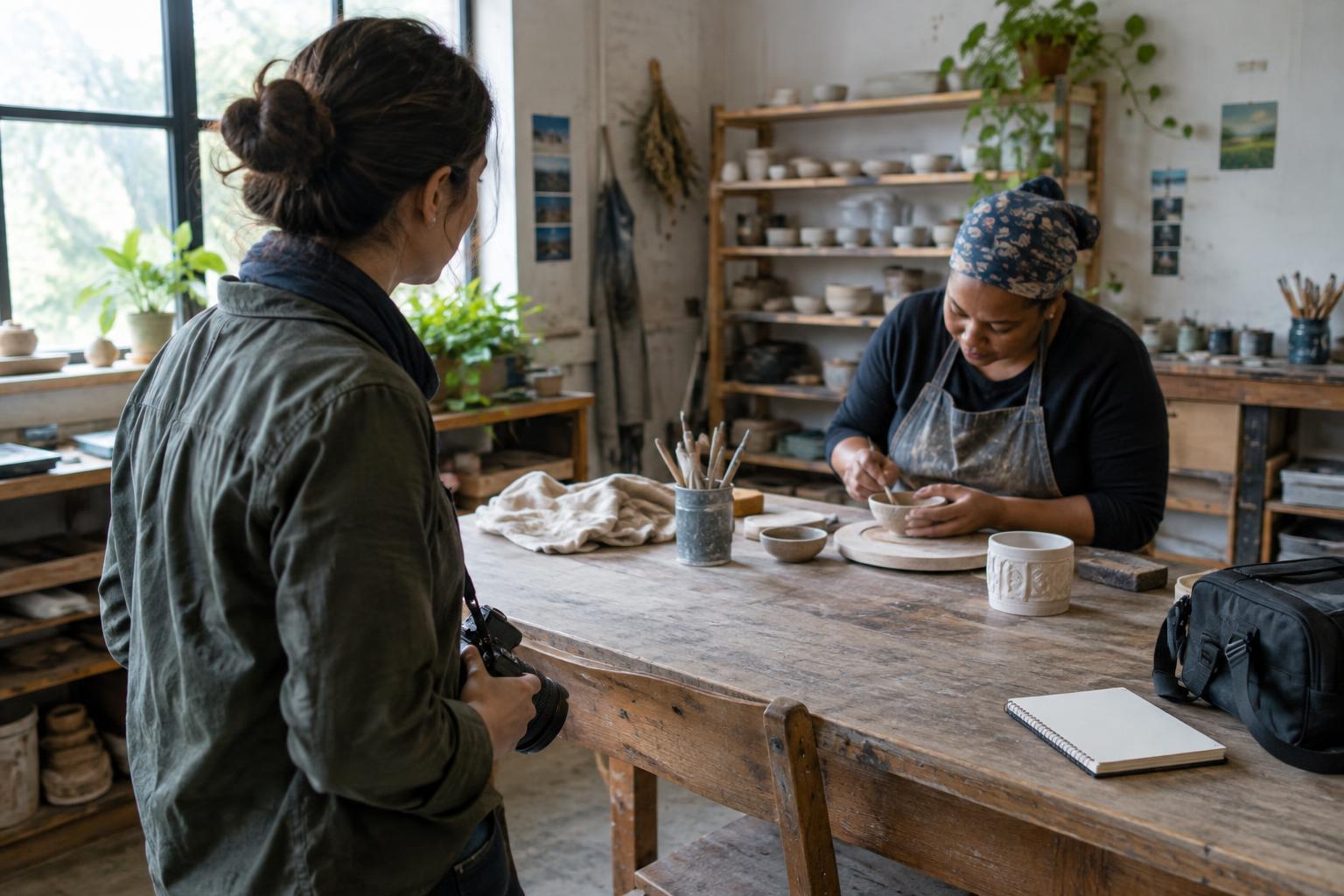
Practical arrangements create room for observation. Confirm where you may work, when meaningful activity is likely to occur, whom to contact and what restrictions apply. Allow time for travel, introductions and quiet periods; an event that takes only minutes to photograph may require hours of patient attention. Bring equipment you can manage without repeatedly interrupting the scene, and check batteries, storage and basic camera settings before the shoot.
Be clear with participants about who you are, what you are making and how the images may be used. Permission to enter a place does not automatically settle every question about photographing the people in it. Pay particular attention to privacy, vulnerability and situations in which someone may feel unable to decline. If a boundary is unclear, pause and ask rather than treating access as an entitlement. These conversations may change your plan, and that is part of responsible documentary work.
Use a coverage list, not a script
A flexible coverage list helps you notice different kinds of evidence. Consider an establishing view that locates the action, wider frames that show how people relate to a space, closer views of gestures and tools, and moments that reveal transitions or consequences. Look for details that are genuinely relevant rather than decorative. A close-up of an object can add texture, but it cannot by itself explain who used it, when or why.
Avoid turning that list into instructions for your subjects. Asking someone to repeat a spontaneous gesture for the camera can make an image appear to show a moment that did not occur in that way. If you need a clearly identified portrait or a demonstration, treat it as such and describe it accurately later. During unfolding activity, move your own position, change focal length when appropriate and wait for meaningful moments instead of directing people to create them.
Build time for listening and revision
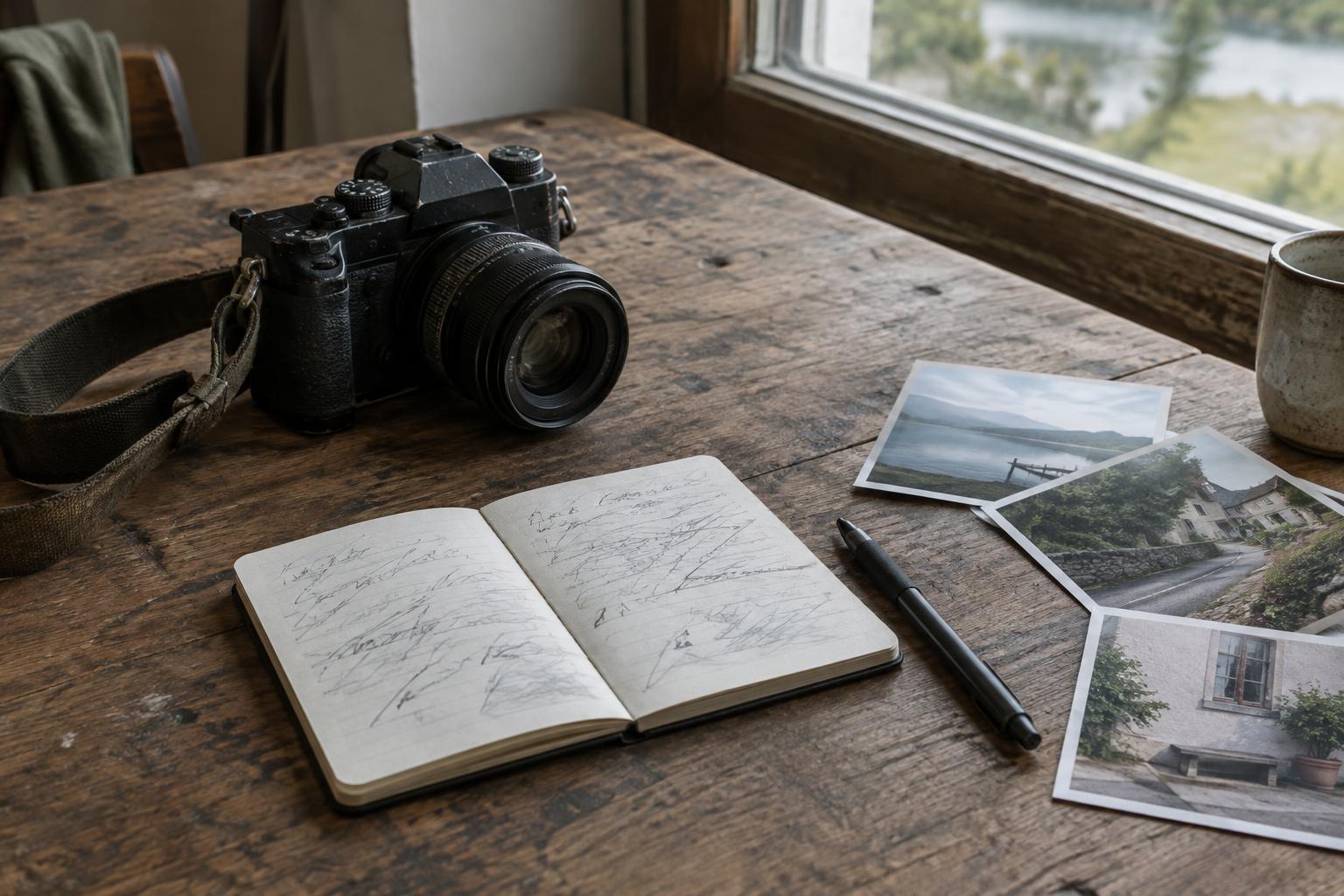
Observation can reveal gaps that a shot list cannot predict. Notice who is absent from the frame, what happens between the obvious highlights and whether the activity means something different to participants than you first thought. When conversation is welcome, ask open questions that help you understand context rather than questions designed to confirm a preferred storyline. Keep brief notes on names, sequences, locations and explanations while they are fresh.
At a natural pause, review your images without deciding the story is finished. Do you have clear views of the central activity but no sense of its setting? Have you photographed one person often while overlooking others who play a significant role? This review should guide where you pay attention next, not prompt you to manufacture missing scenes. Sometimes the most honest outcome is a narrower story than the one you intended.
Protect the story’s accuracy after the shoot
Editing is another stage of documentary planning. Make an initial selection based on clarity and relevance, then examine what the images imply when placed together. A dramatic frame may be compelling on its own yet distort a routine activity if it is presented as typical. Check whether changes of location or time are apparent, and do not arrange a sequence that implies a cause-and-effect relationship you did not observe.
Write captions from verified notes, distinguishing what the image shows from what someone told you about it. Avoid assigning motives or emotions from facial expressions alone. If important context is missing, seek clarification or acknowledge the limit rather than filling it with a guess. A good plan helps you return with useful material; a responsible edit remains open to the possibility that the material tells a different story. Planning gives you the freedom to recognize that difference and represent it faithfully.