What changes when a lens can zoom?
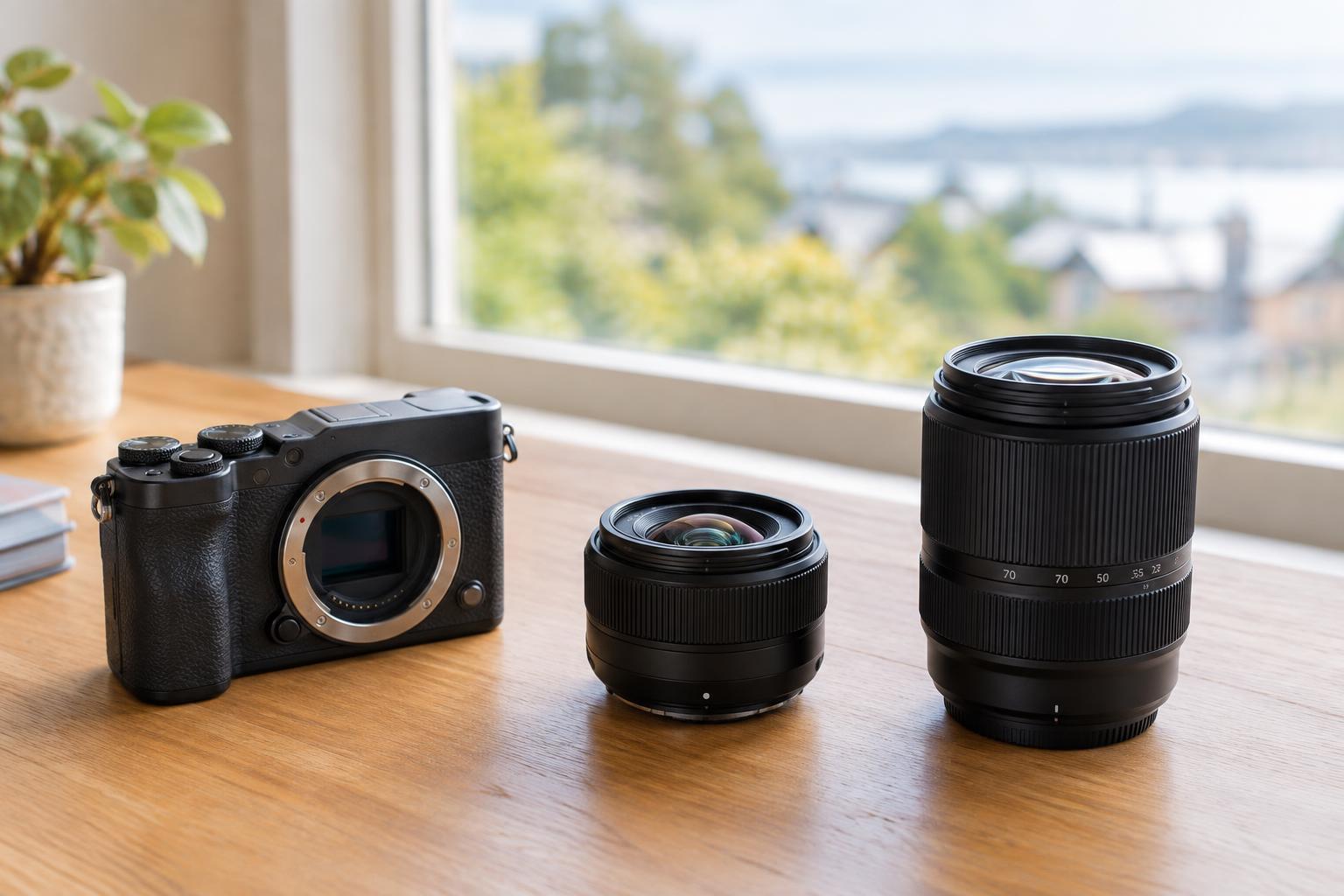
A prime lens has one fixed focal length. A zoom lens lets you select from a range of focal lengths without changing lenses. Focal length affects how much of a scene fits in the frame from a given position: a shorter focal length takes in a wider view, while a longer one frames a narrower portion of the scene. The camera’s sensor size also affects the view you get from a given lens, so compare lenses on the camera you use rather than relying on a focal-length number alone.
Neither design automatically makes a better photograph. A zoom can help you frame a subject when you cannot move closer or farther away. A prime asks you to work within one angle of view, which can make you more deliberate about where you stand and what you include. The useful question is not which type wins, but which set of constraints suits your subjects and habits.
Framing and movement
Zooms are convenient when the distance to your subject changes quickly. At an event, on a walk or while photographing family, you can move from a wider scene to a tighter detail without interrupting the moment to change lenses. That flexibility can also help when stepping closer is unsafe, disruptive or simply impossible.
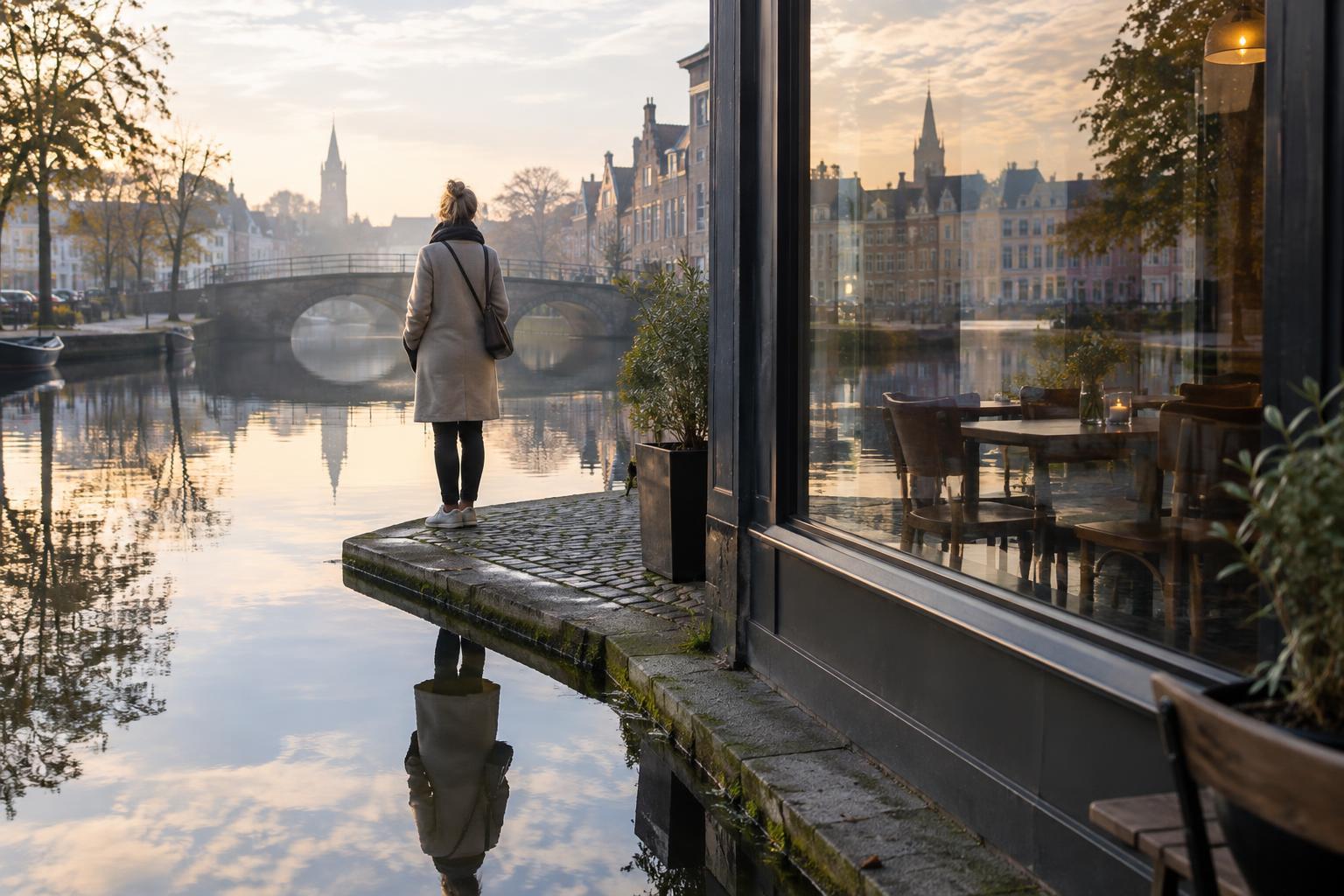
A prime encourages you to notice your position. Moving to find a workable frame can reveal a cleaner background or a more meaningful relationship between people and their surroundings. But moving your feet is not the same as turning a zoom ring. Changing camera position changes the relative appearance of near and distant objects; changing focal length from the same position mainly changes what fits inside the frame. If you want a different perspective, reconsider where you stand, whatever lens you use.
A fixed view can be a useful learning constraint, but it should not become a rule that prevents you from getting the picture. Sometimes the thoughtful choice is to stay out of someone’s way and use the framing available to you.
Aperture, low light and background blur
Many primes are available with wide maximum apertures. A wider aperture lets more light through the lens, giving you options for a faster shutter speed or lower ISO in dim conditions. It can also produce a shallower depth of field, making parts of the scene in front of and behind your focus point appear softer. These are possibilities, not guarantees: subject distance, focal length, sensor size and background distance also affect the result.
Zoom lenses vary widely. Some have a maximum aperture that changes as you zoom; others maintain the same maximum aperture throughout their range. Check the specifications of the particular lenses you are comparing instead of assuming that every prime is bright or every zoom struggles in low light. Image stabilization, where available, can help reduce blur from camera movement at slower shutter speeds, but it cannot stop a moving subject. For people in motion, shutter speed still matters.
Size, cost and everyday handling
One zoom may cover views that would otherwise require several primes, reducing lens changes and the number of items in your bag. That can be especially helpful in dusty or wet conditions, where you may prefer not to expose the camera’s interior while swapping lenses. On the other hand, a small prime can make a camera comfortable to carry for longer and less cumbersome to use. Size and weight depend on the specific lenses, not just their type.
Cost and image quality also resist simple rules. Both primes and zooms come in a range of prices and designs. A lens’s sharpness is only one part of its usefulness; autofocus behavior, close-focusing ability, handling and whether you enjoy carrying it may matter more in daily use. Before buying, confirm that a lens fits your camera mount and provides the framing you expect on your camera.
A simple way to decide
Start with the subjects you photograph most often. If you frequently miss frames because you cannot change your position, a zoom range may solve a real problem. If you usually work at a similar distance and want a lighter setup or more aperture options, a prime may suit you. If you already own a zoom, review your favorite photographs and note which focal lengths you tend to use. That can guide a later prime purchase without guessing what you need.
You can also try a short exercise: set a zoom to one focal length for a walk and leave it there. Make wide views by moving to suitable positions, photograph details you can reach without disturbing anyone, and notice which frames remain difficult. Then use the full zoom range on another walk. Comparing the experience will teach you more about your needs than a general ranking of lenses. The best beginner lens is one that helps you keep practicing, notice your surroundings and make the pictures you intend.