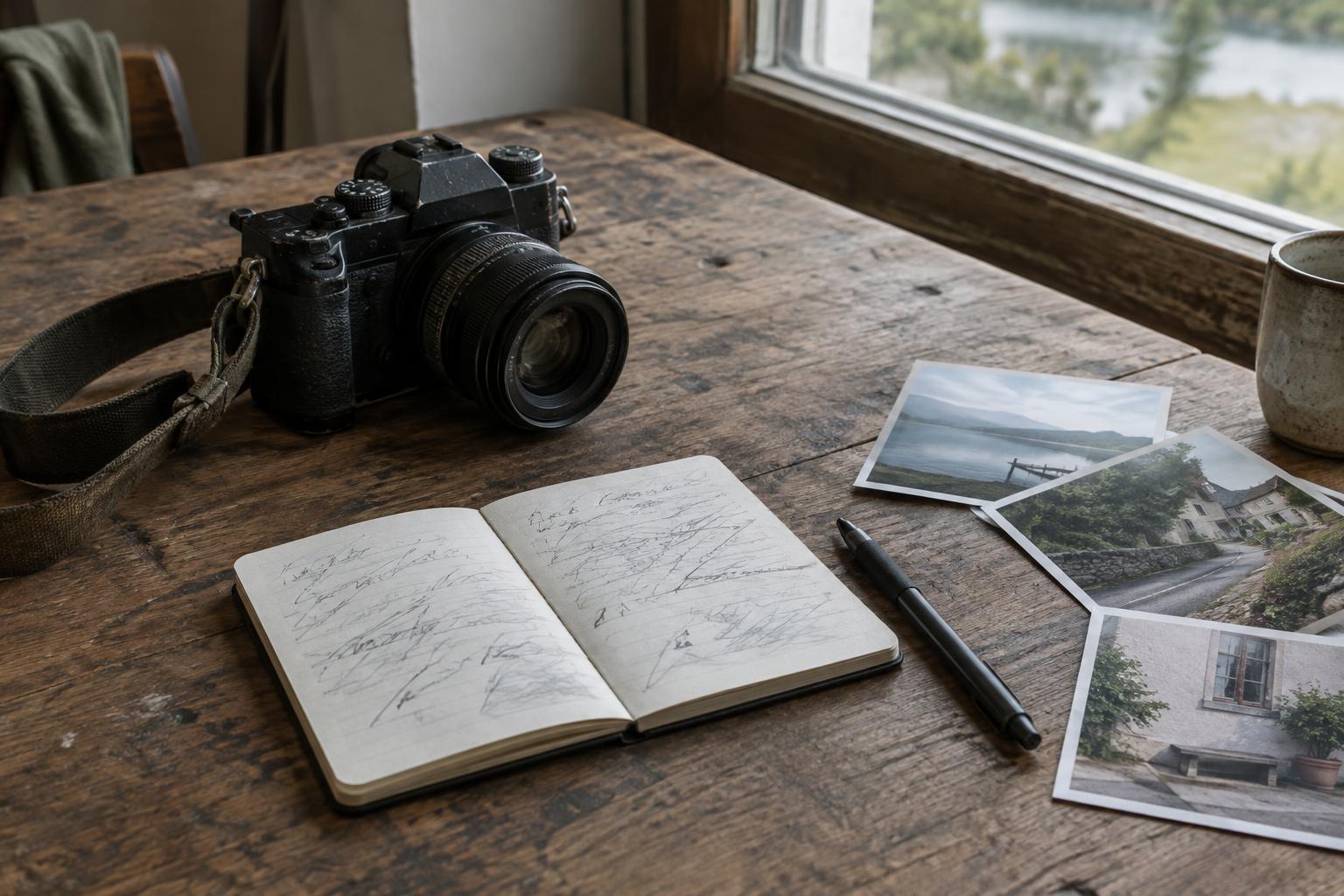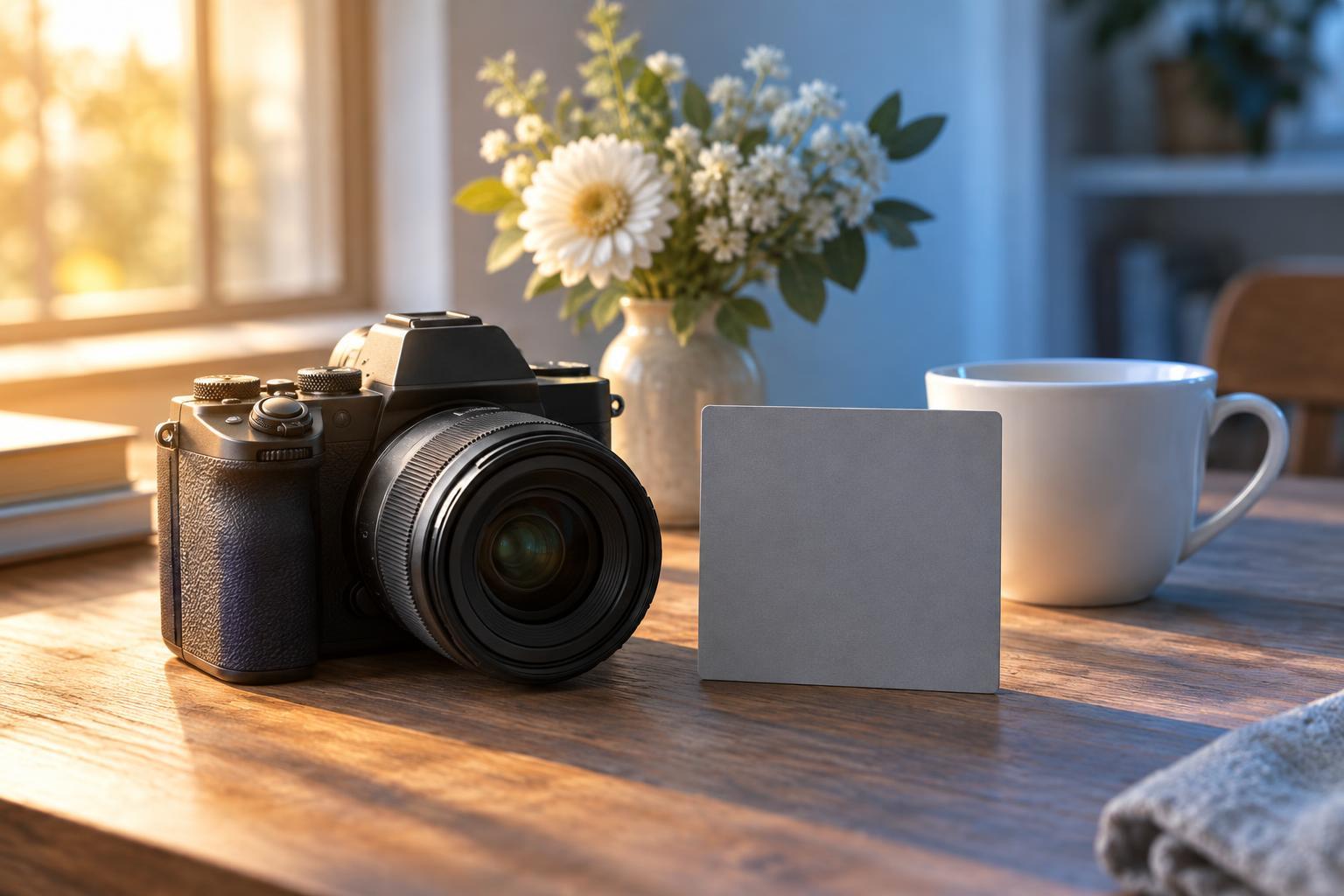
Start with what the frame needs to say
Subject placement affects more than where a viewer looks first. It also changes how the subject relates to the setting, how much movement an image suggests, and which details remain visible. The rule of thirds and centered composition are useful starting points, not competing rules. Neither placement makes a photograph strong on its own.
Before moving the camera, ask what matters most: the subject’s expression, the surrounding place, a relationship between two elements, or a particular shape or pattern. Then look for distractions near the frame’s edges and behind the subject. A small shift in camera position may improve the image more than moving the subject from the center to a grid line.
Use the rule of thirds to give space a purpose
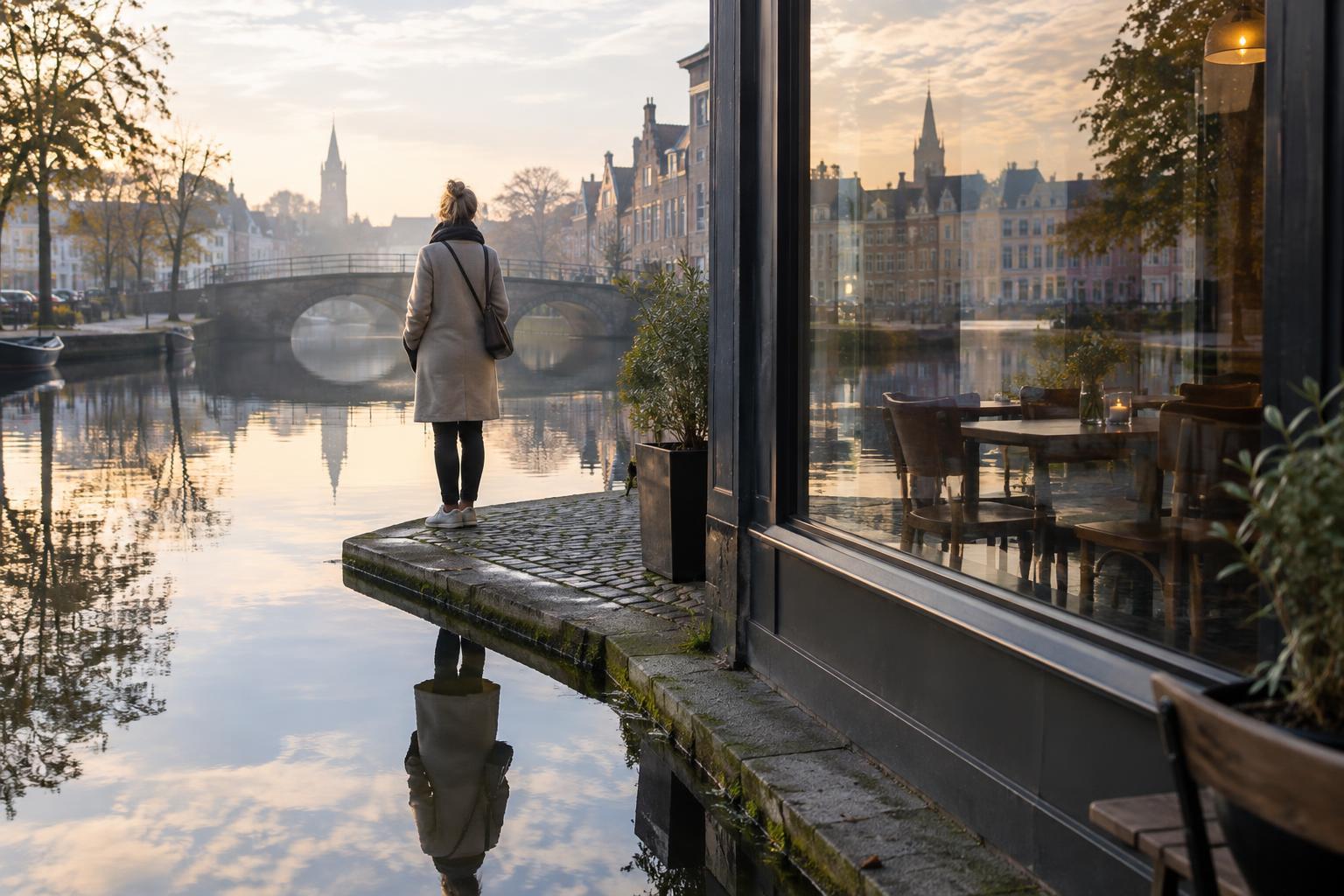
Imagine dividing the frame into three equal parts horizontally and vertically. The resulting lines and intersections offer possible places for a subject or a prominent feature, such as a face or horizon. Positioning a person to one side leaves room for a gesture, another person, or a meaningful part of the environment. It can help a viewer notice both the subject and the context.
Off-center placement is often useful when a subject looks or moves across the frame. Leaving space in that direction can make the composition feel open rather than cramped. For a landscape, placing the horizon above or below the middle can emphasize either the ground or the sky. The choice depends on which area carries the more useful visual information.
Empty space still needs attention. A bright patch, strong line, or high-contrast object can compete with the subject even when it occupies only a corner. If the space does not add context, balance, or a sense of direction, placing the subject on a third may simply leave an unhelpful gap.
Choose the center when directness or structure matters
A centered subject can feel clear and immediate. It works well when the viewer should confront a face, recognize a shape, or notice symmetry in a doorway, reflection, or building. Repeated forms on either side of the subject can make central placement feel deliberate rather than accidental. A portrait against a quiet background may also benefit from the steady attention the center provides.
Centering does not require the two halves of a photograph to match perfectly. Light, color, posture, and background details can create subtle differences that keep the image interesting. Conversely, a centered subject against a busy background may be hard to see. Check whether lines appear to run through the subject’s head or whether a bright object pulls attention away from the middle.
The center can also communicate stillness or formality. If the intended impression is motion, uncertainty, or a relationship with something outside the subject, an off-center position may be more useful. Treat these impressions as possibilities to test, not guaranteed effects.
Let light and relationships guide the placement
A composition grid cannot tell you where the best light falls. Notice which parts of the subject are illuminated and which areas of the frame attract the eye. A bright background may draw attention away from a subject placed neatly on a third, while a patch of light can make an off-center subject easy to find. Try changing your viewpoint before deciding that one placement is wrong.
Also consider the distance between elements. If a photograph depends on a person’s relationship to a sign, object, or other person, leave enough room to show that connection clearly. Moving closer may strengthen an expression but remove the context that explains it. In documentary work, be especially careful that framing does not imply a relationship the broader scene does not support or exclude context essential to understanding what is shown.
Compare frames, then make a deliberate choice
When possible, make a centered frame and an off-center frame from roughly the same position. Compare them without looking at the grid. Where does your eye go first? What does each version reveal or hide? Does the surrounding space help explain the subject, or does it weaken the image? These questions are more useful than asking which frame follows a convention.
Finally, check the image at the size and shape in which it will be seen. A crop for a different aspect ratio can remove the space that made an off-center composition work, while a centered subject may remain legible in a tighter frame. Leave room around important details when shooting, but review any later crop for lost context. The strongest placement is the one that makes the photograph’s subject and meaning easier to understand.