Give each kind of image a job
A photo story asks viewers to understand more than a single moment. A portrait can introduce a person and establish a connection. An activity photograph can show what that person does and how they interact with others. An environmental detail can reveal the tools, spaces or traces of work that help explain the setting. None of these categories is a strict rule: the same frame may do several jobs. Thinking about their different strengths, however, can help you notice what your story still needs.
Before photographing, put the story into a simple question. If you are documenting a community workshop, for example, you might ask how participants use the space and work together. That question gives you a way to choose images later. A striking portrait might deserve a place in the sequence, but if it says little about the workshop, it cannot carry the whole story alone.
Make portraits specific without asking them to explain everything
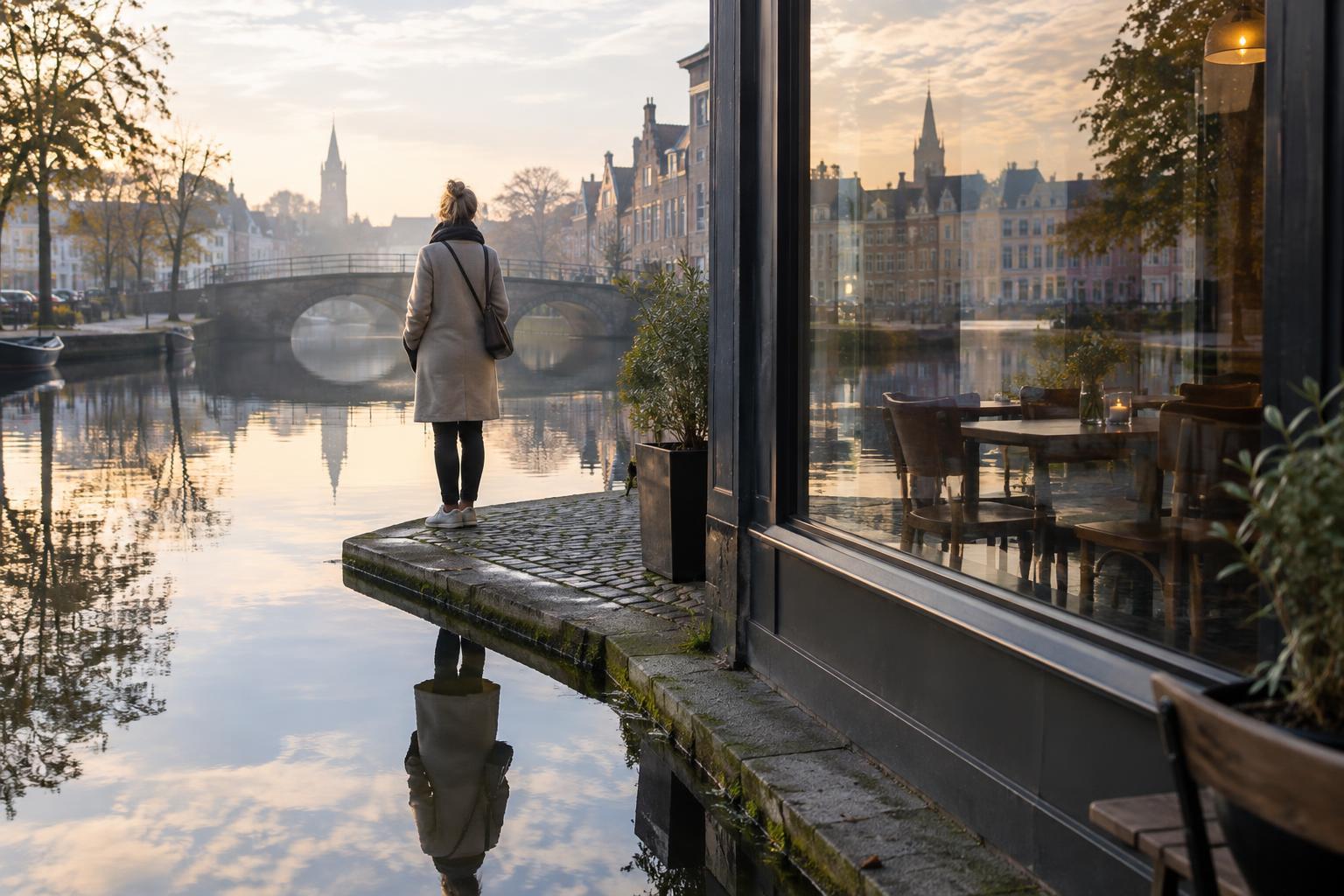
Portraits give viewers a person to recognize across a sequence. An environmental portrait, made in a relevant space, can also suggest where someone works or spends time. Pay attention to background objects, gestures and light: they may add useful context or create a misleading impression. Ask yourself whether the frame communicates something you can support, rather than something you merely assume about the person.
A posed portrait and an unposed moment can both be useful, but they convey different information. If someone looks directly into the camera, viewers may read that as a deliberate introduction. If the person is absorbed in a task, the image may say more about the task than about their relationship to the photographer. When photographing identifiable people, be clear about what you are doing and respect boundaries they communicate. Do not treat a person's willingness to be photographed as permission to imply a story they have not told.
Use activity photographs to show relationships and change
Activity photographs show actions unfolding: preparing materials, learning a technique, solving a problem or cleaning up afterward. Look for moments that make the process legible. Hands doing something can be compelling, but a wider frame may be needed to show who is involved and where the action takes place. Vary your distance so the viewer can move between an overview and a closer observation.
Avoid relying only on the most dramatic instant. A quiet exchange or a pause before a decision may explain the work better than a frame full of movement. Notice relationships as well as individual actions: who helps whom, what people share and how the setting shapes what they can do. If the meaning of an activity is not evident from the photograph, a precise caption can provide necessary information without claiming to show more than the image does.
Choose details that add context, not just atmosphere
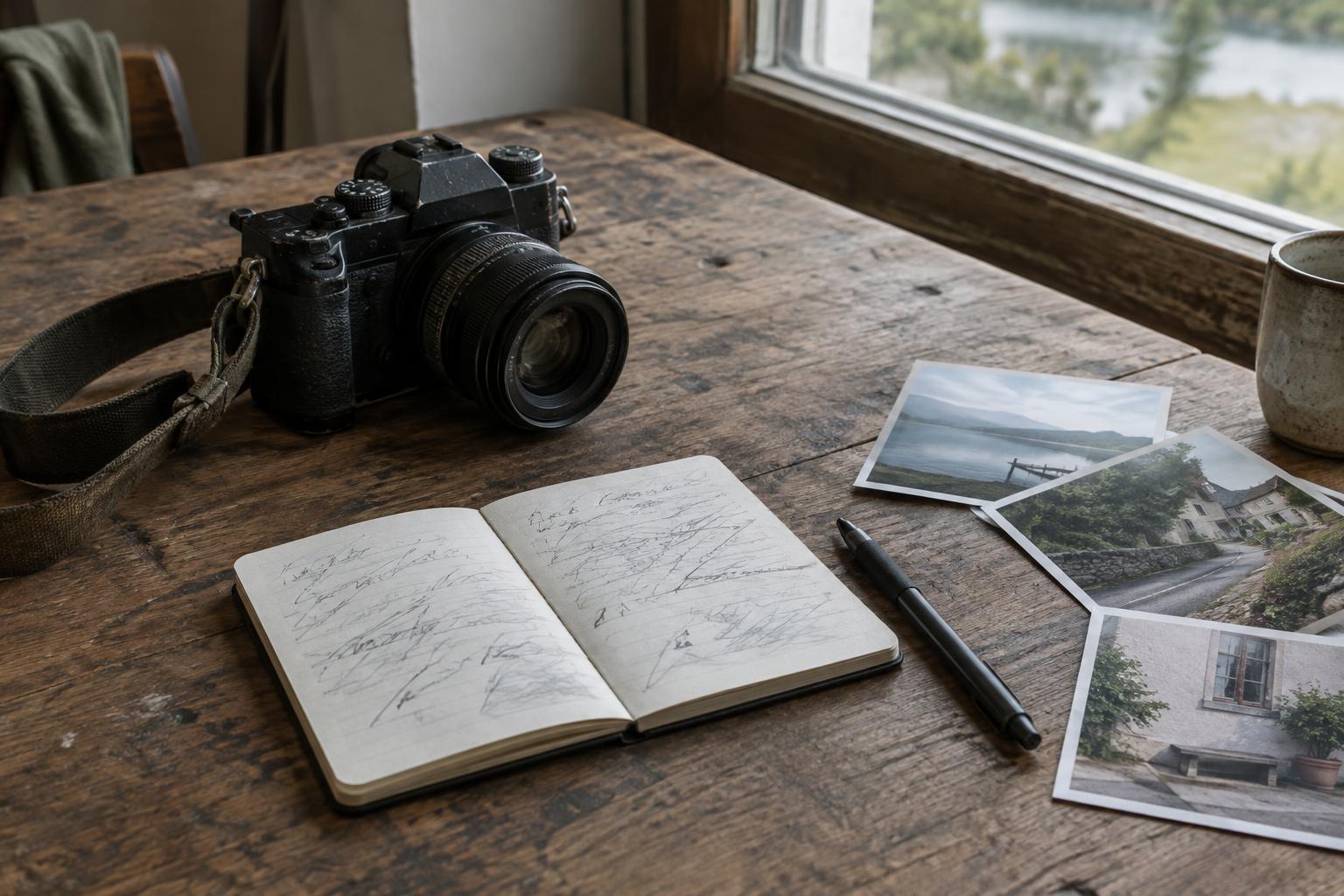
Details can slow the pace of a sequence and reward close attention. A worn tool, an annotated instruction sheet or materials arranged for the next task might help viewers understand how a place is used. A detail is most valuable when it connects to the story's question. Attractive textures and colors can strengthen the visual rhythm, but a collection of decorative close-ups may leave viewers unsure what happened or why it matters.
Context is especially important with details because a tight crop removes surrounding information. Before including one, ask what a viewer could reasonably infer from it. Could the image suggest disorder where there is simply work in progress? Could an object be mistaken for evidence of something unrelated? Where necessary, pair a detail with a wider photograph or a caption that identifies what it actually shows.
Edit the sequence for clarity and fairness
Lay out your candidate images and sort them by what they contribute, not only by how much you like them. A useful opening often establishes a person or place; middle images can develop actions and relationships; a closing image can leave the viewer with a meaningful observation. This is a flexible structure, not a formula. If several photographs make the same point, keep the one that communicates it most clearly and use the space for missing context.
Then read the sequence as a viewer with no prior knowledge. Can they tell who is present, what is happening and which details matter? Look for accidental implications created by image order, cropping or captions. A portrait placed beside an unrelated troubling detail, for instance, could suggest a connection that does not exist. The goal is not to make every photograph explain itself completely. It is to let portraits, activities and details support one another without asking any image to prove more than it shows.