Pause and identify what is being corrected
A correction can feel personal when you shared a photograph because it seemed important. Start by pausing rather than immediately defending the post or deleting every trace of it. Look at the specific claim under dispute. Is the photograph itself altered, or is a genuine image being described with the wrong place, date, subject, or event? A photograph can be authentic and still be used to support a false story.
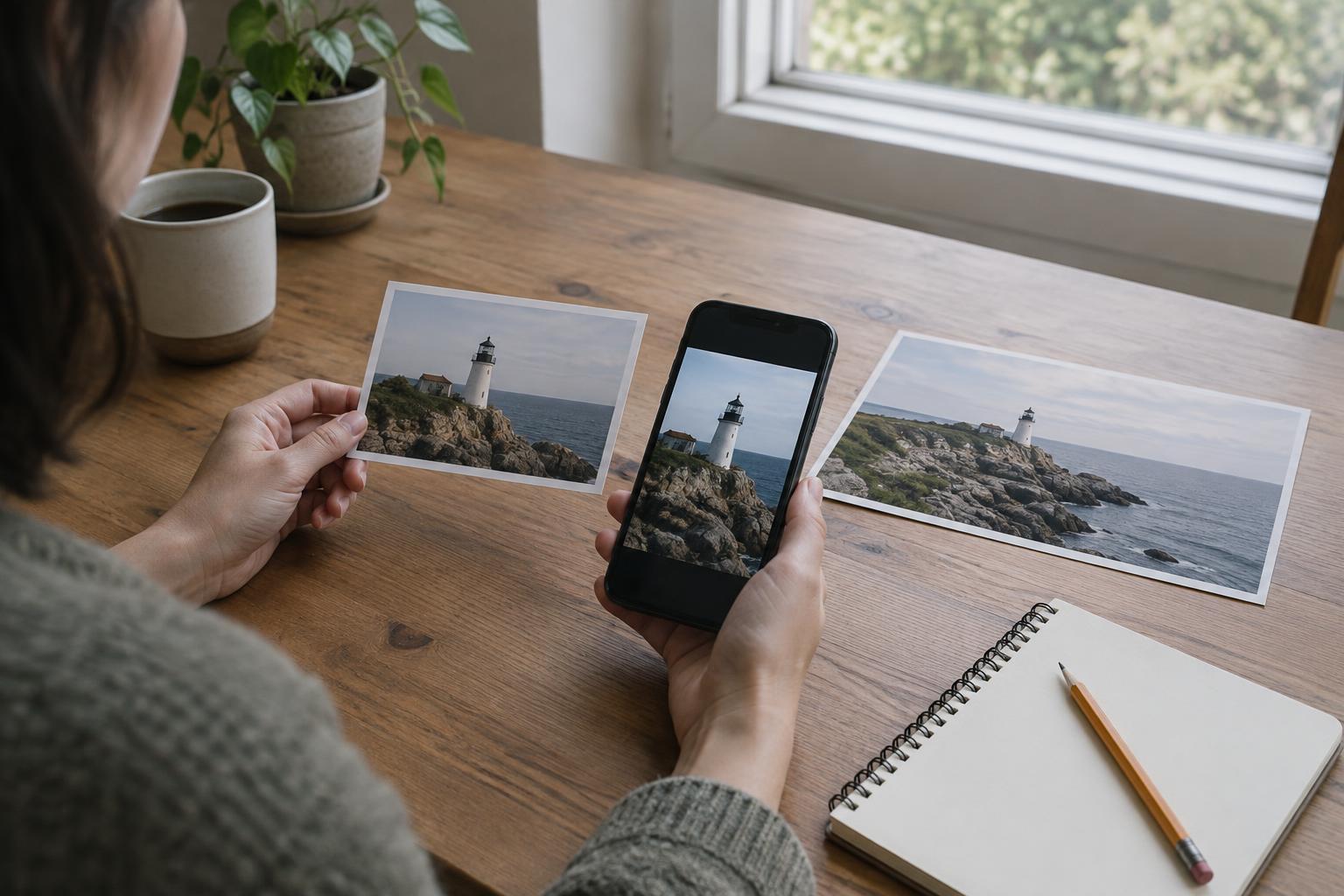
Check the correction as carefully as you should have checked the original claim. Look for the earliest available version of the image, its caption, and any explanation of how the identification was established. Compare visible details and wording rather than relying on a confident-sounding comment alone. If the evidence remains incomplete, say that the claim is disputed or unverified; do not turn uncertainty into a new assertion.
Correct the post where people encountered it
Once you understand the error, put the correction where your audience is most likely to see it. If you can edit the original post, add a clear note near the top: what you previously claimed, what is now known, and what remains uncertain. Keep the wording direct. “I shared this as a photograph of one event, but it depicts a different event” is more useful than a vague “update.” Where appropriate, link to the material that helped you verify the correction.
If editing is not possible, reply to the original post and publish a separate correction. If you shared the image in a group, message, newsletter, or story, correct it through that channel too when practical. Avoid reposting the misleading photograph without a prominent explanation: people may see the image without reading the correction. For a widely shared post, consider removing the misleading version after posting a correction that explains why it was removed. Deleting it without explanation may leave people who remember the claim unaware that it was wrong.
Reach the people who may have repeated it
Your original post may have traveled farther than your correction. If you know that friends, colleagues, or other accounts reshared it, contact them politely with a short, reusable explanation. Ask them to update their own captions or posts rather than simply passing along your correction as a new, disconnected message. You cannot reach everyone, but you can make accurate information easy for the people you can reach to pass on.
Match the effort to the likely harm. A mistaken caption on a low-visibility image still merits a correction; a photograph that wrongly identifies a person, depicts a traumatic event, or makes an accusation calls for greater care and urgency. Do not repeat an unverified name or expose someone’s private details while trying to set the record straight. If a platform offers a way to flag misleading context, that may be useful alongside your own correction.
Explain the mistake without making excuses
A brief account of how the error happened can help others recognize the same trap. Perhaps the image arrived without its original caption, a crop removed relevant context, or a familiar-looking setting seemed to confirm a claim. State what you observed, what you assumed, and which part proved unreliable. This is more informative than blaming an algorithm or the person who sent you the picture.
Keep the focus on what readers need to know now. You do not need to perform certainty about every detail of the photograph’s history. If you can establish only that the original caption was unsupported, say so. If new evidence later changes your understanding, update the correction again. Treating corrections as part of responsible publishing, rather than as a contest to win, makes it easier to be precise.
Build a pause into your next share
Before sharing another striking photograph, separate what you can see from what a caption asks you to believe. An image may show smoke, a crowd, or a damaged building; it may not reveal when the scene occurred, who caused it, or why. Look for the image’s original context, compare independent descriptions when available, and be cautious with screenshots that omit a photographer, caption, or link to the source.
You do not need to solve every mystery before deciding what to do. If a claim matters but you cannot check it adequately, wait, share a carefully worded question without the image, or choose not to post. When you do share, describe your level of confidence accurately. The habit is simple: slow down before publication, and be just as visible when you correct a mistake as you were when you made it.