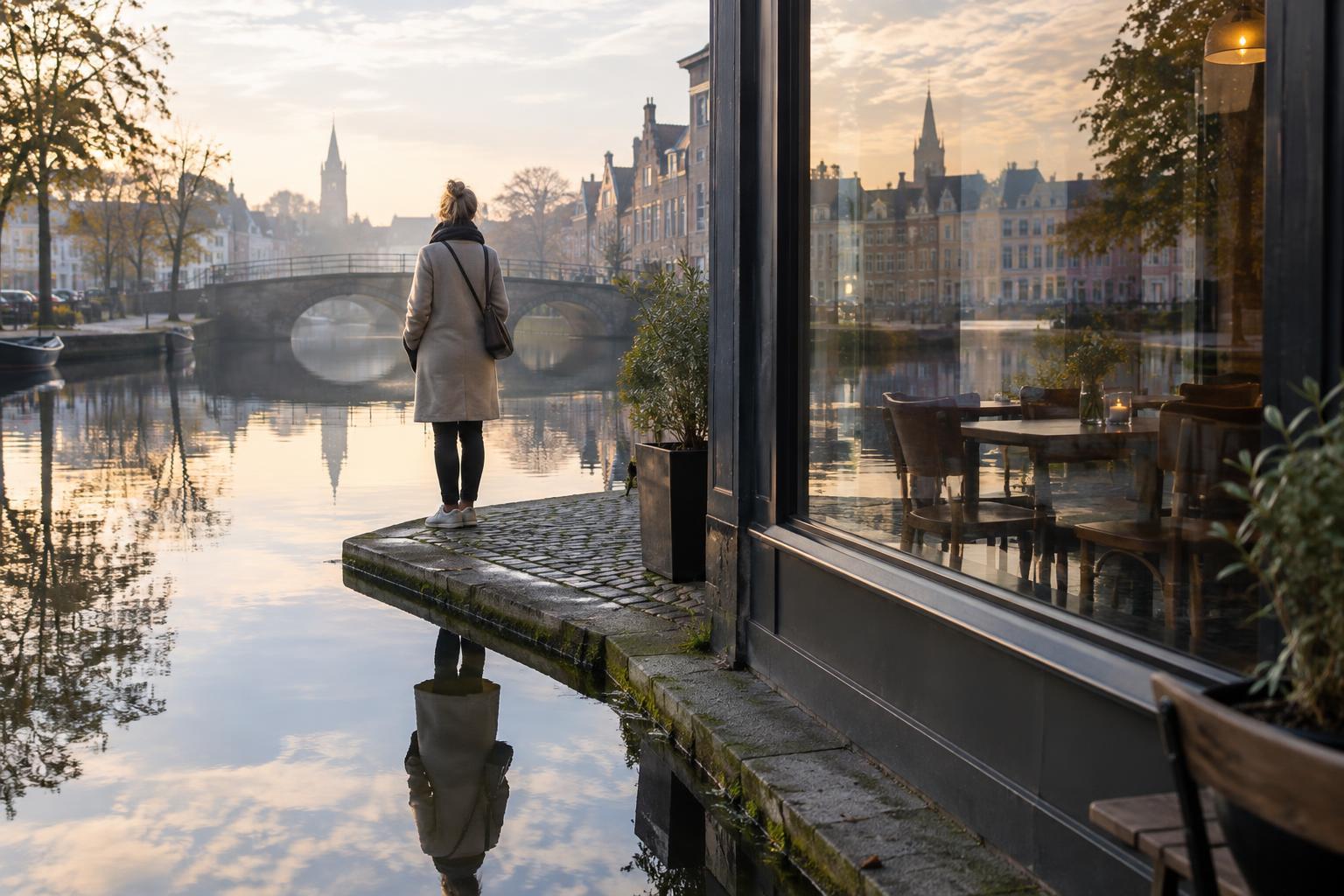
A photograph shows a moment, not its full meaning
A single photograph can make a situation feel immediate. It can show a person’s expression, a physical detail or the relationship between subjects in a frame. That strength is also a limitation: the viewer sees what happened within the camera’s view at one moment, not necessarily what led up to it, what followed or how the people pictured understand it.
Imagine a photograph of someone standing alone outside a closed building. The image may communicate isolation, but it does not establish why the person is there or why the building is closed. A viewer might form a plausible explanation that turns out to be wrong. Documentary storytelling begins by separating what the photograph visibly supports from what requires additional context.
This does not make individual images unimportant. One frame may be the clearest entry point to a larger story. The question is whether the story asks that frame to carry more meaning than it can reliably hold.
Build a sequence that answers different questions
When a situation has several parts, plan photographs with different jobs. An establishing image can show the setting. A closer frame can reveal an action or detail. Images of people participating in different ways may complicate a first impression. A photograph made later can show change, continuity or the result of an earlier action. Together, these pictures can help a viewer move beyond the most striking instant.
Before selecting images, write down the questions a viewer might reasonably ask: Where is this happening? Who is affected? What activity is visible? What cannot be learned by looking? Then assess which questions photographs can answer and which need words or cannot yet be answered. This is more useful than collecting several images that all repeat the same dramatic point.
Variety does not require a rigid shot list. A quiet detail may explain a process better than a wide view, while a wide view may prevent a close-up from implying that one person’s experience is universal. Choose each frame for the information it contributes, not just for how strongly it competes for attention.
Use captions to connect evidence and context
A caption should identify what is relevant and verifiable, while making clear where interpretation begins. It may explain who or what appears in the image, what activity is taking place and why the moment matters to the sequence. It should not assign thoughts, motives or emotions to a subject solely from appearance. “A person waits beside the entrance” describes an observable action; the reason for waiting would need separate confirmation.
Sometimes the most valuable context is a boundary: the photograph shows one location, one stage of a process or one person’s experience. If the broader situation remains uncertain, say so rather than allowing a confident caption to fill the gap. Words can also explain necessary information that cannot be photographed, provided that information has been established independently of the image.
Read captions alongside the photographs, not as an afterthought. A caption can correct a likely misunderstanding, but it cannot undo every impression created by a misleading crop or sequence. Images and text should support the same careful account.
Consider how framing affects the people pictured
Complex situations are often easiest to photograph at their most visible or emotionally intense. Repeatedly choosing only those moments can flatten people into symbols of hardship, conflict or need. Look for opportunities to show subjects acting, deciding, working, resting or interacting, where those moments are relevant and appropriate to photograph. A fuller portrayal can preserve complexity without pretending that every person has the same experience.
Think about consequences as well as composition. Showing someone’s face, location or private surroundings may reveal more than the story requires. Depending on the circumstances, a wider view, a different detail or leaving an image out may communicate the essential point with less risk. A visually powerful photograph is not automatically the most responsible choice.
Edit for understanding, not just impact
During editing, place the images in order and describe what a viewer could infer from them without captions. Does the opening frame establish a question or imply a conclusion? Do later frames add information, or merely reinforce the same mood? Is any essential perspective missing from the material you have? If you cannot address a gap, it may be better to narrow the story’s claim than to suggest completeness.
Check individual frames for distracting crops and the sequence for unintended cause-and-effect. Placing two photographs next to each other can imply that one event led to another, even when the images do not establish that link. Review the final selection with its captions and remove claims the combined presentation cannot support.
The goal is not to make every story exhaustive. It is to give viewers a clear path through what you can show, explain what you know and leave room for what remains unseen. One photograph may invite someone to look closer; responsible storytelling helps them understand why they should keep looking.