Start by listening, not defending the image
Documentary photographs can matter to a public story and still cause distress to the people pictured. A person may ask you not to publish an image, or to take it down after publication, because it reveals their location, misrepresents an event or exposes something they did not realize would be visible. Treat the request as information you need to evaluate, rather than as an attack on your work.
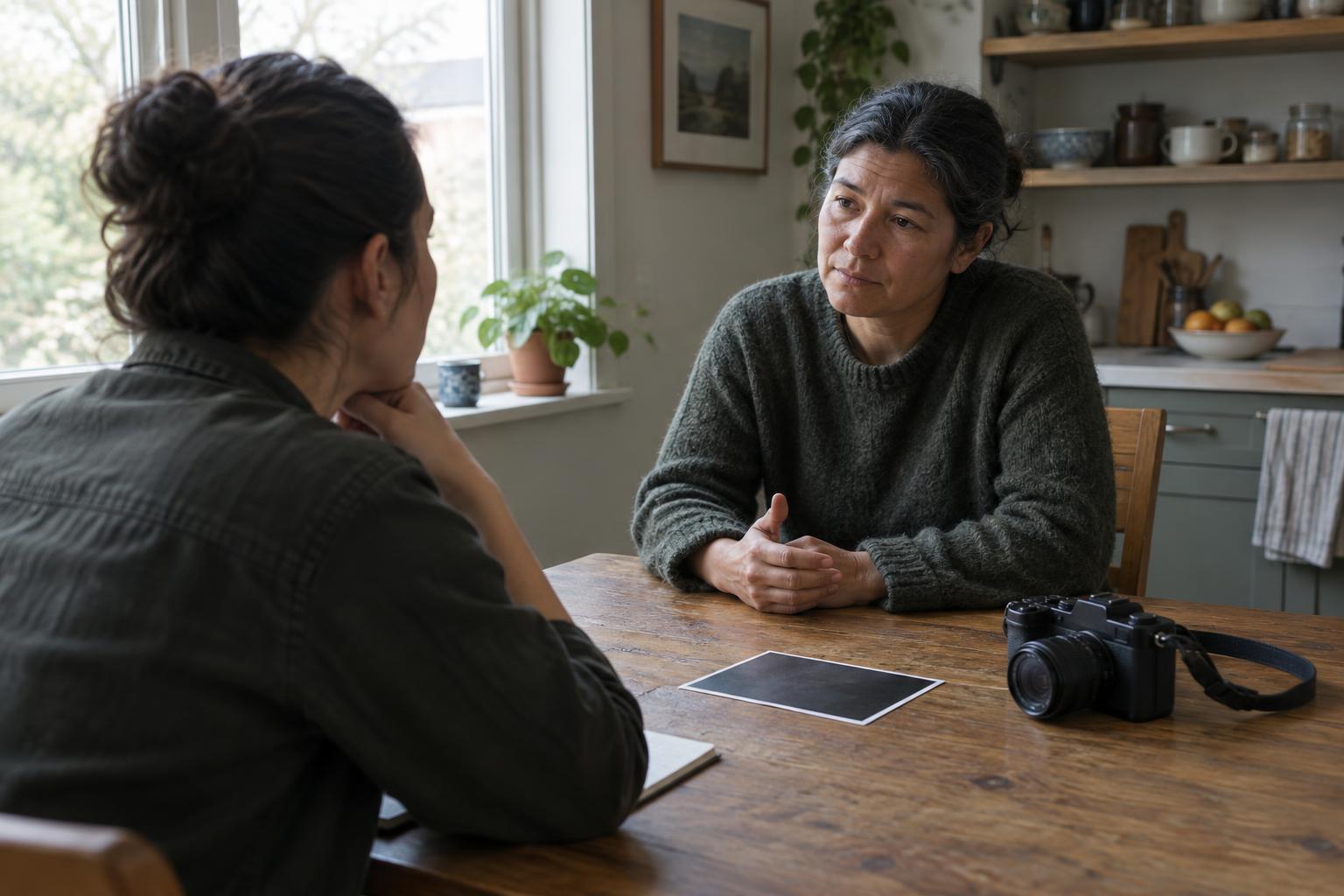
Ask which image concerns them and what outcome they want: withholding it, removing it, changing a caption, obscuring an identifying detail or limiting its use in a particular context. Listen for a specific risk, such as unwanted identification, as well as concerns about dignity or accuracy. Do not ask someone to disclose more sensitive information than you need to understand the request. If you cannot decide immediately, say when and how you will follow up without promising an outcome.
Assess the image and its context
Begin with what the photograph actually shows, where it was made and how it was presented. Was the person central to the story or incidentally visible? Could they reasonably have understood that they were being photographed for publication? A public setting may affect expectations, but it does not erase questions about safety, fairness or the consequences of widespread sharing.
Look beyond the frame. A caption, sequence of images or accompanying text can imply something the photograph alone does not establish. An accurate image paired with a misleading description may call for a correction rather than removal. Conversely, a photograph that seems innocuous to an unfamiliar viewer may reveal a person’s identity, workplace, routine or relationships to someone who knows them.
Consider the image’s documentary value alongside the potential harm. Ask what readers would lose if you withheld it and whether another photograph could communicate the same essential information. Give particular care to images involving children, people in vulnerable circumstances, private moments or people whose safety may be affected by identification. The fact that an image is visually strong is not, by itself, a reason to publish it.
Choose a response that fits the problem
Before publication, options include holding the image while you check a concern, selecting a different frame, changing the crop, removing identifying details or deciding that the image should not run. Any edit should preserve the truth of what the remaining image appears to show. If an alteration could mislead viewers, a different photograph or no photograph may be the better choice.
After publication, the choices may differ. You might correct a caption, add relevant context, replace an image, restrict a particular reuse or remove the photograph. Consider whether leaving the original online continues a meaningful risk. Also consider whether an unexplained removal would make the published story confusing. When appropriate, a brief editor’s note can make a substantive change understandable without repeating the sensitive detail that prompted it.
Removal from your own site may not remove copies, screenshots, social posts or versions held by other publishers. Be honest about what you control. If you have shared the image with collaborators, identify which uses you can ask them to change; do not promise that every copy will disappear.
Make the decision accountable
Write down the request, the relevant facts you checked, the alternatives considered and the reason for your decision. Keep that record limited to what is necessary and handle sensitive details carefully. If you work with an editor, bring them into the decision, especially when the image is central to the story or the request raises a serious safety concern.
Explain the decision to the requester in plain language. You can acknowledge the impact of publication without agreeing that every concern requires removal. If you decline a request, say why and leave room to review new information. If you agree to a change, describe what you will do and avoid suggesting you can control uses outside your reach. Where rights, privacy rules or formal complaints are involved, seek advice from an appropriate qualified person rather than treating an editorial checklist as legal guidance.
Build the question into your workflow
The best time to consider a removal request is often before one arrives. During editing, ask whose circumstances might change when an image becomes searchable, shareable or detached from its original story. Check captions for unsupported implications, and decide which images need a more careful review before publication.
A consistent process makes it easier to respond fairly without treating every request as identical. Listen, verify, weigh the documentary purpose against possible harm, choose a proportionate action and record the reasoning. Responsible documentary practice protects the integrity of the record while remaining open to the people who live with its consequences.